


Changes in vaginal comfort, tissue elasticity, and intimate wellness can occur at different stages of life. Laser Vaginal Tightening in Dubai is a treatment option some women explore when experiencing vaginal laxity or changes in tissue quality, although its suitability depends on individual needs and clinical assessment. Dynamic Clinic in Dubai provides an informational starting point for understanding this procedure, its potential role, and the factors women should consider before seeking treatment.
What Is Laser Vaginal Tightening?
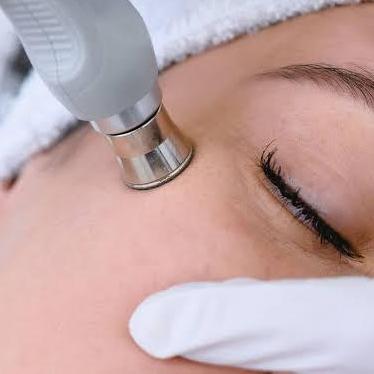
Laser vaginal tightening is a non-surgical procedure that uses controlled laser energy to heat targeted vaginal tissue. The aim is to stimulate collagen remodeling, a natural process associated with tissue structure and elasticity. Depending on the device, treatment may target the vaginal lining or surrounding tissue.
Unlike surgical vaginal rejuvenation, laser procedures generally do not involve incisions or the removal of tissue. However, the treatment is not suitable for everyone, and evidence supporting its effectiveness for vaginal laxity and related symptoms remains limited. Women should understand both the proposed benefits and the uncertainties before making a decision.
When Do Women Typically Consider This Treatment?
There is no single age or life stage at which laser vaginal tightening becomes necessary. Women may ask about the procedure when they notice changes that affect their comfort or quality of life.
Common reasons for seeking a consultation include:
-
Perceived vaginal laxity: Some women report a change in vaginal firmness or sensation, particularly after childbirth or with age.
-
Changes following childbirth: Pregnancy and vaginal delivery can affect the pelvic floor muscles and supporting tissues.
-
Menopause-related symptoms: Declining oestrogen levels may contribute to vaginal dryness, irritation, and reduced tissue elasticity.
-
Intimate discomfort: Some women seek advice when changes in vaginal comfort affect sexual activity or daily routines.
-
Concerns about tissue health: Women may explore available options after noticing changes in vaginal tissue, although the cause needs to be assessed first.
These concerns do not automatically mean laser treatment is appropriate. A qualified healthcare professional can help identify the underlying issue and explain evidence-based options.
How Can Childbirth Influence the Decision?
Pregnancy and childbirth can place pressure on the pelvic floor, which supports the bladder, uterus, and bowel. Vaginal delivery may stretch pelvic floor muscles and surrounding tissues, sometimes contributing to a feeling of reduced support or changes in sexual sensation.
Women who notice these changes after childbirth may consider different treatment options. However, recovery varies, and symptoms can improve naturally over time. Pelvic floor muscle training, often guided by a specialist physiotherapist, may help address certain pelvic floor concerns.
Persistent heaviness, a vaginal bulge, urinary leakage, or difficulty controlling bowel movements should prompt a medical assessment. These symptoms may indicate pelvic floor dysfunction or pelvic organ prolapse, which requires appropriate evaluation rather than an assumption that vaginal tightening is the answer.
Is Laser Vaginal Tightening Considered During Menopause?
Menopause can affect vaginal and urinary health because lower oestrogen levels may cause the vaginal tissues to become thinner, drier, and less elastic. These changes are often associated with genitourinary syndrome of menopause (GSM), a condition that can cause dryness, burning, irritation, and discomfort during sexual activity.
Although laser vaginal procedures are sometimes marketed for menopause-related symptoms, they should not be treated as an established first-line solution. Evidence of long-term safety and effectiveness remains insufficient for several advertised uses.
Depending on the symptoms and medical history, a clinician may discuss vaginal moisturisers, lubricants, local hormonal treatments, or other appropriate therapies. The choice depends on the diagnosis, personal preferences, and any relevant medical considerations.
What Should Be Checked Before Treatment?
A consultation helps determine whether the reported symptoms are likely to respond to the proposed procedure or require a different approach. It should include a discussion of medical history, childbirth experiences, menopause status, current symptoms, and previous treatments.
Before proceeding, women should ask about:
-
The specific condition the procedure is intended to address.
-
The evidence supporting the device and its proposed use.
-
Possible side effects, including burns, pain, scarring, and changes in sensation.
-
Expected recovery, follow-up care, and the possibility that symptoms may persist.
-
Alternative treatments with stronger evidence for the diagnosed condition.
A clinician should also assess symptoms such as unusual vaginal discharge, bleeding, persistent pain, or recurrent urinary problems before considering a cosmetic or energy-based procedure.
Are There Alternatives to Laser Vaginal Tightening?
The most appropriate treatment depends on what is causing the concern. Options may include pelvic floor physiotherapy, targeted exercises, vaginal moisturisers, lubricants, or prescribed treatments for menopause-related tissue changes. Pelvic organ prolapse and other structural concerns may require a specialist assessment and a different management plan.
Laser treatment should not replace established care when a recognised medical condition is present. Women should also be cautious of claims promising permanent tightening, guaranteed improvement in sexual satisfaction, or freedom from side effects.
Conclusion
Laser vaginal tightening is typically considered when women notice changes in vaginal sensation, perceived laxity, or tissue comfort after childbirth, with ageing, or around menopause. However, these symptoms can have different causes, and not all are best managed with laser treatment. An individual medical assessment, a clear understanding of the available evidence, and consideration of established alternatives can help women make informed decisions about vaginal and pelvic health.
