


The Role of Tooling Accuracy in Product Quality and Production Efficiency
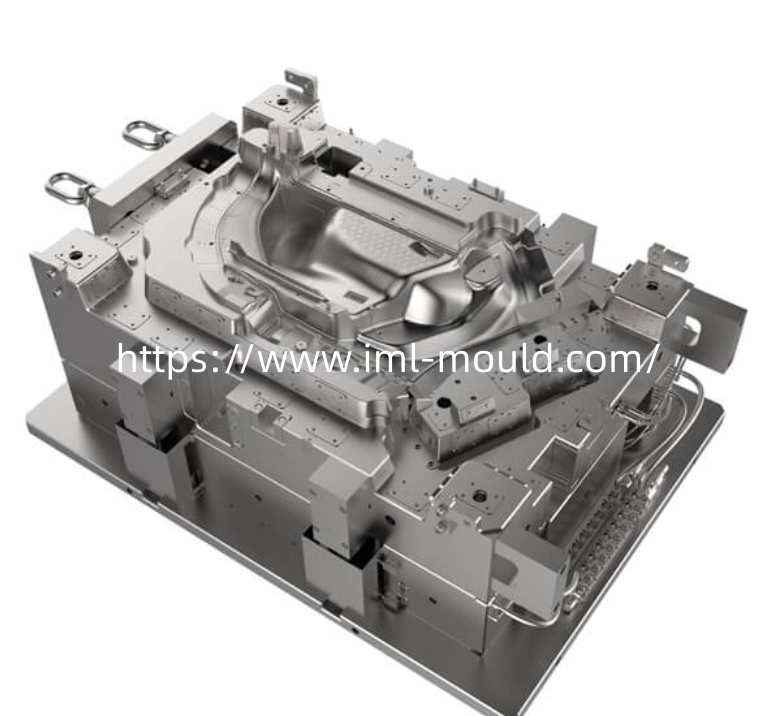
Modern manufacturing requires tooling that can reproduce product details consistently while supporting efficient production and dependable quality control. A Precision Mould helps manufacturers form components according to defined design requirements, making its construction, cavity geometry, material selection, and maintenance accessibility important considerations during product development. The quality of the tooling affects more than the shape of an individual part; it can also influence surface appearance, production stability, assembly compatibility, and the effort required to maintain consistent results. Understanding these relationships helps manufacturers evaluate tooling as an essential part of their wider production system.
The material used to construct a mould should match the demands of the intended manufacturing process. Tool steels are commonly selected for their strength, wear resistance, and suitability for detailed machining and surface treatment. Different grades offer different properties, so the appropriate choice depends on the moulding material, part geometry, production environment, and maintenance expectations. Aluminum alloys may be considered for certain applications where their machining characteristics and intended service conditions make them suitable. Buyers should discuss these choices with the manufacturer rather than assuming that one tooling material is appropriate for every project.
Material quality must also be considered alongside the finished surface and the mould's internal construction. Cavities may include curved contours, narrow transitions, textured areas, or intricate details that require controlled machining and careful polishing. The selected material should support the required finishing process and retain suitable characteristics during repeated production. Surface treatment may also be relevant when the application involves particular wear or corrosion concerns. Discussing the relationship between material, finishing, and operating conditions can help manufacturers establish realistic expectations for durability and maintenance.
Selecting a suitable mould begins with defining the finished product clearly. Buyers should provide drawings, digital models, samples where available, material requirements, and information about the intended production process. They should also identify the product's functional surfaces, appearance requirements, assembly interfaces, and any features that require special attention during manufacturing. A component intended for consumer use may have different priorities from one designed for industrial equipment or an internal mechanical assembly. A detailed project brief gives the tooling supplier a stronger basis for evaluating manufacturability, identifying potential design conflicts, and proposing appropriate construction methods.
Technical functionality depends on how the mould's different systems work together. Cavity geometry determines the shape of the finished component, while the parting line influences how the mould opens and how seams may appear on the product. In injection moulding, gates, runners, vents, and cooling channels affect material flow, air removal, heat distribution, and the conditions for releasing the part. These elements require coordinated engineering because a change in one area may influence another. Suitable draft angles and carefully designed transitions can also support demoulding and reduce the risk of damage to delicate features during production.
Manufacturing accuracy and quality verification are equally important. Machining, fitting, alignment, and surface finishing all contribute to how well the mould performs as an integrated tool. Before regular production begins, trial runs can reveal potential concerns involving filling, deformation, dimensional consistency, surface defects, or part removal. Manufacturers can review the resulting samples against the approved design and determine whether adjustments are necessary. Clear records of inspections and engineering changes help teams communicate effectively and provide a reference for future maintenance or product revisions.
Operator experience influences how conveniently tooling can be used throughout its working life. Moulds that provide practical access to inspection points and serviceable components can simplify cleaning and routine maintenance. Clearly organized components may also help technicians identify areas requiring attention without unnecessary disassembly. When a facility operates multiple moulds, convenient handling, storage, and identification can support production scheduling and reduce confusion during changeovers. Maintenance planning should reflect the manufacturer's instructions and the conditions under which the tool operates, helping teams address wear or contamination before these issues disrupt production.
The mould's physical design is closely connected to the appearance and function of the finished product. Cavity contours, surface textures, edge transitions, and parting arrangements influence how the component looks and fits with other parts. A polished cavity may be appropriate for products requiring a smooth finish, while a textured surface may serve functional or visual purposes in other applications. These decisions should be established early because changing a surface or geometric feature after tooling construction can require additional engineering work. Close cooperation between product designers and mould engineers helps balance visual expectations with practical manufacturing requirements.
For manufacturers developing new products or refining established production processes, communication with a tooling supplier can help translate design goals into a workable manufacturing plan. Ningbo Hengqi Precision Mould Co., Ltd. offers a point of contact for businesses exploring mould manufacturing and product-specific tooling requirements. Buyers can share product drawings, material preferences, surface expectations, intended production methods, and maintenance considerations to support a clear technical discussion. To explore the company's mould-related offerings and learn more about its services, visit https://www.iml-mould.com/ and contact the company to discuss your project requirements.

 Bangla