


How Tajmeels Clinic Evaluates Nose Shape and Facial Proportions Before Rhinoplasty
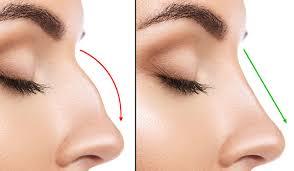
Rhinoplasty is a surgical procedure that changes the shape, structure, or proportions of the nose. Before considering surgery, patients need an assessment that considers not only the nose itself but also its relationship with the forehead, cheeks, lips, and chin. Careful evaluation helps establish realistic expectations and supports a treatment plan based on individual anatomy.
For people considering Rhinoplasty in Dubai, understanding the assessment process can make the consultation more informative. It also helps patients understand why the same surgical approach may not be suitable for everyone.
Why Nose Shape and Facial Proportions Matter
The nose occupies a central position on the face, so even subtle changes can influence overall facial appearance. However, an attractive result does not necessarily mean creating a smaller or straighter nose. The objective is to consider how the nose fits with the patient's natural features.
During a rhinoplasty assessment, the nasal bridge, tip, nostrils, and overall width may be examined. The clinician may also evaluate facial symmetry and the relationship between the nose and surrounding structures.
For example, a prominent nasal bridge may appear different depending on forehead shape and chin projection. Similarly, changing the nasal tip requires consideration of its support, rotation, and relationship with the upper lip.
These factors help guide discussions about possible improvements while respecting each patient's natural anatomy.
Evaluating Different Nose Shapes and Features
Every nose has a distinct structure. Rhinoplasty planning therefore begins with understanding the features that concern the patient and determining which changes may be appropriate.
Nasal Bridge and Profile
The nasal bridge is assessed from the front and side. The evaluation may identify a prominent hump, a low bridge, or irregularities in the nasal profile. The clinician considers how the bridge relates to the forehead and the rest of the face.
Nasal Tip Shape and Projection
The nasal tip can be rounded, broad, narrow, drooping, or asymmetrical. Its projection and rotation are important considerations because excessive changes may affect both appearance and structural support.
Nose Width and Nostril Shape
The width of the nose and the shape of the nostrils are also considered. Some patients are concerned about a broad nasal base, while others notice differences between the two sides. Any proposed adjustment should account for natural proportions and the potential effect on nasal function.
Facial Symmetry
Perfect facial symmetry is uncommon. The clinician examines how the nose sits within the overall facial structure and whether existing asymmetry may influence the expected outcome.
Assessing Facial Proportions Before Surgery
A comprehensive rhinoplasty evaluation considers more than individual nasal features. Facial proportions help establish whether a proposed change is likely to complement the patient's appearance.
The forehead, cheeks, lips, chin, and jawline may be considered during the assessment. For instance, chin projection can influence how prominent the nose appears in profile. Understanding this relationship helps prevent unrealistic expectations about what nose surgery alone can achieve.
Skin thickness is another important factor. Thicker skin may make subtle changes to the nasal tip less visible, while thinner skin can reveal minor irregularities in the underlying structure. Cartilage strength and existing nasal anatomy may also affect surgical planning.
Photographs from different angles may support the discussion by helping patients and clinicians review specific features. Digital simulations, when used, can illustrate possible directions but cannot guarantee an exact surgical result.
Understanding Nasal Function and Medical History
Rhinoplasty is not solely an aesthetic procedure. Nasal structure can affect airflow, and some patients have concerns about breathing, previous injuries, or earlier nasal surgery.
A preoperative evaluation may include questions about nasal congestion, breathing difficulties, allergies, medications, previous procedures, and relevant medical conditions. Depending on the patient's symptoms, an examination of the internal nasal structures may be appropriate.
This assessment is important because changes to the nasal framework can influence airflow and structural stability. When functional concerns are present, they should be considered alongside aesthetic goals.
Patients should share their medical history openly and discuss any medications or supplements they use. The suitability of surgery depends on individual circumstances, and additional assessment may be needed before a decision is made.
Setting Realistic Rhinoplasty Goals
A successful consultation includes a clear discussion of what surgery may and may not achieve. Patients often arrive with reference photographs or specific concerns about their nose. These can help explain their preferences, but another person's result may not be achievable because anatomy, skin characteristics, and healing responses differ.
The clinician should explain potential limitations, risks, recovery expectations, and the possibility that the final appearance may differ from initial projections. Rhinoplasty involves risks such as bleeding, infection, persistent swelling, asymmetry, changes in sensation, breathing difficulties, and the possible need for revision surgery.
Patients should have sufficient time to ask questions and make an informed decision. Surgery should not be planned around unrealistic expectations or pressure to achieve a particular appearance.
Rhinoplasty Assessment at Tajmeels Clinic
At tajmeels clinic dubai, patients considering rhinoplasty can discuss their aesthetic concerns, facial proportions, and treatment expectations during a consultation. An individualized assessment should consider the nasal bridge, tip, width, facial balance, and relevant medical history, while identifying whether functional concerns require further evaluation.
The consultation is an opportunity to understand the available options, discuss the limitations of surgery, and clarify recovery requirements. Patients should also ask about the proposed surgical approach, potential complications, follow-up arrangements, and the qualifications of the treating surgeon. The final plan should be based on an appropriate clinical examination and the patient's individual needs rather than a standard nose shape.
What Happens After the Initial Evaluation?
Once the assessment is complete, the next steps depend on the patient's anatomy, health, and goals. The clinician may recommend further examination, discuss suitable surgical techniques, or explain why a requested change may not be advisable.
If surgery is considered appropriate, patients should receive information about preparation, anaesthesia, recovery, and follow-up care. Swelling can take time to settle, and the nose may continue to refine over several months or longer. Final results cannot be judged immediately after surgery.
A careful evaluation of nose shape and facial proportions provides an important foundation for informed rhinoplasty planning. By considering appearance, nasal function, medical history, and realistic expectations together, patients can make more confident decisions about whether rhinoplasty in Dubai is appropriate for them.
More Information
Tajmeels Clinic Dubai
WhatsApp: +971 56 203 8751
Phone: tel:+971 43739000
Social Media:

 Bangla