

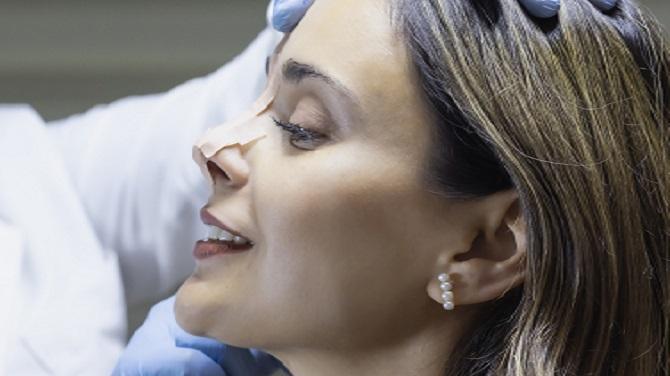

Choosing a clinic for a nose reshaping procedure requires careful research, realistic expectations, and an understanding of medical safety. Rhinoplasty can change the shape, size, or proportions of the nose and may also address certain structural concerns that affect breathing. Because the nose is an important facial feature, selecting a qualified surgeon and an appropriate medical facility is essential.
For anyone considering Rhinoplasty in Islamabad, comparing clinics based on professional qualifications, consultation quality, surgical planning, and aftercare can make the decision more informed. Rather than relying only on advertisements or online ratings, patients should look for reliable information that supports their personal needs.
Understand What Rhinoplasty Involves
Rhinoplasty is a surgical procedure designed to alter the external shape of the nose and, when appropriate, address internal structural concerns. People may consider it to refine the nasal tip, adjust a nasal hump, improve symmetry, or discuss breathing-related issues.
Before researching clinics, identify your main goals. Understanding what you want to discuss during a consultation will help you evaluate whether a surgeon's approach is appropriate.
Consider these questions:
-
What changes would I like to discuss with a surgeon?
-
Am I seeking cosmetic improvement, functional correction, or both?
-
Do I understand the potential limitations and risks of surgery?
-
What recovery time might I need for work and daily activities?
Having clear priorities makes it easier to compare professional advice instead of choosing a clinic based on attractive promotional photographs.
Verify the Surgeon's Qualifications and Experience
One of the most important steps in researching rhinoplasty clinics in Islamabad is checking the surgeon's credentials. Rhinoplasty requires knowledge of nasal anatomy, facial proportions, surgical techniques, and complication management.
Look for a surgeon who has relevant recognized qualifications, appropriate registration, and specific experience performing rhinoplasty. Ask about their training and whether they regularly perform the type of procedure you are considering.
During your research, verify:
-
Medical qualifications and relevant specialist credentials.
-
Current registration with the appropriate medical regulatory authority.
-
Experience with primary rhinoplasty and, where relevant, revision procedures.
-
The surgeon's approach to managing complications.
-
Whether the surgeon personally evaluates patients and performs the operation.
Do not assume that a clinic's popularity or social media following proves surgical expertise. Professional credentials and a transparent consultation provide more meaningful information.
Review Before-and-After Photographs Carefully
Before-and-after photographs can help patients understand a surgeon's aesthetic approach. However, photographs should be reviewed critically rather than treated as a guarantee of results.
Look for examples involving patients with similar nasal structures or concerns. Check whether the images appear consistent in lighting, camera angle, facial expression, and image quality. Ask whether the photographs represent actual patients and whether the results were assessed after sufficient healing.
Remember that rhinoplasty outcomes vary according to skin thickness, cartilage structure, facial proportions, healing patterns, and the complexity of the procedure.
A responsible surgeon should explain what may realistically be achievable for your anatomy instead of promising a perfect nose or an identical result to a photograph.
Assess the Clinic's Safety Standards
A suitable rhinoplasty provider should prioritize patient safety throughout the surgical process. The clinic or surgical facility should have appropriate arrangements for anesthesia, monitoring, infection prevention, and emergency management.
Ask where the operation will take place and whether the facility is properly equipped for the procedure. You should also understand who will provide anesthesia and how complications will be managed if they arise.
Important safety considerations include:
-
Appropriate surgical facilities and infection-control procedures.
-
Qualified anesthesia professionals.
-
A clear preoperative medical assessment.
-
Instructions about medications, smoking, and other relevant health factors.
-
Emergency protocols and access to appropriate medical support.
A trustworthy provider should answer these questions clearly without making you feel uncomfortable for asking.
Evaluate the Consultation and Communication
A detailed consultation helps you determine whether a surgeon understands your concerns and provides realistic guidance. The discussion should include your medical history, nasal anatomy, desired changes, possible risks, expected recovery, and available treatment options.
Pay attention to how the surgeon communicates. Good medical guidance should be understandable, balanced, and tailored to your circumstances.
During the consultation, ask about:
-
The recommended surgical approach and why it suits your needs.
-
Possible complications, including breathing changes and the possibility of revision surgery.
-
Expected swelling and the gradual healing process.
-
Follow-up appointments and postoperative instructions.
-
Total costs and what the quoted fee includes.
Be cautious if a clinic pressures you to book immediately, guarantees a specific outcome, or dismisses questions about risks.
Compare Reviews, Costs, and Aftercare
Online reviews can help you identify patterns in patient experiences, but they should not be your only source of information. Read a range of reviews and look for details about communication, appointment management, postoperative support, and how concerns were handled.
Pricing is another factor to investigate. The lowest quote may not include every essential service, while a higher fee does not automatically indicate better care.
When comparing estimates, clarify whether the price includes:
-
The surgeon's professional fee.
-
Anesthesia and facility charges.
-
Preoperative assessments and necessary tests.
-
Follow-up appointments and routine postoperative care.
-
Any additional charges that could arise.
Aftercare is particularly important because swelling can persist for months, and the final shape of the nose may take a year or longer to become apparent. Ask how the clinic monitors recovery and whom you can contact if unexpected symptoms develop.
Research Rhinoplasty Clinics in Islamabad With a Practical Checklist
Organize your findings before making a decision. A simple comparison sheet can help you assess clinics using consistent criteria rather than emotional impressions.
Record each clinic's verified credentials, consultation experience, safety arrangements, available patient information, aftercare plan, and transparent pricing. Shortlist providers that meet your essential safety requirements, then arrange consultations to compare their recommendations.
Do not rush the decision. A qualified surgeon should respect your right to seek another opinion and allow you time to consider the benefits, risks, and alternatives.
Choosing a Clinic: The SKN Cosmetics Perspective
When researching providers, patients may also consider SKN Cosmetics in Islamabad as part of their clinic shortlist. Before proceeding with rhinoplasty, prospective patients should directly confirm the qualifications of the surgeon who would perform the procedure, the surgical facility's safety arrangements, the consultation process, and the availability of postoperative follow-up. Ask for clear explanations of expected outcomes, potential risks, and the complete treatment cost. The final decision should be based on verified professional credentials, individualized medical advice, and confidence in the care plan rather than promotional claims alone.
Frequently Asked Questions
What should I check before choosing a rhinoplasty clinic?
Verify the surgeon's qualifications, relevant experience, facility safety, consultation quality, and aftercare arrangements.
How can I verify a rhinoplasty surgeon's credentials?
Check relevant qualifications and current registration with the appropriate medical regulatory authority.
Are online reviews enough to choose a clinic?
No. Use reviews alongside credential checks, consultations, safety information, and clear treatment plans.
How long does rhinoplasty recovery take?
Initial recovery often takes weeks, but swelling and refinement can continue for a year or longer.
Should I compare rhinoplasty prices between clinics?
Yes. Compare the complete treatment cost, including surgery, anesthesia, facility fees, and follow-up care.
