


How Tajmeels Clinic Evaluates Patient Concerns About Penile Size
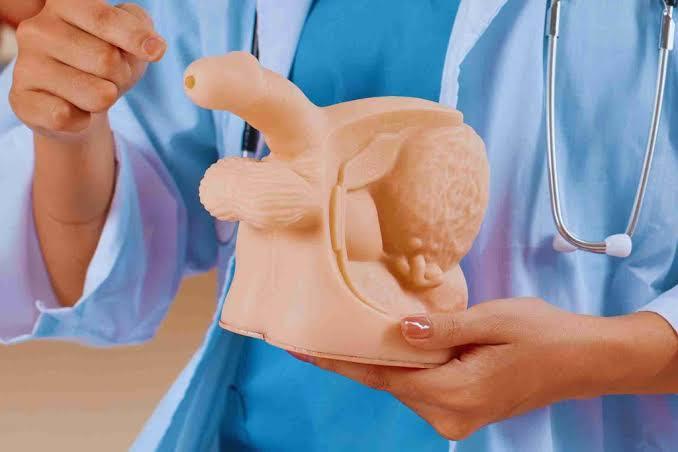
Concerns about penile size can affect confidence, body image, and intimate relationships. Men may seek information about penile enlargement because they feel their size is different from what they expect or have questions about available medical treatments. However, penile size varies naturally, and personal concerns do not always indicate a medical problem. A professional assessment can help clarify these concerns, identify relevant health factors, and explain realistic treatment options.
For men considering Penile enlargement in Dubai, understanding how a clinic evaluates their concerns is an important first step. A responsible approach focuses on individual needs, medical evidence, patient safety, and informed decision-making rather than promising specific results.
Understanding Individual Concerns About Penile Size
Every patient has different reasons for seeking a penile enlargement consultation. Some men are concerned about length, while others focus on girth, appearance, or changes they have noticed over time. Previous experiences, online information, and unrealistic comparisons can also influence perceptions of normal size.
A medical consultation provides an opportunity to discuss these concerns privately and without judgment. The healthcare professional can clarify what falls within normal anatomical variation and determine whether the concern relates to a physical finding, a change in appearance, or dissatisfaction with body image.
This distinction matters because treatment is not always necessary. Accurate information and appropriate reassurance may be more beneficial than an unnecessary procedure.
Reviewing Medical History and General Health
A thorough assessment begins with a review of the patient's medical history and general health. The healthcare professional may ask about existing medical conditions, previous surgeries, medications, allergies, and any history of genital injuries or procedures.
Questions about erectile function, pain, urinary symptoms, or changes in penile appearance may also be relevant. These details help identify conditions that require further investigation before any enlargement treatment is considered.
For example, a newly noticed change in penile shape or length may need medical evaluation rather than cosmetic treatment alone. Similarly, discomfort, curvature, or erectile difficulties may indicate an underlying condition that should be addressed separately.
Medical history also helps determine whether a proposed procedure could present additional risks. Recommendations should therefore be based on clinical findings rather than the patient's desired outcome alone.
Assessing Anatomy and Treatment Suitability
When clinically appropriate and with the patient's informed consent, a healthcare professional may conduct a physical examination to assess relevant anatomical features. Depending on the concern, this may include evaluating visible penile anatomy, skin condition, tissue characteristics, or other findings that influence treatment suitability.
The assessment should distinguish between actual anatomical measurements and perceived size. Body weight and the amount of tissue surrounding the pubic area can influence how much of the penile shaft is visible. In some cases, the appearance of a shorter penis may be related to surrounding tissue rather than reduced anatomical length.
Not every patient is suitable for penile enlargement procedures. Suitability depends on the specific treatment being considered, medical history, anatomical findings, potential complications, and the individual's expectations.
A careful evaluation helps establish whether a procedure may be appropriate or whether reassurance, further testing, or another medical approach would be more suitable.
Discussing Available Penile Enlargement Options
Penile enlargement includes different approaches that vary in their purpose, evidence, risks, and expected outcomes. A consultation should explain these differences clearly so patients can make informed decisions.
Some procedures aim to change penile girth, while others are intended to address particular anatomical concerns. Surgical interventions and injectable treatments carry different risks and should not be presented as interchangeable options. Evidence supporting permanent increases in penile length is limited for many commonly promoted methods.
Vacuum devices may temporarily increase fullness but do not reliably produce permanent enlargement. Pills, creams, and supplements marketed for penis growth generally lack convincing evidence of effectiveness and may contain undisclosed or harmful ingredients.
A responsible consultation should explain the limitations of each option, the possibility of complications, and whether the expected benefits justify the risks. Patients should never feel pressured to undergo treatment.
Setting Realistic Expectations and Explaining Risks
Realistic expectations are essential when evaluating concerns about penile size. A healthcare professional should discuss what a treatment may achieve, what it cannot achieve, and how predictable the outcome is.
Potential complications depend on the procedure and may include infection, bleeding, scarring, changes in sensation, irregular appearance, or dissatisfaction with results. Certain interventions may also affect erectile or sexual function. Some complications can require additional medical treatment.
Patients should receive information about recovery, follow-up appointments, warning signs, and any restrictions that apply after a procedure. They should also have enough time to consider the information and ask questions before consenting.
When anxiety about size is persistent or disproportionate to anatomical findings, discussing body image concerns may be helpful. This does not invalidate the patient's feelings; it supports a more complete and appropriate approach to care.
The Approach at Tajmeels Clinic
At tajmeels clinic dubai, patients considering penile enlargement in Dubai should expect their concerns to be approached through individualized discussion and appropriate medical assessment. The consultation process should establish the patient's main concerns, review relevant health information, and clarify which options may be suitable based on clinical findings.
Clear communication is important throughout this process. Patients should be able to discuss sensitive questions confidentially, understand the limitations of available treatments, and receive balanced information about possible benefits and risks.
Any recommendation should reflect the individual's health, anatomy, expectations, and informed preferences. Where a procedure is not appropriate, further evaluation or an alternative approach may be recommended. Patients should confirm the specific assessment, treatment availability, and follow-up arrangements directly with the clinic.
Preparing for a Penile Enlargement Consultation
Preparation can help make a consultation more productive. Before attending, consider writing down your main concerns and the questions you want to discuss.
Useful questions include:
-
Which treatment options are supported by medical evidence?
-
What results are realistic for my individual circumstances?
-
What are the short-term and long-term risks?
-
How long might recovery take?
-
Could treatment affect sensation, erections, or sexual function?
-
What follow-up care would be required?
Bring relevant medical information and disclose medications, allergies, and previous procedures honestly. Avoid using unverified enlargement products before seeking professional advice.
Making an Informed Decision About Penile Enlargement
Evaluating concerns about penile size requires more than selecting a procedure. It involves understanding normal anatomical variation, identifying relevant health factors, considering the evidence behind available treatments, and setting realistic expectations.
For anyone exploring penile enlargement in Dubai, an individualized medical consultation can provide clarity and help prevent unnecessary or unsafe interventions. The most appropriate decision is one that prioritizes health, safety, informed consent, and the patient's overall well-being.
More Information
Tajmeels Clinic Dubai
WhatsApp: +971 56 203 8751
Phone: tel:+971 43739000
Social Media:

 Bangla