


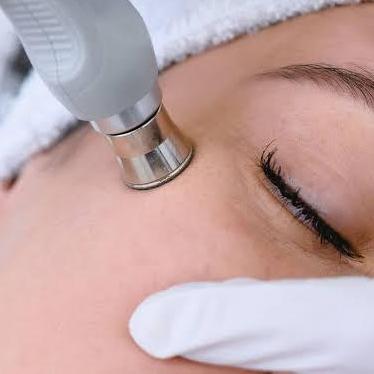
Cellulite is a common skin concern that creates a dimpled or uneven appearance, particularly around the thighs, buttocks, hips, and abdomen. People may explore Cellulite Treatment when these changes affect their confidence or when they want to understand options for improving skin texture. In Dubai, information about Cellulite Treatment in Dubai can help readers learn about available approaches, including those discussed in the context of Dynamic Clinic in Dubai.
When Does Cellulite Become a Personal Concern?
Cellulite treatment is typically considered when the appearance of dimpled skin becomes a concern for an individual. Cellulite can develop in people of different body sizes and fitness levels, so its presence does not necessarily indicate poor health, excess body fat, or an unhealthy lifestyle.
Some people notice cellulite during adolescence or early adulthood, while others observe changes as their skin and body composition change over time. The decision to explore treatment is personal and may depend on how visible the dimpling appears, which areas are affected, and whether the individual wants to understand cosmetic improvement options.
What Changes May Lead Someone to Explore Treatment?
Cellulite can become more noticeable due to several factors involving the skin, connective tissue, hormones, and fat distribution. These changes do not always occur at the same rate, and their effects vary between individuals.
Common reasons for considering treatment include:
-
More visible dimpling: Uneven skin may become easier to notice while standing, sitting, or wearing certain clothing.
-
Changes in skin firmness: Skin may appear less smooth as its elasticity changes with age.
-
Differences in body composition: Changes in muscle tone or fat distribution can influence the appearance of cellulite.
-
Persistent texture concerns: Dimpling may remain visible despite regular exercise and balanced nutrition.
-
Personal cosmetic preferences: Some individuals prefer to explore non-surgical options for improving the appearance of specific areas.
Understanding these factors helps people form realistic expectations before considering any procedure.
Is Cellulite Treatment Necessary for Everyone?
No. Cellulite is a normal and harmless feature of human skin, and treatment is not medically necessary in most cases. Its visibility varies according to genetics, skin structure, connective tissue arrangement, age, and hormonal influences.
People who are comfortable with their natural skin texture may not need to take any action. Others may wish to explore cosmetic options because they prefer a smoother appearance. Both choices are valid, and treatment decisions should reflect personal preferences rather than pressure to meet unrealistic beauty standards.
It is also important to distinguish cellulite from other skin changes. Sudden swelling, pain, redness, or a new lump should not automatically be attributed to cellulite. Such symptoms may require medical assessment to identify their cause.
How Do Skin Changes Influence Treatment Timing?
Skin texture and firmness can change gradually over time. As collagen and elastin levels decline with age, the skin may become less elastic, potentially making existing cellulite more noticeable. However, ageing is not the only factor, and younger people can also experience pronounced dimpling.
Treatment timing may depend on several considerations:
-
Skin condition: The presence of laxity, irritation, or other skin concerns may influence which approaches are appropriate.
-
Cellulite severity: Mild dimpling and deeper depressions may respond differently to cosmetic procedures.
-
Affected body area: The thighs and buttocks may require different considerations from the abdomen.
-
Previous treatments: Earlier procedures and their results can influence subsequent decisions.
-
Expected improvement: Understanding the likely degree of change helps prevent unrealistic expectations.
A gradual change in appearance does not automatically mean that a procedure is needed. Evaluating the underlying concern is more useful than choosing treatment based on age alone.
Which Cellulite Treatment Options May Be Considered?
Available approaches vary according to the type of cellulite, skin condition, and individual goals. No single method works equally well for everyone, and complete removal of cellulite cannot be guaranteed.
Options may include:
-
Lifestyle measures: Regular physical activity and balanced nutrition can support general health and muscle tone, although they may not eliminate cellulite.
-
Topical products: Certain creams may provide temporary changes in skin appearance, but their effects are usually limited.
-
Non-surgical procedures: Depending on the technique, these may use energy-based devices, massage, or other methods intended to improve skin texture.
-
Minimally invasive procedures: Selected techniques target structures beneath the skin that contribute to dimpling and require careful assessment of potential risks.
The evidence, recovery requirements, and expected duration of improvement differ between approaches. People should understand these differences before making a decision.
What Should Be Evaluated Before Starting Treatment?
A suitable assessment considers more than the visibility of cellulite. It should establish whether the concern is consistent with cellulite, identify relevant skin characteristics, and review the individual's expectations.
Important questions include:
-
Is the skin dimpling stable, or has it changed unexpectedly?
-
Is the main concern uneven texture, reduced firmness, or both?
-
Which treatment methods have evidence supporting their use for this concern?
-
What side effects, recovery needs, and limitations should be understood?
-
Is the expected improvement realistic for the individual's skin condition?
People should also disclose relevant medical conditions, medications, allergies, and previous cosmetic procedures when discussing treatment suitability with a qualified healthcare professional.
Conclusion
Cellulite treatment is typically considered when visible dimpling or uneven skin texture becomes a personal cosmetic concern. The decision depends on individual preferences, skin characteristics, treatment goals, and an understanding of potential benefits and limitations. Because cellulite is common and harmless, treatment remains optional. Learning about the causes of dimpling and comparing evidence-based approaches can help individuals make informed decisions without expecting complete or permanent removal.
