


How Does Skin Respond to Electrolysis Laser Hair Removal?
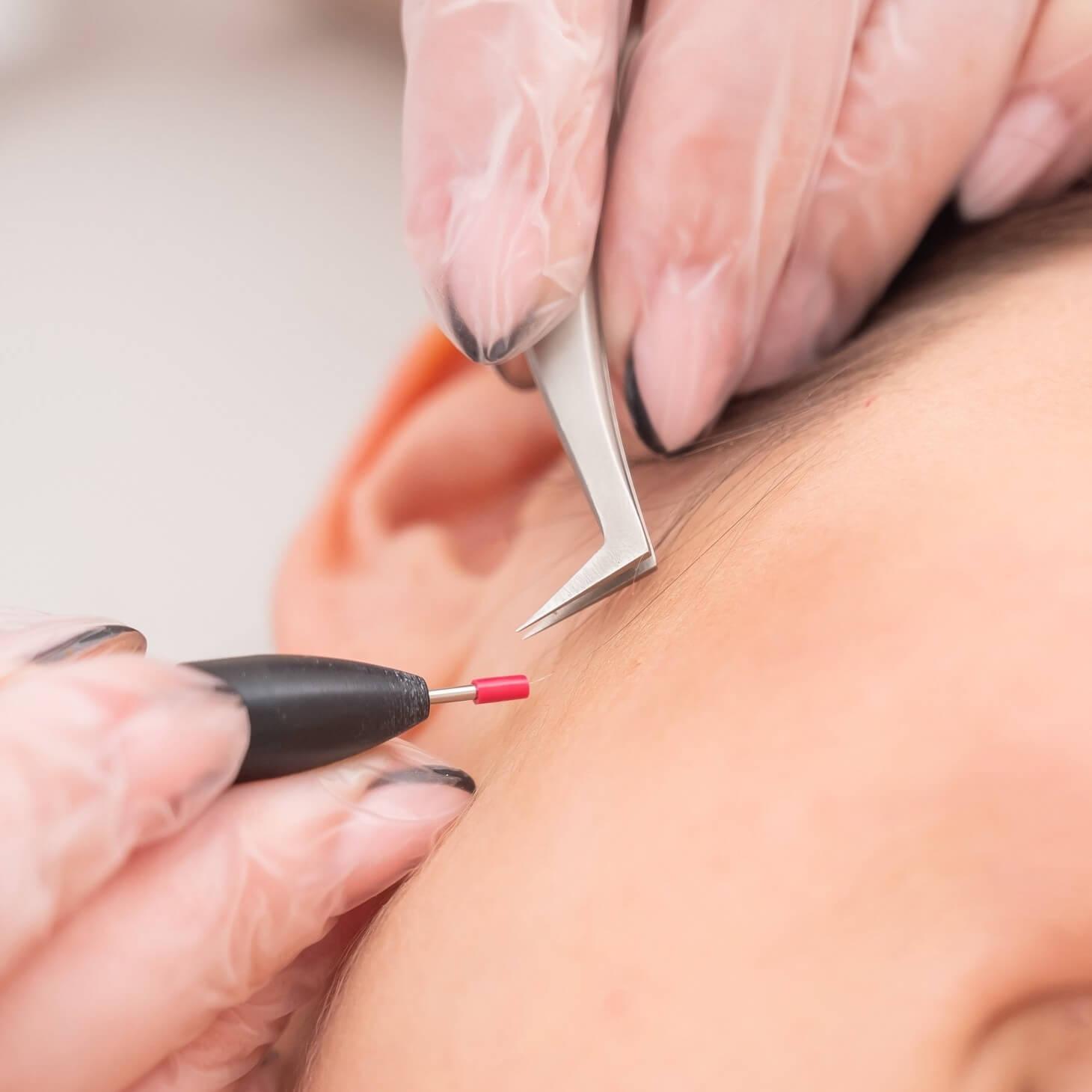
Skin response is an important factor to understand before choosing a hair removal method, as each technique affects hair follicles and surrounding tissue differently. Electrolysis Laser Hair Removal dubai is a search term used by people exploring longer-term hair reduction options, including services discussed in the context of Dynamic Clinic in Dubai. Understanding the difference between electrolysis and laser hair removal helps readers learn what changes may occur in the skin during and after treatment.
How Does Hair Removal Affect the Skin?
Hair removal treatments work by targeting hair follicles, but their mechanisms differ. Laser hair removal uses concentrated light energy absorbed by melanin, the pigment in hair. This energy produces heat that damages the follicle and reduces its ability to grow hair over time.
Electrolysis uses a fine probe inserted into an individual hair follicle to deliver an electrical current. This current damages the tissue responsible for hair growth. Because electrolysis treats follicles one at a time, it works differently from laser-based methods, which can treat a larger area during a session.
Both methods can cause temporary skin reactions. The type and intensity of these reactions depend on skin sensitivity, hair characteristics, treatment settings, and aftercare.
What Happens to the Skin During Treatment?
During laser hair removal, the skin may feel warm, similar to a mild snapping sensation. The surrounding skin can develop temporary redness or slight swelling around the hair follicles. These effects are often short-lived as the skin begins its natural recovery process.
During electrolysis, the treated follicle may experience localized irritation. Small areas of redness or swelling can appear where individual hairs have been treated. Since electrolysis involves direct access to each follicle, careful technique and appropriate hygiene are important.
Common temporary reactions include:
-
Mild redness around treated follicles
-
Slight swelling or tenderness
-
A warm or sensitive feeling in the treatment area
-
Temporary irritation that improves as the skin recovers
The degree of discomfort varies from person to person. More pronounced pain, blistering, or persistent inflammation should not be considered a normal response and may require medical assessment.
How Does Skin Recover After Hair Removal?
Skin recovery depends on the treatment method, the area treated, and the individual's natural healing response. After laser hair removal, mild redness and follicular swelling may settle within hours to a few days. Electrolysis can produce small crusts or scabs at treated follicles, particularly when the skin is sensitive or the treatment is more intensive.
During recovery, the skin's protective barrier works to restore its normal condition. Scratching, picking at scabs, or exposing irritated skin to excessive heat can interfere with this process and increase the risk of inflammation or pigmentation changes.
Helpful aftercare practices include:
-
Clean the treated area gently with a mild cleanser.
-
Apply a suitable, fragrance-free moisturizer if recommended.
-
Avoid rubbing, scratching, or picking at irritated skin.
-
Protect exposed areas from sunlight and use broad-spectrum sunscreen.
-
Follow the specific aftercare instructions provided for the treatment.
People with a history of sensitive skin or pigmentation changes may need additional guidance to reduce the chance of prolonged irritation.
Can Hair Removal Cause Changes in Skin Tone?
Temporary changes in skin colour can occur after both electrolysis and laser hair removal. Inflammation may cause darker patches, known as post-inflammatory hyperpigmentation, particularly in people whose skin is more prone to pigmentation after irritation.
Less commonly, the treated area may become lighter than the surrounding skin. These changes can be influenced by treatment intensity, skin tone, sun exposure, and individual healing patterns.
Laser hair removal requires particular care because melanin in the skin can also absorb some of the delivered energy. Appropriate device selection and settings help reduce the risk of unwanted skin reactions. Electrolysis also requires controlled technique because excessive irritation or injury can lead to discoloration or, in some cases, scarring.
Anyone with active skin irritation, a recent tan, or a history of unusual healing should discuss these factors with a qualified professional before treatment.
What Factors Influence the Skin's Response?
Several factors determine how skin responds to hair removal procedures:
-
Skin tone: The amount and distribution of melanin influence how the skin responds to laser energy.
-
Hair colour and thickness: Darker hair generally absorbs more laser energy, while electrolysis can treat individual hairs regardless of their colour.
-
Skin sensitivity: Sensitive skin may develop more noticeable redness or irritation.
-
Treatment technique: Correct settings, hygiene, and technique help limit unnecessary tissue damage.
-
Aftercare: Gentle cleansing, sun protection, and avoiding friction can support recovery.
-
Treatment area: Areas with thinner or more sensitive skin may respond differently from areas with thicker skin.
A professional assessment helps identify relevant risks and determine which method is appropriate for the person's skin and hair characteristics.
Is Electrolysis or Laser Hair Removal Better for Skin?
Neither method is automatically better for every individual. Laser hair removal can be useful for reducing hair growth across larger areas, while electrolysis is often considered for treating individual hairs and can be suitable for hair that lacks sufficient pigment for laser treatment.
The choice depends on the desired outcome, the treatment area, hair colour, skin tone, medical history, and tolerance for temporary skin reactions. Some people may benefit from one method more than the other, depending on their specific needs.
It is also important to distinguish long-term hair reduction from permanent hair removal. Laser treatments commonly reduce hair growth over multiple sessions, while electrolysis can permanently remove successfully treated follicles. Results and the number of sessions vary.
Conclusion
Skin may respond to electrolysis and laser hair removal with temporary redness, swelling, warmth, or localized irritation. These effects differ according to the treatment method and individual skin characteristics. Understanding how each procedure works, following appropriate aftercare, and seeking professional guidance when needed can help reduce avoidable complications. People considering hair removal in Dubai should evaluate their skin type, hair characteristics, and treatment goals before choosing a suitable approach.

 Bangla