


What Should You Expect During Your First PRP Hair Treatment Appointment?
Hair thinning and excessive hair shedding can affect confidence and make everyday grooming more challenging. Platelet-rich plasma (PRP) hair treatment is a procedure that uses a concentrated portion of a patient's own blood to support hair restoration. If you are considering PRP hair treatment in Dubai understanding the appointment process can help you feel more prepared and make informed decisions about your care.
Your first appointment generally involves a consultation, an assessment of your scalp and hair loss, preparation of the PRP, and injections into selected areas. The exact process depends on your medical history, hair concerns, and the clinic's treatment protocol.
Initial Consultation and Hair Loss Assessment
The appointment usually begins with a discussion about your hair concerns. A qualified healthcare professional may ask when you first noticed hair thinning, whether your hair loss is gradual or sudden, and whether you have experienced changes in hair density or shedding.
You may also be asked about your family history, existing medical conditions, medications, supplements, previous hair treatments, and any history of scalp problems. These details help the clinician identify factors that could influence treatment suitability.
A scalp examination may follow to assess the pattern of hair loss, hair density, and the condition of the scalp. Depending on your symptoms, additional investigations or referral to a dermatologist may be recommended.
This assessment is important because PRP is not suitable for every cause of hair loss. Conditions such as nutritional deficiencies, thyroid disorders, certain inflammatory scalp diseases, and scarring alopecia may require different management.
Understanding How PRP Hair Treatment Works
PRP stands for platelet-rich plasma. Platelets contain substances involved in normal tissue repair and biological signalling. During treatment, a sample of your blood is processed to concentrate platelets within a portion of the plasma.
The resulting preparation is administered into selected areas of the scalp. The aim is to support the hair follicles and potentially improve hair density in appropriate candidates.
However, results vary from person to person. PRP cannot guarantee hair regrowth, restore every inactive follicle, or reverse all forms of hair loss. Evidence supporting PRP is promising for some types of nonscarring hair loss, particularly androgenetic alopecia, but treatment protocols and outcomes differ across studies.
Your clinician should explain the expected benefits, limitations, alternative treatments, and how progress will be assessed before you decide to proceed.
Preparing for the PRP Procedure
Once you are considered a suitable candidate, the clinic will explain how to prepare for your session. You may be advised to arrive with a clean scalp and avoid certain hair products on the day of treatment.
Follow the clinic's instructions regarding food, hydration, and medications. Do not stop prescribed medicines, including blood-thinning medication, without guidance from the prescribing clinician. Tell your healthcare professional about all medicines and supplements you take, as some may affect bleeding or bruising.
If you have an active scalp infection, a blood disorder, low platelet levels, or another condition that could affect safety, your clinician may recommend additional assessment or postpone treatment.
Clear communication before the procedure helps the clinical team plan your appointment according to your individual needs.
What Happens During the PRP Hair Treatment Procedure?
The procedure typically involves several steps.
1. Blood collection: A healthcare professional draws a small amount of blood from your arm, similar to a routine blood test.
2. PRP preparation: The blood is placed in a specialised centrifuge that separates its components. The platelet-rich portion is collected according to the clinic's protocol.
3. Scalp preparation: The treatment area is cleaned. A topical numbing agent or another appropriate method of pain control may be used to improve comfort.
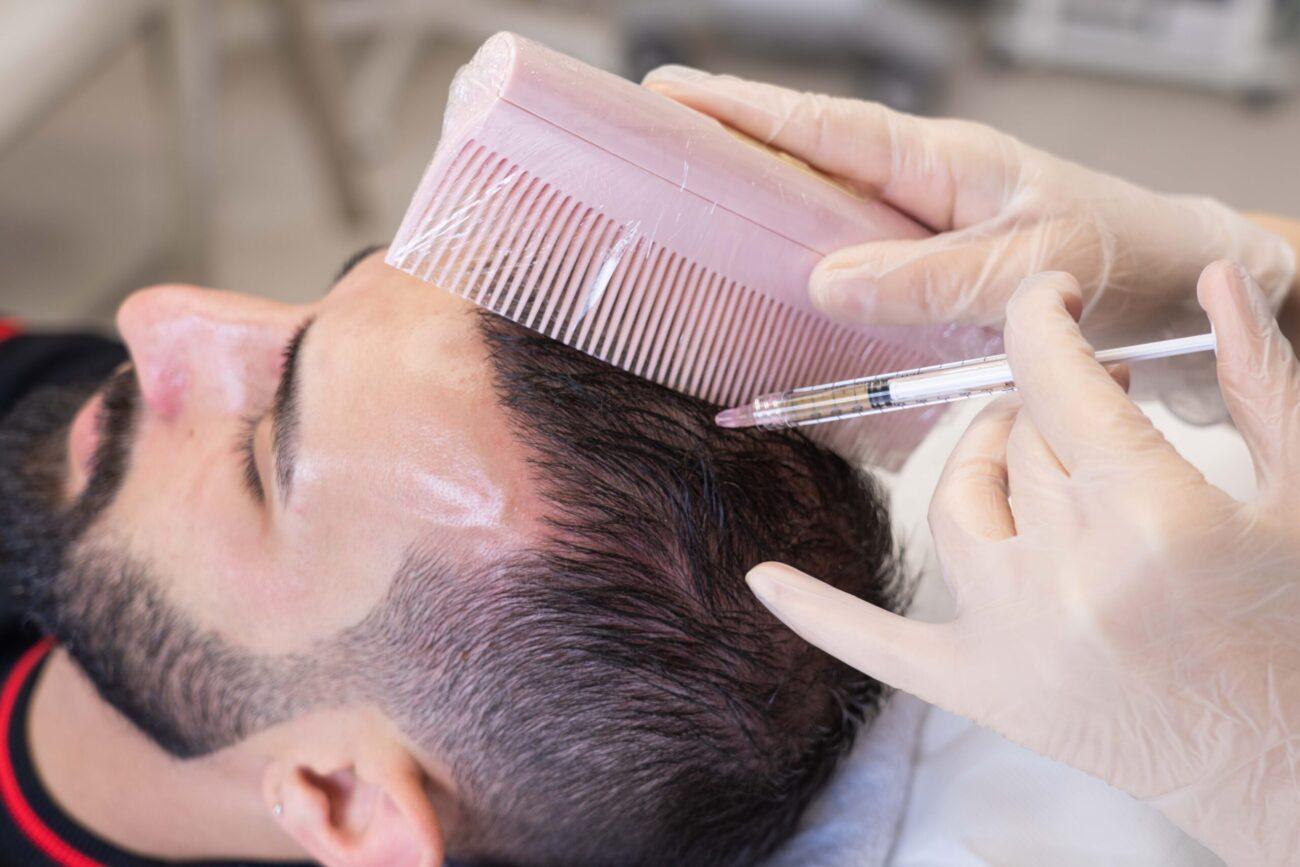
4. PRP injections: The prepared plasma is injected into selected scalp areas using fine needles. You may feel brief pinpricks, pressure, or mild discomfort during this stage.
The appointment's total duration varies depending on the area being treated and the clinic's process. Your provider should explain each step and give you an opportunity to ask questions before treatment begins.
Is PRP Hair Treatment Painful?
Most patients experience some discomfort rather than severe pain, although individual experiences differ. Sensitivity may depend on the injection sites, the number of injections, and your personal pain tolerance.
Temporary redness, tenderness, mild swelling, or small bruises may occur around the injection sites. These effects generally settle over a short period, but recovery varies.
Tell your clinician if you experience significant discomfort during the procedure. They can discuss appropriate measures to make the experience more manageable.
Aftercare and Recovery Following Your First Session
Most people can return to routine activities relatively soon after PRP hair treatment, depending on their comfort and the provider's advice. Your scalp may feel sensitive for a short time.
Your clinic may recommend that you:
-
Follow the specific instructions for washing your hair after treatment.
-
Avoid vigorous scalp rubbing and irritating hair products until advised.
-
Delay strenuous exercise, swimming, or activities that cause heavy sweating for the period recommended by your provider.
-
Contact the clinic if you develop worsening pain, spreading redness, fever, or unusual discharge.
Severe or increasing symptoms should not be dismissed as normal recovery. Seek prompt medical assessment if signs of infection or another complication develop.
When Can You Expect to See Results?
PRP hair treatment does not produce instant hair growth. Hair follicles follow natural growth cycles, so changes may take several months to become noticeable. Some patients experience improvements in hair density or reduced shedding, while others see limited benefit.
Your clinician may recommend a series of sessions rather than a single appointment, followed by periodic reviews. The schedule should reflect your diagnosis, response to treatment, and individual circumstances.
Standardised photographs and consistent assessments can help track changes more reliably than relying on memory alone. Your provider may also discuss established treatments, such as minoxidil or other medically appropriate options, when suitable.
PRP Hair Treatment at Tajmeels Clinic in Dubai
At tajmeels clinic dubai, patients considering PRP hair treatment in Dubai can discuss their hair concerns, medical background, and treatment expectations during a consultation. An individual assessment can help determine whether PRP may be appropriate and whether further evaluation is needed before proceeding.
Patients should receive clear information about the procedure, possible side effects, expected timelines, and alternative options. A personalised treatment plan should be based on clinical suitability rather than a promise of guaranteed hair growth.
Choosing a qualified provider and attending recommended follow-up appointments are important steps in managing hair loss responsibly.
Final Thoughts
Your first PRP hair treatment appointment is an opportunity to understand your hair loss, discuss suitable treatment options, and learn what the procedure involves. From the initial scalp assessment to blood processing, injections, and aftercare, each stage contributes to a more informed treatment experience.
Before starting PRP hair treatment in Dubai, ask questions about your diagnosis, expected outcomes, possible risks, and follow-up plan. Realistic expectations and professional medical guidance can help you decide whether this approach fits your hair restoration goals.
More Information
Tajmeels Clinic Dubai
WhatsApp: +971 56 203 8751
Phone: tel:+971 43739000
Social Media:

 Bangla