


Protein Degraders Market in APAC: Market Size, Drug Development Trends & Competitive Landscape
Market Overview
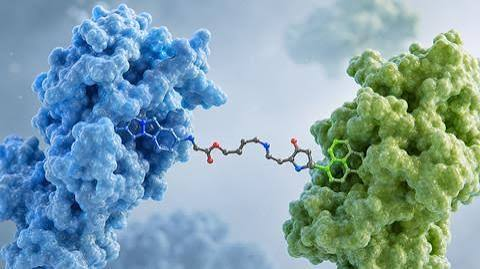
The global protein degrader therapeutics market, encompassing proteolysis-targeting chimeras (PROTACs) and molecular glues, was valued at approximately USD 0.5 billion in 2025 and is projected to reach USD 3.7 billion by 2035, registering a CAGR of 22% during the 2026–2035 forecast period. The market is gaining momentum as pharmaceutical and biotechnology companies increasingly explore targeted protein degradation as an innovative approach to drug discovery and therapeutic development. Unlike conventional medicines that typically inhibit protein activity, PROTACs and molecular glues can direct selected disease-associated proteins toward cellular degradation mechanisms, creating opportunities to address previously difficult-to-target proteins. These technologies are attracting significant research interest in oncology, hematological malignancies, inflammatory disorders, and other complex diseases. Growing investment in biotechnology research, expanding clinical development pipelines, and strategic collaborations between pharmaceutical companies and specialist drug developers are further supporting market expansion.
To obtain a free sample research report - https://marketgenics.co/download-report-sample/protein-degraders-protacs-molecular-glues-market-21320
Market Growth Drivers
The protein degraders market is primarily driven by increasing investment in targeted therapies, advances in molecular biology, and the growing need for innovative treatments for cancer and other complex diseases. PROTACs and molecular glues are attracting attention because they offer alternative approaches to eliminating disease-associated proteins that may be difficult to address using conventional drug-inhibition methods. The expansion of oncology research, increasing clinical trials, and growing interest in precision medicine are encouraging pharmaceutical and biotechnology companies to develop next-generation protein degradation therapies. Furthermore, strategic partnerships, licensing agreements, and research collaborations are accelerating the development and commercialization of promising drug candidates. Improvements in drug design, target identification, screening technologies, and understanding of E3 ubiquitin ligases are also supporting innovation. However, challenges related to clinical validation, drug delivery, safety, development costs, and regulatory requirements may influence the pace of market adoption. Continued research investment and progress in clinical development are expected to create new opportunities for companies operating in the protein degraders market.
Regional Insights
North America represents a leading region in the protein degraders market, supported by a strong biotechnology ecosystem, substantial pharmaceutical research investment, established clinical development infrastructure, and the presence of specialized companies developing PROTACs and molecular glues. The United States is a major contributor due to its concentration of biotechnology innovators, academic research institutions, venture capital funding, and pharmaceutical partnerships. Europe also represents an important market, driven by collaborative drug discovery programs, advanced biomedical research, and investments in innovative therapies across Germany, the United Kingdom, France, and Switzerland. Asia-Pacific is emerging as a promising growth region as China, Japan, South Korea, India, and Australia expand their biotechnology capabilities, pharmaceutical research activities, and clinical trial infrastructure. China is attracting interest through growing investment in innovative drug development, while Japan and South Korea contribute through established pharmaceutical industries and advanced life sciences research. India also offers opportunities through its expanding biotechnology sector and drug development capabilities. Meanwhile, Latin America and the Middle East and Africa may experience gradual market development as research infrastructure and access to advanced therapies improve. Across all regions, clinical trial outcomes, research funding, regulatory pathways, and pharmaceutical partnerships will influence the future adoption of protein degradation technologies.
Related Reports:
Digital Product Passport Solutions Market
Deepfake Detection Technology Market
Decentralized Identity Solutions Market
Contact:
Mr. Debashish Roy
MarketGenics Global Research
800 N King Street, Suite 304 #4208, Wilmington, DE 19801, United States
USA: +1 (302) 303-2617
Email: [email protected]

 Bangla