

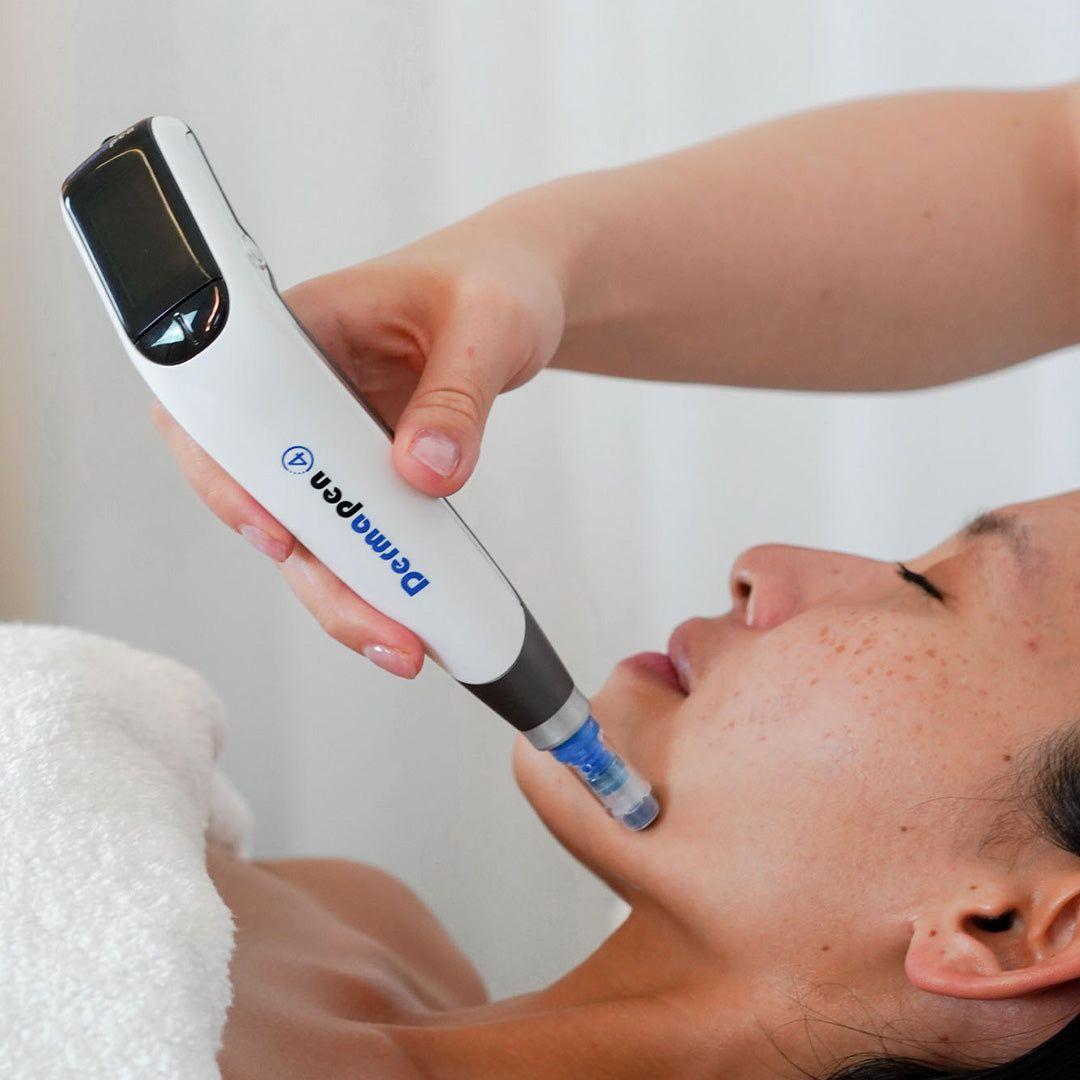

Acne scars are among the most persistent skin concerns patients bring to aesthetic clinics, and among the most misunderstood in terms of what treatment can realistically achieve. Creams rarely make a meaningful difference to indented scarring, and many patients arrive frustrated after years of trying. Microneedling offers a evidence-informed option for certain scar types — but only with correct expectations. Here is an honest look at how Dermapen Treatment in Dubai may help acne scarring, which scars respond, and what improvement actually looks like.
Understanding Why Acne Scars Form
Acne scars develop when inflammation from acne damages the dermis deeply enough that the skin's repair process produces too little collagen — creating depressions — or too much, creating raised scars. This is why surface creams have limited effect: the problem sits beneath the epidermis.
There are several scar types, and they respond differently to treatment:
-
Rolling scars — shallow, wave-like depressions with tethered fibrous bands
-
Boxcar scars — distinct, round or oval indentations with sharper edges
-
Ice-pick scars — narrow, deep tracts that extend into the dermis
-
Hypertrophic and keloid scars — raised scars, which require different management
Microneedling works primarily by stimulating collagen remodeling, which makes it most suited to rolling and boxcar scarring. Ice-pick scars often need additional modalities.
How Dermapen Treatment in Dubai Targets Scarred Skin
The device creates controlled micro-channels at a depth that reaches the dermis, triggering a wound-healing cascade. This process encourages new collagen deposition and, over repeated sessions, may soften the edges of depressed scars and improve overall texture.
Some clinicians combine microneedling with other approaches — such as subcision for tethered rolling scars — because needling alone cannot always release fibrous bands. A thorough assessment determines whether a single approach or a combination is appropriate.
What Improvement Realistically Looks Like
This is where honest expectation-setting matters most. Patients should understand that:
-
Scars are softened and their appearance improved, not erased
-
Change is gradual, typically visible after several sessions
-
Deeper scars respond more slowly than shallow ones
-
Texture improvements often matter more than depth reduction
In our clinical experience, patients who are shown their baseline photographs and given a realistic range of improvement report greater satisfaction than those promised dramatic clearance. Individual results vary considerably, and no clinician can guarantee a specific percentage of improvement.
Planning a Realistic Course
Acne scar treatment is rarely a short course. Most protocols involve four to six sessions spaced four to six weeks apart, with review points to assess progress. In some cases, additional sessions or combined treatments are recommended.
Consistency matters. Patients who attend sessions at planned intervals and protect their skin from sun exposure between appointments tend to see more predictable progress than those who book sporadically.
Why Active Acne Must Be Controlled First
Treating scars while acne is still active is generally counterproductive. New inflammation can create new scars and compromise healing. A responsible clinician will usually recommend getting active acne under control — sometimes with dermatological management — before beginning scar-focused microneedling.
This sequencing is not a delay tactic; it protects the investment of time and money that scar treatment represents.
Supporting Results Between Sessions
Scar remodeling continues for weeks after each appointment, and daily habits influence the outcome:
-
Daily broad-spectrum sun protection — essential in Dubai's high-UV environment
-
Gentle barrier care — avoid aggressive exfoliation between sessions
-
Patience with actives — reintroduce retinoids only when advised
-
Consistent session spacing — as planned with your clinician
Patients sometimes undermine their own progress by resuming harsh skincare too quickly or skipping sun protection, then attributing slow improvement to the treatment itself.
The Limits of Microneedling for Scarring
Not all scars respond well to needling alone. Ice-pick scars, deeply tethered rolling scars, and hypertrophic scarring often require different or combined approaches. A clinician who explains these limits is providing useful guidance, not discouraging treatment.
At Tajmeels Clinic in Dubai, scar assessment includes identifying scar type and discussing whether microneedling alone is appropriate or whether a combined plan would serve the concern better.
A Grounded Conclusion for Scar Patients
Dermapen Treatment in Dubai can be a worthwhile option for rolling and boxcar acne scars, offering gradual softening and texture improvement across a planned course. It is not a scar-removal procedure, and results depend on scar type, skin response, and consistency. The most useful first step is a proper assessment that identifies your scar type and sets a realistic target — because knowing what improvement to expect is the difference between disappointment and satisfaction.
Ready to Begin Your Transformation?
Get in touch with us today to explore exclusive offers and find the right treatment for you!
WhatsApp: +971 56 203 8751
Phone: +971 4 373 9000
Social Media:
