

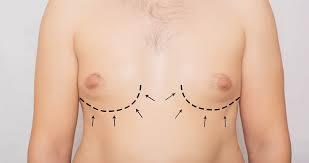

Gynaecomastia is a condition involving the enlargement of glandular breast tissue in males. It can affect men of different ages and may lead to concerns about chest appearance, clothing choices, confidence, and physical comfort. For individuals considering Gynaecomastia Surgery in Dubai, the consultation is an important first step toward understanding the cause of breast enlargement and exploring suitable treatment options.
A consultation helps establish whether the enlargement is caused by glandular tissue, excess fat, or a combination of both. It also gives patients an opportunity to discuss their expectations, medical history, potential surgical approaches, and recovery requirements. Understanding what happens during this appointment can help men feel more prepared and confident about making informed decisions.
Understanding Your Concerns and Treatment Goals
The consultation generally begins with a discussion about the patient's concerns and reasons for considering male breast reduction surgery. Some men may be concerned about fullness around the nipples, while others may notice uneven chest contours or persistent enlargement despite maintaining a healthy lifestyle.
The healthcare professional may ask how long the enlargement has been present, whether it has changed over time, and whether it causes tenderness or discomfort. Patients can also explain how the condition affects their daily activities, exercise routines, or clothing preferences.
Discussing these concerns helps establish realistic treatment goals. Gynaecomastia surgery aims to improve chest contours, but the final appearance depends on individual anatomy, skin quality, and the treatment approach.
Reviewing Medical History and Possible Causes
A medical history review is an essential part of a gynaecomastia consultation. Breast enlargement can develop because of hormonal changes, certain medications, underlying medical conditions, or changes in body composition. It may also occur during puberty or later in adulthood.
The healthcare professional may ask about previous illnesses, current medications, supplements, previous chest procedures, and relevant family or personal medical history. Information about weight changes and the use of substances that may affect hormone levels can also be relevant.
In some cases, further medical assessment may be recommended before considering surgery. Blood tests, hormone evaluation, or imaging may be appropriate when the symptoms or examination findings suggest another underlying cause.
Men should mention any new or rapidly developing breast changes. A hard or fixed lump, nipple discharge, skin changes, or enlargement affecting only one side warrants medical evaluation rather than an assumption that the problem is ordinary gynaecomastia.
Physical Examination of the Chest
A physical examination helps the healthcare professional understand the nature and extent of breast enlargement. The assessment may consider the amount and distribution of glandular tissue, the presence of excess fat, skin elasticity, nipple position, and differences between the two sides of the chest.
These details matter because not every case of enlarged male breasts requires the same treatment. Some patients have predominantly fatty tissue, while others have firm glandular tissue beneath the nipple. Some have a combination of both.
The examination also helps identify whether loose skin could influence the surgical plan. Patients should feel comfortable asking questions about the assessment and discussing any concerns about privacy or examination procedures.
Discussing Suitable Gynaecomastia Treatment Options
After reviewing the medical history and examination findings, the healthcare professional can explain which treatment approaches may be appropriate.
Liposuction: This technique may be considered when excess fatty tissue contributes significantly to chest fullness. It involves removing fat through small incisions using specialised equipment.
Glandular tissue removal: When firm breast gland tissue is responsible for enlargement, surgical excision may be needed. Liposuction alone may not adequately remove this tissue.
Combined techniques: Some patients may benefit from a combination of liposuction and glandular tissue removal to address different components of chest enlargement.
The appropriate approach depends on the patient's anatomy, underlying cause, skin condition, and treatment goals. Surgery is not automatically necessary for every patient. Where a medical cause is suspected, addressing that cause may be the first priority.
Understanding Surgical Risks and Expected Results
An important part of the consultation involves discussing the potential benefits and limitations of gynaecomastia surgery. Patients should understand that the procedure can improve chest contour but cannot guarantee perfect symmetry or a particular appearance.
Potential risks include bleeding, infection, fluid accumulation, scarring, changes in nipple sensation, contour irregularities, and asymmetry. Some patients may also experience persistent or recurrent enlargement, depending on the underlying cause and other contributing factors.
The healthcare professional should explain the expected outcome in the context of the patient's individual circumstances. Patients can ask how their skin elasticity, tissue distribution, and existing chest asymmetry might influence the result.
A clear discussion of risks and realistic expectations supports informed consent and helps patients decide whether surgery aligns with their goals.
Reviewing Recovery and Aftercare Requirements
Recovery planning is another important consultation topic. Patients should understand that healing varies according to the surgical technique, extent of treatment, and individual health factors.
The discussion may cover temporary swelling, bruising, discomfort, wound care, follow-up appointments, and the possible use of a compression garment. Patients should also ask when they can return to work, driving, exercise, and strenuous physical activities.
Following the surgeon's instructions is essential. Returning to intense workouts too early may interfere with healing, while attending follow-up appointments allows the healthcare team to monitor recovery and identify concerns.
Patients should ask how to recognise warning signs, including increasing redness, fever, unusual discharge, severe pain, or sudden swelling, and when to seek urgent medical advice.
How Tajmeels Clinic Approaches the Consultation
At tajmeels clinic dubai, individuals exploring gynaecomastia surgery in Dubai can use the consultation to discuss their concerns, understand the assessment process, and learn about potential treatment options. An individualised discussion should consider medical history, chest anatomy, skin quality, expectations, and relevant safety factors before a treatment plan is established.
Patients can use the appointment to ask about the proposed technique, expected recovery, potential risks, and follow-up care. They should also confirm the qualifications of the treating surgeon and understand who will provide their postoperative support.
The purpose of the consultation is to support an informed decision rather than rush the patient into a procedure. Where further investigation is necessary, treatment planning may need to wait until the relevant findings have been reviewed.
Preparing for Your Gynaecomastia Consultation
To make the appointment more productive, consider preparing the following information:
-
A list of current medications and supplements.
-
Details of relevant medical conditions and previous surgeries.
-
Information about when the breast enlargement began and whether it has changed.
-
Any previous test results or medical reports related to the condition.
-
Questions about surgical techniques, risks, recovery, and follow-up care.
Being open about medical history and treatment expectations helps the healthcare professional provide more appropriate guidance.
Conclusion
A gynaecomastia consultation is more than a discussion about chest appearance. It involves understanding possible causes, reviewing medical history, examining the chest, comparing treatment options, and discussing risks and recovery. For men considering gynaecomastia surgery in Dubai, this process provides a foundation for informed decision-making and realistic expectations.
A careful, individualised assessment helps determine whether surgery is appropriate and which approach may best address the patient's concerns. Taking time to ask questions and understand the available options can make the next steps clearer and more manageable.
More Information
Tajmeels Clinic Dubai
WhatsApp: +971 56 203 8751
Phone: tel:+971 43739000
Social Media:
