


Durable Pumping Equipment for Demanding Applications
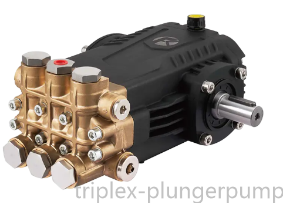
A Three Plunger High Pressure Pump is designed to deliver pressurized fluid for industrial applications that require reliable flow and controlled operating conditions. Its three-plunger arrangement uses reciprocating movement to transfer fluid through a pumping cycle, making this configuration suitable for various cleaning, testing, and fluid-handling tasks, depending on the model. For B2B buyers, choosing the right equipment involves evaluating working pressure, flow rate, fluid compatibility, drive requirements, and operating frequency to ensure that the pump matches the actual needs of the system.
The three-plunger design distributes fluid displacement across three reciprocating plungers operating at different stages of the cycle. In a properly designed system, this arrangement can provide a more even discharge pattern than a comparable single-plunger configuration. Actual flow characteristics depend on the pump's internal design, operating speed, valve arrangement, and connected system. Buyers should review model-specific technical documentation to understand the expected performance rather than assuming that all pumps with three plungers deliver identical results.
Operating pressure is a central consideration when selecting industrial pumping equipment. The required pressure depends on the resistance of the connected system and the task being performed. Cleaning applications may need enough pressure to remove dirt and deposits, while testing applications may require carefully controlled conditions. Buyers should establish the normal working pressure and any anticipated peak demand before choosing a model. Selecting equipment solely by its maximum pressure rating can result in a mismatch if the flow rate, power supply, or intended duty cycle is unsuitable.
Flow capacity should be evaluated alongside pressure. It determines the amount of fluid delivered over a given period and can influence cleaning speed, process throughput, or the time required to complete an operation. A system requiring high-volume water delivery may need a different configuration from one that prioritizes controlled pressure at a lower flow rate. Pressure and flow also influence power demand, so the selected drive must be suitable for the intended operating point. Providing the supplier with clear application details helps support accurate equipment selection.
The drive system should match the installation environment. Electric motor-driven configurations may be suitable for fixed industrial facilities where an appropriate electrical supply is available. Buyers should confirm motor power, voltage, frequency, rotational speed, and mounting requirements before ordering. The installation layout should allow sufficient space for pipe connections, ventilation where required, inspection, and maintenance. Reviewing these details before procurement can help reduce installation changes and simplify integration into existing equipment.
Material compatibility is important for both performance and service life. The pump head, plungers, seals, valves, and other wetted components must be suitable for the fluid being handled. Water quality, temperature, chemical composition, and exposure to abrasive particles can affect wear and maintenance intervals. Stainless steel and other specialized materials may be appropriate for certain applications, but the correct selection depends on the specific fluid and operating conditions. Buyers should provide accurate information about the medium and environment so the supplier can recommend suitable materials.
Installation quality also influences operating reliability. The inlet supply must meet the manufacturer's requirements, while the discharge pipework and fittings must be rated for the intended pressure. Restricted inlet flow, air entering the system, unsuitable connections, or operation without sufficient fluid can lead to unstable performance and premature wear. Pressure-rated hoses, suitable fittings, and appropriate protective devices should be incorporated into the complete system according to its design requirements.
Routine maintenance helps preserve consistent performance. Operators should inspect connections, monitor pressure and flow, and investigate leakage, unusual vibration, or changes in operating noise. Seals and valves may require periodic inspection or replacement according to the manufacturer's recommendations and the conditions of use. Proper startup and shutdown procedures help reduce unnecessary stress on internal components. Recording operating hours, inspections, and replacement activities can help maintenance teams identify recurring problems and plan service work before failures interrupt production.
Safety procedures should be established before the pump enters service. Every pressure-bearing component must be rated for the intended conditions, and operators should avoid exceeding the equipment's approved limits. Before maintenance, the drive should be isolated and residual pressure released according to approved procedures. Appropriate protective equipment and operator training help reduce the risk of injury during operation and servicing.
For B2B procurement teams, technical quotations should clearly identify the model, rated pressure, flow rate, drive power, operating speed, wetted materials, connection details, and available accessories. Spare parts availability, warranty conditions, documentation, delivery arrangements, and after-sales support should also be confirmed. When evaluating a Three Plunger High Pressure Pump, businesses should focus on verified performance data, application suitability, and maintenance requirements. FEIKE's pump products and available configurations can be explored at https://www.triplex-plungerpump.com/product/pumps/.

 Bangla