

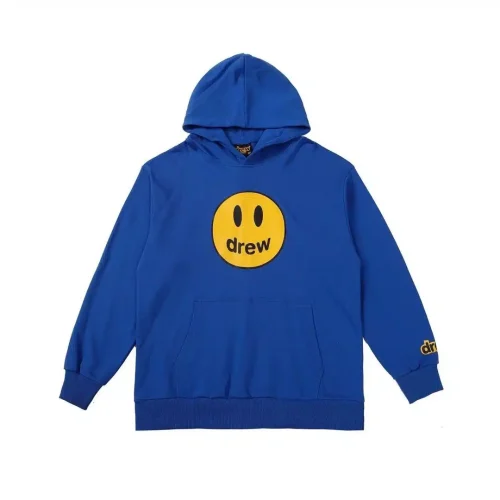
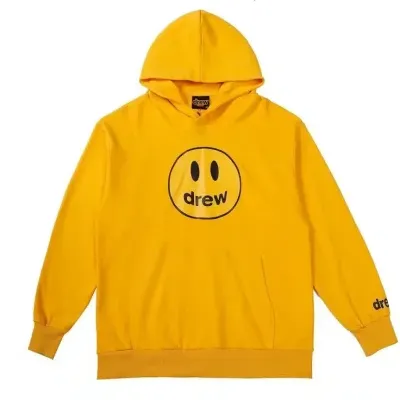
House of Drew: Exploring the Future of Modern Streetwear
Streetwear has grown from a niche fashion movement into a major influence on contemporary clothing, lifestyle, and personal expression. What once represented underground communities and youth culture now shapes everyday outfits, designer collections, and global fashion conversations. As this style continues to evolve, people are becoming more interested in clothing that combines comfort, creativity, and individuality. house of drew fits naturally into this wider discussion by representing the appeal of modern casual fashion and the growing demand for distinctive streetwear aesthetics.
The Evolution of Modern Streetwear
Streetwear has always been connected to self-expression. Its development has been influenced by music, skateboarding, sports, art, and urban communities. Over time, these influences have created a fashion culture that values originality over strict traditional rules. People no longer view casual clothing as something reserved for relaxing at home. Instead, hoodies, graphic T-shirts, relaxed trousers, and versatile outerwear have become important parts of everyday wardrobes.
Modern streetwear also reflects changing attitudes toward personal style. Consumers want clothing that feels comfortable while allowing them to communicate their personalities. Some prefer minimal designs and neutral colours, while others enjoy oversized silhouettes, striking graphics, and bold combinations. This variety keeps streetwear relevant and allows different fashion preferences to exist within the same movement.
As the industry moves forward, successful streetwear concepts will likely continue balancing familiar influences with fresh ideas. Clothing that feels authentic, wearable, and visually interesting can appeal to people who want their outfits to express more than simple practicality.
Why House of Drew Represents a Modern Fashion Conversation
Contemporary fashion is increasingly shaped by the relationship between identity and clothing. People often choose particular styles because they reflect their interests, moods, and lifestyles. Streetwear provides an especially flexible way to communicate these preferences without following a formal dress code.
The appeal of a modern streetwear label often comes from its overall visual identity. Consistent styling, thoughtful design choices, and a recognisable aesthetic can help create a memorable impression. Rather than depending entirely on passing trends, a strong fashion identity gives wearers room to experiment while maintaining a sense of personal consistency.
For shoppers exploring emerging and contemporary clothing labels, it is useful to look beyond a name or a popular design. Fabric quality, construction, sizing, comfort, and versatility all contribute to the overall experience. These practical considerations help consumers decide whether an item deserves a lasting place in their wardrobe.
The Importance of Comfort and Everyday Wearability
Comfort has become one of the most important considerations in modern fashion. Busy routines require clothing that can adapt to different activities, from meeting friends and travelling to attending casual events or spending time in the city. Streetwear answers this need through relaxed fits, practical layers, and familiar wardrobe essentials.
Hoodies remain popular because they provide warmth and can be styled in numerous ways. Graphic T-shirts offer a simple foundation for casual outfits, while sweatpants and relaxed trousers provide an alternative to more restrictive clothing. Jackets and overshirts can add structure when an outfit needs an additional layer.
When considering a streetwear purchase, shoppers should pay attention to how a garment fits and feels. Breathable fabrics, comfortable seams, suitable proportions, and durable construction can make a noticeable difference. These details matter because fashionable clothing becomes more valuable when it works well in everyday situations.
The future of streetwear will not depend only on how clothing looks in photographs. Practical design and long-term wearability will remain important factors in determining which pieces people continue wearing season after season.
How Personal Styling Shapes Streetwear Trends
One of streetwear's greatest strengths is its flexibility. The same garment can create different impressions depending on the colours, accessories, footwear, and layers chosen around it. This freedom encourages people to experiment rather than rely on a single formula for getting dressed.
A relaxed hoodie paired with straight-leg jeans and clean trainers creates an uncomplicated everyday outfit. For a more layered appearance, a T-shirt can be worn beneath an open jacket, with coordinated trousers completing the look. Those who prefer a minimalist wardrobe can build outfits around black, grey, cream, and navy, while brighter colours provide opportunities for more expressive combinations.
Proportion also plays an important role. Oversized tops often work well with straight or slightly tapered trousers, creating a balanced silhouette. Alternatively, fitted tops can complement relaxed bottoms for a different visual effect. The goal is not to follow every styling rule but to understand which combinations suit individual preferences.
Fashion becomes more enjoyable when people treat clothing as a tool for creativity. A recognisable streetwear aesthetic can provide inspiration, but personal interpretation is what makes an outfit feel distinctive.
The Role of Quality and Thoughtful Purchasing
As consumers become more informed, they increasingly consider value alongside appearance. A low price may seem attractive initially, but durability, fabric performance, and construction can influence how useful a garment becomes over time. Thoughtful purchasing means considering the full experience rather than judging an item by its design alone.
Before buying clothing, shoppers can examine product descriptions, fabric composition, size charts, and care instructions. Clear product photographs and accurate measurements can also help reduce uncertainty. When independent reviews are available, they may provide additional insight into fit, comfort, and durability.
The phrase drew clothing gives a useful starting point for discussing what shoppers expect from contemporary fashion: a combination of personal expression, everyday practicality, and considered design. These expectations apply broadly across the streetwear market, where customers often want pieces that look distinctive without being difficult to style.
Building a wardrobe around versatile garments can also reduce unnecessary purchases. Choosing pieces that work with existing clothing makes it easier to create multiple outfits and get more use from each item.
How Digital Culture Is Influencing Streetwear
Digital platforms have transformed the way people discover and discuss fashion. Outfit videos, styling photographs, online communities, and creator recommendations allow new trends to reach audiences quickly. A particular colour combination or silhouette can gain attention across different regions within a short period.
This increased visibility gives consumers access to a wider range of inspiration. Someone interested in streetwear can explore minimalist looks, vintage influences, contemporary graphics, and international styling ideas without relying solely on local stores or magazines.
However, fast-moving digital trends can also encourage unnecessary spending. A style that appears everywhere online may lose its appeal quickly, especially when it does not suit the wearer's everyday needs. Developing an individual sense of style helps people distinguish between temporary excitement and clothing they genuinely enjoy wearing.
For brands, digital culture creates opportunities to communicate their design philosophy and engage with customers. For shoppers, it offers inspiration while making thoughtful evaluation more important than ever.
Sustainability and the Future of Streetwear
Sustainability is becoming an important topic throughout the fashion industry. Clothing production uses resources, and discarded garments contribute to growing textile waste. Although no single purchasing decision can solve these challenges, consumers can make more considered choices when building their wardrobes.
One practical approach is to prioritise durability and versatility. Garments that remain comfortable and relevant for several years may provide greater value than items purchased solely for a short-lived trend. Following washing instructions, repairing minor damage, and storing clothing properly can also extend its useful life.
Second-hand shopping offers another option for people who enjoy discovering distinctive pieces. It can help existing garments find new owners and reduce the need to purchase everything new. Consumers can also look for brands that provide clear information about materials, manufacturing, and responsible business practices.
The future of streetwear may increasingly depend on how well creativity works alongside these considerations. Individual expression and environmental awareness do not need to compete; both can influence more thoughtful approaches to fashion.
Building a More Individual Streetwear Wardrobe
Creating a personal streetwear wardrobe does not require buying every new release. A considered selection of everyday essentials can provide a strong foundation for experimenting with different styles. Basic T-shirts, comfortable trousers, versatile outerwear, and suitable footwear can be combined in numerous ways.
From there, individuals can introduce pieces that reflect their interests. Graphic designs, unusual textures, statement accessories, and distinctive colour choices can add personality without making every outfit complicated. The most effective wardrobe is one that supports real routines and feels natural to wear.
The idea behind drewhouse fits can be explored through this emphasis on fit, coordination, and personal comfort. Clothing should work with the wearer rather than force them into a style that feels unfamiliar. Understanding preferred silhouettes and choosing appropriate sizes can help create outfits that look intentional and feel comfortable throughout the day.
Experimentation is equally important. Trying different combinations helps people discover what suits them, while keeping favourite pieces in rotation creates consistency. Personal style develops gradually through experience, not simply by purchasing whatever happens to be popular.
Conclusion
The future of modern streetwear will be shaped by creativity, comfort, digital culture, and growing awareness of responsible consumption. Its enduring appeal comes from the freedom it gives people to express themselves while wearing practical, adaptable clothing. As trends continue changing, distinctive design and everyday usefulness will remain valuable considerations for shoppers.
House of Drew provides a starting point for exploring the broader ideas influencing contemporary casual fashion. By focusing on individual expression, thoughtful styling, garment quality, and versatility, consumers can build wardrobes that feel personal rather than temporary. Ultimately, the strongest streetwear approach is one that combines inspiration with practicality and allows people to develop a style that reflects who they are.
