


Equality and Diversity Training: Building a Workplace Where Everyone Belongs
Few things shape workplace culture as strongly as how people feel treated. When staff feel respected and heard, they communicate better, stay longer and do better work. When they don’t, problems follow quickly.
Good training doesn’t solve everything, but it gives people a shared understanding and practical tools. Here’s what to expect and how to choose well.
Why It Matters
Employers in the UK have legal responsibilities under the Equality Act 2010, which protects people from discrimination based on nine protected characteristics, including age, disability, race, religion or belief, sex and sexual orientation. Beyond compliance, inclusive workplaces tend to attract a wider talent pool and make better decisions because different perspectives are heard.
The real aim is a place where people can be themselves and contribute fully.
The Basic Terms
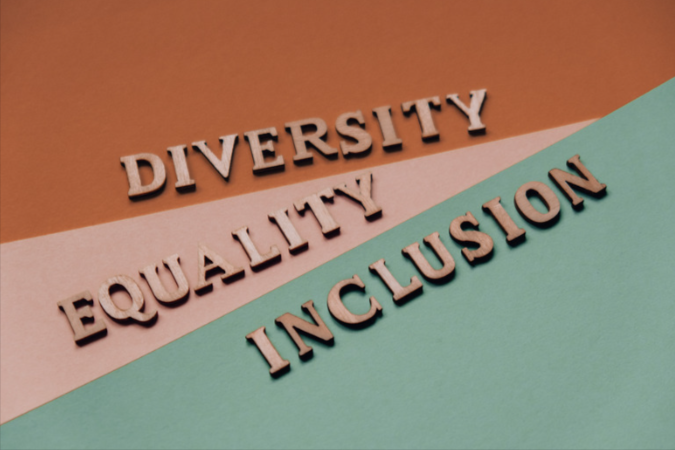
These ideas are often confused:
- Equality means treating people fairly and giving everyone access to the same opportunities.
- Diversity means recognising and valuing differences between people.
- Inclusion means making sure everyone feels welcome, respected and able to take part.
Together they describe a culture that’s fair, varied and welcoming.
Flexible Learning Options
An equality and diversity online training course is a practical option for many organisations. Staff can complete it at their own pace, you can track completion centrally, and everyone receives the same core message regardless of location or shift pattern.
Online learning works best when it includes real examples and reflection questions, not just slides and a quiz at the end. People remember scenarios they recognise from their own working lives.
What Should the Course Cover?
Before you commit, review the equality and diversity training course content to see whether it matches your needs. A strong programme usually includes:
- The legal framework, including the Equality Act 2010
- The nine protected characteristics
- Direct and indirect discrimination, harassment and victimisation
- Unconscious bias and how it shapes decisions
- Inclusive language and behaviour
- Fair recruitment, promotion and performance practices
- How to challenge inappropriate behaviour safely
- How to raise or respond to a complaint
The best content gives people something to do, not just something to know.
Courses for Different Roles
Not everyone needs the same depth, so it’s worth comparing equality and diversity training courses by audience:
- All staff. Foundations, expected behaviour and how to speak up.
- Managers and supervisors. Fair decisions, handling complaints, reasonable adjustments and supporting inclusive teams.
- Recruiters and HR. Unbiased hiring, accessible processes and policy design.
- Leaders and board members. Setting culture, accountability and monitoring progress.
Tailoring the training shows people it applies to their actual jobs.
Going Beyond Compliance
Many organisations choose equality diversity and inclusion training as part of a wider cultural effort. This approach moves past “what’s illegal” and asks “how do we make everyone feel they belong?” Topics might include psychological safety, allyship, neurodiversity awareness, menopause support or accessibility in meetings and events.
A single training session won’t change culture overnight. Pairing it with leadership commitment, clear policies and regular conversation makes it far more effective.
Making Training Stick
Here are ways to turn a course into lasting change:
- Start with leadership. When senior people take part and model the behaviour, others follow.
- Link to real policies. Show staff where to find your dignity-at-work, flexible working and complaints procedures.
- Create safe ways to speak up. People need to trust that concerns will be handled fairly.
- Follow up. Short refreshers, team discussions or case studies keep learning alive.
- Review what you measure. Staff feedback, recruitment data and retention trends show where to focus next.
Common Mistakes to Avoid
- Treating it as a tick-box exercise
- Using generic content that doesn’t reflect your workplace
- Making it so long and dry that people switch off
- Blaming individuals instead of looking at systems
- Doing it once and never revisiting it
Done properly, training should feel constructive, not accusatory.
Frequently Asked Questions
Is equality and diversity training a legal requirement?
There’s no single law that mandates a specific course, but employers must prevent discrimination, and training is a widely used way to show they take that duty seriously.
How often should staff refresh their training?
Many organisations repeat it every one to three years, or sooner if policies or laws change.
What are the nine protected characteristics?
Age, disability, gender reassignment, marriage and civil partnership, pregnancy and maternity, race, religion or belief, sex and sexual orientation.
Can a short online course really change behaviour?
On its own it builds awareness. Lasting change comes when training is combined with leadership example, clear policies and ongoing conversation.
Does the training apply to small businesses?
Yes. The law applies to employers of all sizes, and small teams often feel the impact of an unfair or unwelcoming environment even more strongly.
Build a Fairer Workplace
Inclusion is built through everyday habits: how we speak, listen, recruit and make decisions. Choose training that’s practical, relevant and backed by your leaders, and you’ll give your people a stronger foundation to work together. Review your options and take the first step.

 Bangla