


ACL Injury Treatment Dubai: Understanding Your Treatment Options
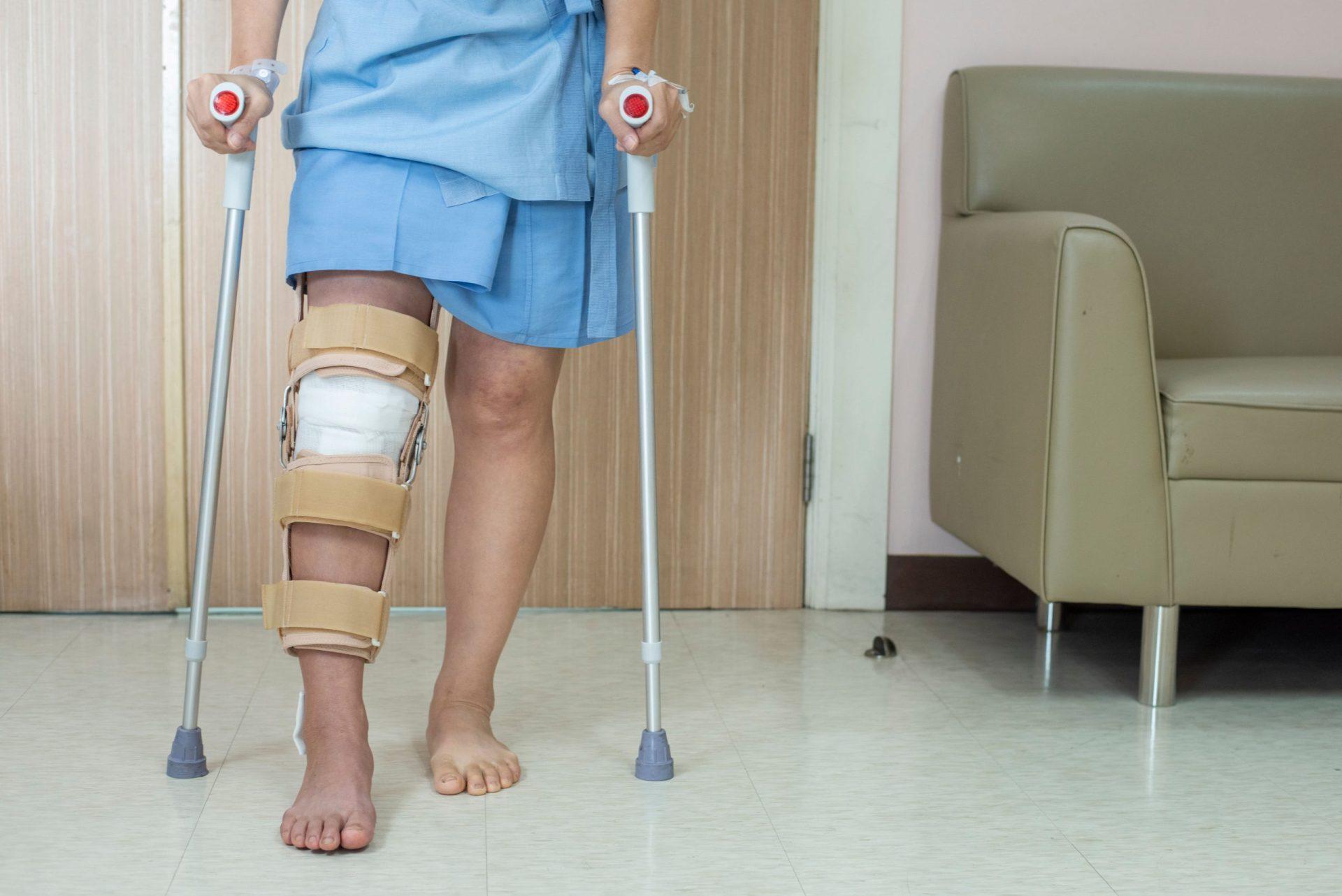
An anterior cruciate ligament (ACL) injury is one of the most common knee injuries, particularly among individuals who participate in sports and physically demanding activities. The ACL plays an important role in maintaining knee stability, controlling movement, and supporting activities such as running, jumping, turning, and changing direction. When this ligament becomes stretched or torn, it can significantly affect mobility, physical performance, and everyday activities.
Recovering from an ACL injury requires an appropriate treatment approach based on the severity of the injury, the patient's activity level, and individual recovery goals. Some individuals may benefit from structured physiotherapy, while others may require surgical intervention followed by rehabilitation.
At Vitruvian Italian Physiotherapy Center, the focus is on personalized rehabilitation that helps patients improve knee strength, stability, coordination, and functional movement. Understanding the available options for Acl Injury Treatment Dubai can help individuals make informed decisions and take appropriate steps towards recovery.
Understanding the ACL and Its Importance
The anterior cruciate ligament is one of the major ligaments inside the knee joint. It connects the thighbone (femur) to the shinbone (tibia) and helps control the forward movement and rotation of the tibia.
The ACL contributes to knee stability during several physical activities, including:
-
Running and sprinting.
-
Jumping and landing.
-
Changing direction quickly.
-
Turning and pivoting.
-
Walking on uneven surfaces.
-
Participating in sports.
Because the ACL helps control rotational movement, it is particularly important for athletes involved in football, basketball, tennis, badminton, and other sports that require sudden changes in direction.
An ACL injury can affect the knee's ability to remain stable during these movements. Depending on the severity, patients may experience swelling, discomfort, weakness, and a feeling that the knee is giving way.
Understanding the ligament's function is an important first step when exploring Acl Injury Treatment Dubai and selecting a suitable recovery strategy.
What Causes an ACL Injury?
ACL injuries commonly occur when the knee experiences sudden or excessive forces during physical activity. Although direct contact can cause ligament damage, many ACL injuries happen without another player or object striking the knee.
Some common causes include:
Sudden Changes in Direction
Quickly changing direction while running can place considerable rotational stress on the knee. If the movement occurs with poor control, the ACL may become injured.
Incorrect Landing Mechanics
Landing from a jump with poor knee alignment or inadequate muscular control can increase stress on the ligament.
Sudden Stops
Rapidly stopping while running or sprinting can place additional pressure on the knee joint.
Twisting Movements
When the foot remains planted while the body rotates, the knee may experience excessive rotational forces.
Direct Impact
A collision or direct blow to the knee during contact sports can also contribute to ACL injuries.
Muscle Weakness and Movement Imbalances
Weakness in the muscles surrounding the knee and hip may influence movement control. Poor coordination and landing mechanics can also affect how forces are distributed across the lower limbs.
Identifying how the injury occurred can help healthcare professionals understand the patient's condition and recommend appropriate treatment.
Recognizing the Symptoms of an ACL Injury
ACL injuries can produce different symptoms depending on whether the ligament is partially or completely torn.
Some individuals experience immediate symptoms following an injury, while others notice increasing discomfort and instability over time.
Common symptoms include:
-
A popping sensation at the time of injury.
-
Sudden knee pain.
-
Swelling within the first few hours.
-
Difficulty bearing weight.
-
Reduced knee movement.
-
Difficulty walking comfortably.
-
A feeling of instability or the knee giving way.
-
Difficulty participating in sports and physical activities.
Not every knee injury involves an ACL tear. Meniscus injuries, collateral ligament injuries, and other knee conditions can produce similar symptoms.
A professional assessment is therefore important for identifying the underlying problem. Individuals experiencing sudden swelling, significant pain, or difficulty bearing weight should seek prompt medical evaluation.
Understanding the Different Grades of ACL Injuries
ACL injuries are generally classified according to the extent of ligament damage. Understanding the severity helps healthcare professionals determine appropriate treatment options.
Grade 1: Mild ACL Injury
A Grade 1 injury involves stretching of the ligament without significant tearing. The ACL generally maintains its structural continuity, although the knee may experience discomfort or mild instability.
Treatment may involve activity modification and rehabilitation exercises to support knee function.
Grade 2: Partial ACL Tear
A Grade 2 injury involves partial tearing of the ligament. The ACL may lose some of its ability to stabilize the knee, potentially resulting in weakness and instability.
Treatment depends on the extent of damage, the patient's activity requirements, and the overall condition of the knee.
Grade 3: Complete ACL Tear
A Grade 3 injury involves a complete tear of the ligament. This can significantly affect knee stability, particularly during turning, jumping, and other demanding movements.
Some patients may require surgical reconstruction, while treatment decisions depend on individual clinical findings and functional needs.
Accurate diagnosis is essential before selecting an appropriate rehabilitation programme.
Available ACL Injury Treatment Options in Dubai
Treatment for an ACL injury depends on several factors, including the severity of the tear, the patient's age, activity level, knee stability, and personal goals.
There is no single treatment approach suitable for everyone. Some patients can achieve satisfactory functional improvement through rehabilitation, while others may benefit from surgery.
When considering Acl Injury Treatment Dubai, understanding the main treatment options can help patients prepare for discussions with their healthcare professionals.
1. Non-Surgical Treatment
Non-surgical treatment may be suitable for individuals with partial ACL injuries or selected complete tears, particularly when the knee can function adequately without reconstruction.
A conservative treatment programme may include:
-
Physiotherapy exercises.
-
Muscle strengthening.
-
Knee mobility training.
-
Balance and coordination exercises.
-
Activity modification.
-
Functional rehabilitation.
The main objective is to improve the strength and control of muscles surrounding the knee while developing better movement patterns.
2. ACL Reconstruction Surgery
ACL reconstruction is a surgical procedure that replaces the damaged ligament with a tissue graft. The graft may be taken from the patient's own body or obtained from a donor.
Surgery may be considered when patients experience significant knee instability, participate in demanding sports, or have additional injuries requiring surgical management.
Following reconstruction, a structured physiotherapy programme is essential for restoring knee movement, rebuilding strength, and improving functional stability.
3. Post-Surgical Rehabilitation
Rehabilitation after ACL reconstruction is an important part of the recovery process.
It generally involves several progressive stages, including:
-
Managing swelling and restoring knee movement.
-
Rebuilding quadriceps and hamstring strength.
-
Improving balance and coordination.
-
Developing single-leg stability.
-
Practising functional movements.
-
Gradually returning to running and sports when appropriate.
The rehabilitation programme must follow the surgeon's instructions and the patient's individual recovery progress.
The Importance of Physiotherapy in ACL Recovery
Physiotherapy plays a central role in both non-surgical ACL management and recovery following reconstruction surgery.
An ACL injury can affect several aspects of knee function. Patients may experience muscle weakness, reduced flexibility, poor balance, and difficulty controlling lower-limb movements.
A structured physiotherapy programme addresses these limitations through progressive rehabilitation.
At Vitruvian Italian Physiotherapy Center, treatment focuses on improving physical function through personalized exercises and movement-based rehabilitation.
Important components of ACL physiotherapy include:
Knee Mobility Exercises
Restoring comfortable knee movement is an important early rehabilitation goal. Appropriate exercises help improve bending and straightening of the joint.
Quadriceps Strengthening
The quadriceps muscles play an important role in knee stability and lower-limb function. Strengthening these muscles supports walking, standing, and other daily activities.
Hamstring Strengthening
The hamstrings contribute to knee control and support lower-limb movement. Their strengthening is an important part of many ACL rehabilitation programmes.
Hip Strengthening
The hip muscles influence lower-limb alignment and movement control. Strengthening these muscles can help improve stability during functional activities.
Balance Training
Balance exercises help improve coordination and control when standing, walking, and performing single-leg movements.
The exercises are progressed according to the patient's condition and rehabilitation stage.
How Strength Training Supports Knee Stability
Muscle strength is essential for maintaining knee stability after an ACL injury. The surrounding muscles help control movement and support the knee during everyday activities.
Weakness in the quadriceps, hamstrings, and hip muscles can make walking, climbing stairs, and standing more difficult.
Strength training is therefore a major component of ACL rehabilitation.
Some commonly used exercises include:
-
Quadriceps Sets: Gentle muscle contractions that activate the quadriceps without requiring significant knee movement.
-
Straight Leg Raises: Exercises that strengthen the quadriceps while maintaining knee extension.
-
Bridges: Movements that strengthen the gluteal and hamstring muscles.
-
Mini Squats: Controlled exercises that develop lower-body strength.
-
Resistance Band Exercises: Exercises that improve muscle strength through adjustable resistance.
-
Step-Ups: Functional movements that help develop lower-limb strength and control.
Exercise selection depends on the patient's recovery stage. Early rehabilitation exercises may be different from those introduced during advanced strengthening.
Professional supervision helps ensure that exercise intensity and movement patterns are appropriate.
Balance and Coordination Training After an ACL Injury
ACL injuries can affect the body's ability to control knee movement, particularly during activities that require sudden changes in direction.
Balance and coordination training help patients improve their awareness of body positioning and develop better control over lower-limb movements.
Common rehabilitation activities include:
Single-Leg Standing
Standing on one leg helps develop balance and control. Exercises can be modified by changing the duration or surface conditions according to the patient's ability.
Weight-Shifting Exercises
Controlled weight shifting helps patients improve their ability to distribute body weight between both legs.
Dynamic Balance Training
More advanced exercises involve controlled movements while maintaining stability.
Movement Coordination
Rehabilitation may include activities that improve coordination between the hips, knees, and ankles.
These exercises are particularly important for individuals who want to return to sports and physically demanding activities.
Returning to Sports After an ACL Injury
Returning to sports following an ACL injury requires careful planning. Even when pain and swelling have improved, the knee may still need additional strengthening and movement training.
Athletes should not rely only on how comfortable the knee feels when deciding whether to resume sports.
A return-to-sport programme may include several stages.
Stage 1: Basic Movement Recovery
The initial focus is on comfortable walking, restoring knee mobility, and improving everyday movement.
Stage 2: Strength Development
Progressive exercises help rebuild quadriceps, hamstring, and hip strength.
Stage 3: Balance and Stability
Single-leg exercises and coordination activities help improve lower-limb control.
Stage 4: Running Preparation
When clinically appropriate, rehabilitation may progress towards controlled jogging and running activities.
Stage 5: Sport-Specific Training
Advanced exercises may include jumping, landing, acceleration, deceleration, and direction-changing movements.
Stage 6: Return-to-Sport Assessment
Healthcare professionals evaluate strength, movement quality, functional performance, and psychological readiness before recommending a return to demanding sports.
Following ACL reconstruction, returning to competitive sports often takes nine to twelve months or longer, depending on individual progress and clinical assessment. Timelines vary, and meeting functional criteria is more important than following a fixed calendar.
ACL Injury Treatment Cost in Dubai: What Influences the Price?
Understanding treatment expenses is an important part of planning ACL care. The overall cost can vary depending on whether the patient requires conservative physiotherapy, surgical reconstruction, or a combination of treatments.
The Acl Injury Treatment cost in Dubai depends on several factors that should be considered when evaluating treatment options.
1. Severity of the Injury
A mild ligament injury may require a different treatment programme from a complete ACL tear. More complex injuries may involve additional assessment and rehabilitation.
2. Diagnostic Investigations
Some patients may require imaging examinations, such as an MRI, to evaluate the ligament and identify associated injuries involving the meniscus or other knee structures.
The need for diagnostic investigations can influence the overall treatment expense.
3. Surgical Requirements
When ACL reconstruction is recommended, the cost may depend on the surgical procedure, graft selection, hospital facilities, and associated medical services.
4. Number of Physiotherapy Sessions
The number of rehabilitation sessions depends on the patient's physical condition, treatment approach, and recovery progress.
5. Rehabilitation Duration
ACL rehabilitation is a progressive process that may continue for several months. Patients recovering from surgery generally require a structured programme with different rehabilitation stages.
6. Additional Treatment Needs
Some patients may require treatment for associated meniscus injuries, cartilage problems, or other knee conditions. These additional requirements can influence the overall expense.
When comparing the Acl Injury Treatment cost in Dubai, patients should consider the complete treatment journey rather than focusing only on the initial consultation or individual session price.
A personalized treatment plan helps clarify the recommended services, rehabilitation requirements, and expected stages of recovery.
How Long Does ACL Injury Recovery Take?
ACL recovery timelines vary depending on the severity of the injury and the selected treatment approach.
Patients receiving non-surgical treatment may progress differently from those undergoing ACL reconstruction.
Several factors influence recovery:
-
Severity of ligament damage.
-
Presence of additional knee injuries.
-
Muscle strength before and after the injury.
-
Consistency with physiotherapy.
-
Individual healing response.
-
Physical demands of work and sports.
-
Ability to complete rehabilitation milestones.
Following surgery, early rehabilitation generally focuses on controlling swelling, restoring knee extension, and improving basic mobility.
As recovery progresses, strengthening exercises, balance training, and functional activities become increasingly important.
Returning to high-demand sports requires additional preparation and professional clearance.
At Vitruvian Italian Physiotherapy Center, rehabilitation goals can be adjusted according to individual progress to support a structured approach to recovery.
The Role of Personalized ACL Rehabilitation
Every ACL injury is different, which makes personalized rehabilitation particularly important.
An athlete preparing to return to competitive football may have different requirements from an individual whose primary goal is to walk comfortably and manage daily activities.
A personalized rehabilitation programme considers:
-
The patient's injury history.
-
Current knee mobility.
-
Muscle strength and endurance.
-
Balance and coordination.
-
Physical activity requirements.
-
Surgical or non-surgical treatment history.
-
Individual recovery objectives.
Based on these factors, the physiotherapist can select suitable exercises and adjust their difficulty over time.
For example, an individual with significant quadriceps weakness may initially require basic strengthening exercises. Someone further along in rehabilitation may need advanced balance training and controlled jumping exercises.
This approach helps ensure that treatment remains relevant to the patient's needs throughout the recovery process.
Preventing Future ACL Injuries Through Proper Training
Although not all ACL injuries can be prevented, appropriate training can help improve movement control and reduce certain injury-related risk factors.
Prevention programmes often focus on strengthening, balance, coordination, and correct movement mechanics.
Important training components include:
Lower-Body Strengthening
Strengthening the quadriceps, hamstrings, glutes, and calf muscles supports lower-limb function.
Jumping and Landing Techniques
Learning to land with controlled knee and hip alignment can improve movement mechanics.
Balance Exercises
Balance training develops coordination and stability during single-leg activities.
Agility Training
Controlled direction-changing exercises help develop movement control during sports.
Proper Warm-Ups
Dynamic warm-up activities prepare the muscles and joints for physical exercise.
Adequate Recovery
Allowing sufficient recovery between demanding training sessions supports physical performance and general muscle function.
Athletes should follow exercise programmes appropriate for their sport, fitness level, and physical condition.
Why Choose Vitruvian Italian Physiotherapy Center for ACL Rehabilitation?
Recovering from an ACL injury involves more than simply reducing discomfort. Patients often need to rebuild muscle strength, restore knee movement, improve balance, and regain confidence in their physical abilities.
Vitruvian Italian Physiotherapy Center focuses on personalized physiotherapy and rehabilitation designed around individual physical requirements.
The approach emphasizes important aspects of ACL recovery, including:
-
Individualized physiotherapy assessment.
-
Progressive knee strengthening exercises.
-
Mobility and flexibility training.
-
Balance and coordination development.
-
Functional movement rehabilitation.
-
Guidance for improving physical performance.
-
Treatment planning based on recovery progress.
Whether someone is managing an ACL injury without surgery or recovering after ligament reconstruction, an appropriate rehabilitation programme can help address physical limitations and support functional improvement.
For individuals researching Acl Injury Treatment Dubai, understanding the importance of professional physiotherapy and individualized treatment planning is essential for making informed healthcare decisions.
Conclusion
An ACL injury can significantly affect knee stability, mobility, and the ability to participate in everyday activities and sports. However, understanding the available treatment options makes it easier to approach recovery with realistic goals and an appropriate plan.
From conservative physiotherapy and strengthening exercises to surgical reconstruction and post-operative rehabilitation, treatment should be selected according to the patient's injury, physical requirements, and clinical assessment.
Understanding the Acl Injury Treatment cost in Dubai is also important when planning care, as expenses may vary depending on diagnostic investigations, surgical requirements, physiotherapy sessions, and rehabilitation duration.
At Vitruvian Italian Physiotherapy Center, personalized rehabilitation focuses on rebuilding strength, improving knee stability, and restoring functional movement. With professional guidance, consistent participation, and a structured recovery programme, patients can work towards improved knee function and a more active lifestyle.

 Bangla