

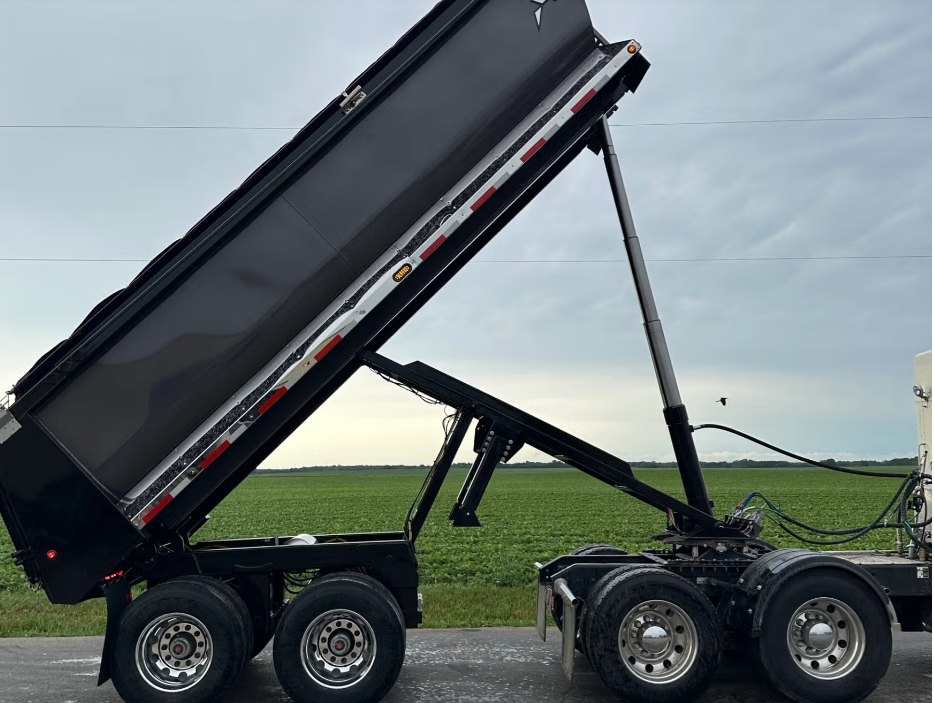

Equestrian facilities require consistent maintenance to provide safe, organized spaces for horses, riders, and staff. From maintaining riding arenas to improving access roads and managing stable-area debris, daily operations often involve moving bulk materials across the property. Choosing suitable hauling equipment can help facility managers complete these tasks more efficiently.
Maintaining Riding Arenas and Training Areas
Riding arenas need regular attention to maintain suitable footing and drainage. Depending on the arena surface, maintenance projects may involve transporting sand, approved footing materials, or other supplies used to maintain the riding area.
A planned material delivery process helps staff distribute supplies where they are needed without creating unnecessary disruption to training schedules. Before transporting materials, managers should assess arena access, ground stability, and the requirements of the specific footing system.
Heavy equipment should only enter areas that can safely support its weight, and operators should avoid damaging the arena surface during deliveries.
Managing Stable and Property Improvements
Stable facilities often require ongoing repairs to fencing, storage areas, walkways, and outdoor structures. These projects may generate compatible construction debris, excavated soil, or damaged non-hazardous materials that need to be moved away from active work areas.
When comparing dump trailers for equestrian facilities, property managers should consider the type and weight of materials being transported, trailer capacity, site access, and towing vehicle compatibility.
A suitable trailer can assist with certain bulk-material and cleanup tasks, while long fencing sections, specialized stable equipment, or oversized structures may require a different transportation setup.
Improving Drainage and Access Roads
Rainfall and repeated vehicle traffic can affect the access roads, parking areas, and service routes around an equestrian property. Uneven surfaces and drainage problems may make it more difficult for horse trailers, supply vehicles, and emergency services to reach the facilities.
Maintenance work may require transporting gravel or other appropriate materials to repair affected areas. Managers should plan delivery routes carefully, especially where roads are narrow or shared with horses and pedestrians.
Any work involving drainage should account for local conditions and direct water away from stables, riding areas, and other sensitive locations without creating problems for neighboring properties.
Keeping Outdoor Areas Organized
Branches, landscaping debris, damaged materials, and waste from property improvements can accumulate around paddocks, storage buildings, and service areas. Organized collection points help staff keep these materials away from horse movement routes and visitor spaces.
Waste should be separated according to local disposal requirements. Manure, bedding, contaminated materials, and other stable waste may require dedicated handling methods rather than being mixed with general construction debris.
Clear work zones and carefully planned equipment movements can also reduce unnecessary disturbance to horses and staff.
Choosing Equipment for Property Conditions
Equestrian properties range from compact private stables to large training centers with extensive outdoor facilities. The appropriate hauling equipment depends on the property's layout, the frequency of maintenance work, and the materials involved.
Before choosing a trailer, managers should review payload ratings, dimensions, dumping capability, towing requirements, and the condition of the intended travel routes. Soft ground and wet paddock edges may not safely support loaded equipment.
Regular inspections and maintenance should follow the manufacturer's recommendations, with particular attention to tires, brakes, lights, hitch connections, and hydraulic components where applicable.
Conclusion
Maintaining an equestrian facility involves coordinating arena upkeep, property repairs, material deliveries, and outdoor cleanup. Suitable hauling equipment can help managers handle compatible materials while keeping work areas organized.
By assessing site conditions, planning maintenance activities, and selecting equipment that matches their operational needs, equestrian facility managers can support safer, more efficient property maintenance.

