

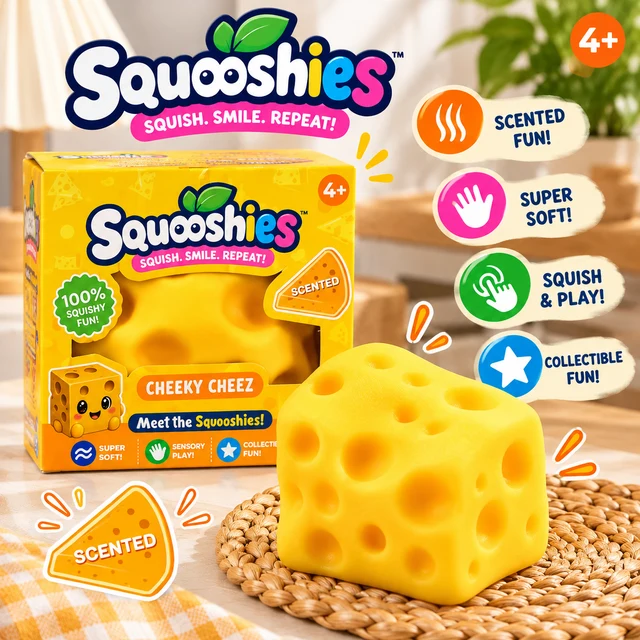

Some toys become popular because they are colourful, clever, or connected to a favourite character. Others attract attention because they offer a simple experience that people enjoy repeating. Slow-rising squishy toys belong to the second group. These soft toys compress when squeezed and gradually return to their original shape, creating a gentle movement that many people find satisfying.
Once mainly associated with children’s play, squishy toys are now enjoyed by teenagers and adults as well. They appear in gift collections, on study desks, in toy displays, and in short videos showing the slow recovery after each squeeze. Their appeal comes from a mix of playful designs, tactile enjoyment, and the simple pleasure of watching something slowly return to shape.
What Are Slow-Rising Squishy Toys?
Slow-rising squishy toys are soft objects that change shape when pressed and take a little time to recover. Many classic designs use flexible foam, while other squeeze toys may use different materials or fillings. The exact feel and recovery time can vary from one product to another.
Unlike a firm rubber ball that quickly springs back, a slow-rising squishy creates a more gradual movement. A person can press it down, release it, and watch as it slowly expands again. This is the main feature that distinguishes slow-rising designs from many other fidget toys.
They come in many shapes, including animals, desserts, bread, fruit, hearts, and simple geometric designs. Some are made to look realistic, while others use cute characters and bright colours. This variety allows people to choose a toy based on its appearance as well as its texture.
Why Are Slow-Rising Squishy Toys Becoming Popular?
The Slow-Rising Effect Is Satisfying to Watch
One of the biggest reasons for their appeal is the slow return to shape. The movement is easy to understand but interesting to watch. A toy that looks flattened gradually becomes rounded or full again.
This creates a small, repeatable experience: squeeze, release, watch, and repeat. Some people enjoy the physical sensation, while others like observing the movement. The effect is simple enough to enjoy without instructions or a complicated setup.
They Offer a Hands-On Experience
Many everyday activities now involve screens, whether people are studying, working, or relaxing. Squishy toys offer a small hands-on alternative.
The soft texture gives the fingers something to explore, and the repeated movement can be enjoyable during a short break. Some people keep a squishy on a desk or beside a chair so it is easy to reach when they want a simple tactile activity.
A squishy toy is not a treatment for stress or anxiety, but it may be an enjoyable part of a personal relaxation routine. People respond differently to sensory experiences, so it is best to choose a toy that feels comfortable rather than assuming every design will suit everyone.
Social Media Has Helped More People Discover Them
Slow-rising squishy toys are well suited to short videos. The change in shape is easy to see, and the process can be filmed from a close distance. Squeeze demonstrations, unboxing clips, collection videos, and sensory-focused content have helped introduce these toys to wider audiences.
Recent toy trends have also shown how social media can increase interest in tactile products. Coverage of squishy toys and related fidget products has connected their popularity with short-form videos, collecting, and the appeal of watching satisfying movements.
Online content can help people discover new designs, but it is still worth checking product details before buying. A video may not show the actual size, material, firmness, or durability of a toy.
The Appeal of Different Squishy Designs
Food-Inspired Squishies
Food-shaped squishies are popular because they turn familiar objects into playful toys. Designs may resemble bread, cakes, fruit, ice cream, or other treats.
Some people enjoy the realistic appearance, while others prefer colourful or cartoon-style versions. Food-inspired shapes can also be fun for pretend play, especially for younger children who enjoy setting up a pretend café or shop.
Animal and Character Squishies
Animal-shaped squishies offer a different kind of appeal. Cute faces, rounded shapes, and playful details can make them feel like small collectibles.
Children may use them in imaginative games, while teenagers may enjoy displaying them on a shelf or desk. The design can be just as important as the squeezing experience, especially for people who like collecting different characters.
Simple Shapes and Desk Toys
Not every squishy needs a detailed design. Cubes, balls, and other simple shapes can be practical for people who want something easy to hold and use.
A compact design may suit a desk or study area, while a larger toy may be more enjoyable at home. The right size depends on where the person plans to use it and how they prefer to hold it.
For playful gift ideas, explore the toys and games available at https://gifzy.co.uk/.
Why Children Enjoy Slow-Rising Squishies
Children are often drawn to toys that are easy to explore and offer an immediate response. Slow-rising squishies allow them to press, release, and observe what happens.
The toys can also become part of imaginative play. A squishy animal might become a character in a story, while a food-shaped design could be included in a pretend shop or kitchen.
Some children enjoy comparing different textures and shapes. Others may simply like the toy’s appearance. There is no single way a child needs to play with a squishy, provided the toy is suitable for their age and used safely.
Parents and caregivers should check age recommendations and avoid giving small or damaged toys to children who may put objects in their mouths.
Why Teenagers and Adults Enjoy Them Too
Squishy toys are no longer limited to younger children. Teenagers and adults may enjoy them as desk accessories, collectibles, or simple sensory items.
A teenager might choose a design that matches their personal style, while an adult may prefer a small, understated toy for a workspace. Some people enjoy keeping a collection of different shapes and textures, while others are happy with one favourite item.
The appeal is partly practical: squishy toys are easy to use, portable, and do not require batteries or a screen. They can be handled during a break or kept nearby as a small playful object.
Slow-Rising Squishies and Everyday Relaxation
A Simple Break Between Tasks
A squishy toy can be used during a short break from studying, working, or other activities. The person can pause, gently squeeze the toy, and focus on the movement for a moment.
This does not remove the cause of stress, but it may help create a small break in a busy routine. For some people, the repetitive action feels enjoyable; others may prefer stretching, walking, or listening to music.
A Sensory Activity for the Hands
The texture and resistance of a squishy toy provide a physical sensation that some people enjoy. Different materials and shapes offer different experiences, so it can be useful to try a few types before deciding which one feels best.
If a toy feels uncomfortable, sticky, too firm, or too soft, there is no need to continue using it. Sensory preferences are personal, and the most suitable option is the one the user finds pleasant.
How to Choose a Slow-Rising Squishy Toy
Check the Material and Feel
Product descriptions may mention foam, gel, or other materials. These can feel different when squeezed and may have different care requirements.
Consider whether the recipient prefers a soft, gradual squeeze or a firmer texture. If possible, check product details carefully rather than relying only on a photograph or video.
Choose a Design That Matches the User
For children, playful animals or food shapes may be appealing. Teenagers and adults may prefer simple shapes, unusual designs, or toys that suit their interests.
A thoughtful choice is more likely to be enjoyed when it reflects the recipient’s preferences. If you are buying a gift, consider their favourite colours, hobbies, or the types of toys they already enjoy.
Consider Size and Use
A small squishy may be easy to carry or keep on a desk. A larger design may be more suitable for home use.
Think about where the toy will be used most often. For a school or shared workspace, a quiet and compact option may be more practical than a large or distracting design.
Caring for Slow-Rising Squishy Toys
Squishy toys should be handled according to the manufacturer’s instructions. Avoid pulling them too hard, using sharp objects near them, or exposing them to excessive heat.
If the product can be wiped clean, use the recommended cleaning method and allow it to dry fully. Avoid soaking a toy unless the instructions specifically say it is safe to do so.
Check the toy regularly for tears, damage, or loose parts. Stop using it if the outer material breaks or the filling begins to escape. Proper care can help keep the toy in good condition for longer.
Slow-Rising Squishies as Gifts
Because they come in many shapes and styles, slow-rising squishy toys can make simple gifts for birthdays, celebrations, or everyday surprises.
A food-shaped design may suit someone who enjoys playful accessories, while an animal squishy may be a good choice for a child who likes cute characters. A small desk-friendly design could suit a teenager or adult who enjoys tactile items.
They can also be included in a gift bag with stationery, books, or other small presents. When choosing a gift, remember to check the age recommendation and select a design that matches the recipient’s interests.
You can also browse the squeeze and squishy toy collection here: https://gifzy.co.uk/collections/squeeze-squishy-toys.
Conclusion
Slow-rising squishy toys have grown in popularity because they combine a simple physical experience with playful designs and wide appeal. Their gradual return to shape can be satisfying to watch, while their soft textures offer a hands-on activity that some people enjoy during breaks or quiet moments.
Children may use them in imaginative play, while teenagers and adults may enjoy them as collectibles or desk companions. Social media has helped more people discover these toys, but choosing one should still come down to its material, quality, age suitability, and the preferences of the person who will use it.
A slow-rising squishy does not need complicated features to be enjoyable. Sometimes, the appeal is simply in squeezing a soft toy, letting it rise again, and enjoying the small moment of play.
