

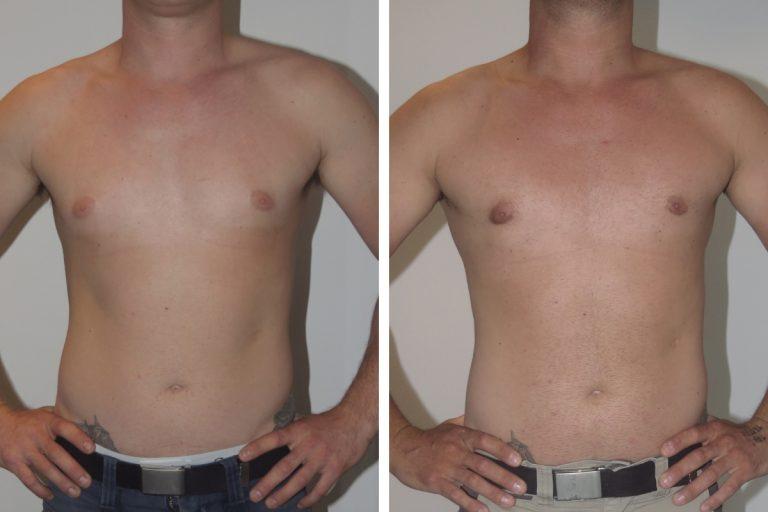
What Happens During the First Gynaecomastia Surgery Appointment at Tajmeels Clinic?

Considering gynaecomastia surgery can bring several questions, especially if it is your first time discussing male breast enlargement with a medical professional. Many men feel uncertain about what happens during the initial consultation, which examinations may be required, and how treatment decisions are made. Understanding the appointment process can help you feel more confident and prepared.
The first Gynaecomastia Surgery in Dubai appointment is an important step towards understanding the causes of chest enlargement and identifying suitable treatment options. Rather than immediately proceeding with surgery, the consultation focuses on your medical background, individual concerns, chest structure, and expectations.
Understanding Your Concerns and Treatment Goals
The appointment usually begins with a discussion about your concerns and reasons for considering male breast reduction surgery. Every patient has different experiences, so understanding your expectations is an important part of the consultation.
You may be asked questions about:
-
When you first noticed breast enlargement.
-
Whether the condition affects one or both sides of your chest.
-
Whether your chest appearance has changed over time.
-
Whether you experience tenderness or discomfort.
-
How chest enlargement affects your confidence and lifestyle.
-
What results you hope to achieve through treatment.
These discussions help the medical professional understand your priorities and determine which aspects require further evaluation.
Reviewing Your Medical History
A detailed medical history helps identify factors that may contribute to male breast enlargement and influence surgical suitability.
During this stage, the healthcare professional may ask about previous medical conditions, current medications, allergies, past surgeries, and any relevant family history.
Certain medications, hormonal changes, and underlying health conditions can contribute to gynaecomastia. Therefore, understanding your medical background is essential before recommending treatment.
Patients should also mention any supplements, prescribed medications, or previous treatments they have used. Providing accurate information supports safer clinical decision-making and helps identify whether additional medical investigations are necessary.
Physical Examination and Chest Assessment
A physical examination is another important part of the first gynaecomastia consultation. The medical professional evaluates the chest to understand the type and extent of enlargement.
The assessment may include examining:
-
The amount and distribution of chest tissue.
-
Differences between the left and right sides.
-
The presence of glandular tissue or excess fat.
-
Skin elasticity and quality.
-
Chest proportions and overall contour.
-
Any noticeable changes around the nipple area.
This examination helps distinguish true gynaecomastia, which involves enlarged glandular tissue, from pseudogynaecomastia, which is primarily associated with excess fatty tissue.
In some cases, both glandular tissue and excess fat contribute to chest enlargement. Identifying these differences is important because treatment approaches may vary depending on the underlying cause.
Discussing Possible Treatment Options
Once the initial assessment is complete, the healthcare professional can explain the available treatment options based on the patient's condition.
For some individuals, addressing an underlying medical cause or reviewing certain medications may be appropriate before considering surgery. However, persistent gynaecomastia may require surgical management.
Depending on the examination findings, treatment may involve:
Liposuction: This technique may be considered when excess fatty tissue contributes significantly to chest enlargement.
Glandular tissue removal: Surgical excision may be recommended when firm glandular tissue is responsible for breast enlargement.
Combined approach: Some patients may benefit from combining liposuction with glandular tissue removal to address different types of chest tissue.
The most appropriate approach depends on individual anatomy, tissue composition, skin quality, and medical suitability. Not every patient requires the same surgical technique.
Understanding Surgical Preparation and Safety
If surgery appears appropriate, the consultation may also cover the preparation process and medical assessments required before the procedure.
Depending on individual circumstances, these may include blood investigations, hormonal evaluation, or other tests to investigate the cause of breast enlargement.
Patients should understand that surgery involves potential risks, including bleeding, infection, scarring, changes in nipple sensation, asymmetry, and contour irregularities.
The healthcare professional should explain these considerations alongside the expected benefits and limitations of treatment.
You should also discuss smoking, medication use, existing health conditions, and recovery requirements. These factors can influence surgical planning and healing.
Discussing Recovery and Expected Results
Understanding recovery expectations is an important part of making an informed decision about gynaecomastia surgery.
During the consultation, patients can ask about the expected recovery timeline, postoperative discomfort, compression garments, and restrictions on physical activities.
Some swelling and bruising are common after surgery, and the final chest contour may take several months to become apparent as the tissues heal.
Patients should also understand that results vary according to individual anatomy, surgical technique, healing response, and adherence to postoperative instructions.
Following medical guidance and attending scheduled follow-up appointments can help monitor healing and identify any complications early.
Questions to Ask During Your First Appointment
Preparing questions before your consultation can make the appointment more productive. Consider asking:
-
What is causing my chest enlargement?
-
Am I a suitable candidate for gynaecomastia surgery?
-
Which surgical technique may be appropriate for my condition?
-
What medical tests might I need before surgery?
-
What risks and limitations should I understand?
-
How long could my recovery take?
-
What follow-up care will be required?
An open discussion helps ensure that your expectations are realistic and that you understand the treatment process before making a decision.
How Tajmeels Clinic Approaches Gynaecomastia Consultations
At tajmeels clinic dubai, the initial gynaecomastia surgery appointment focuses on understanding each patient's concerns, medical background, and individual chest characteristics. The consultation provides an opportunity to discuss male breast enlargement, review possible contributing factors, and assess whether surgical treatment may be appropriate. Treatment planning considers factors such as glandular tissue, excess fat, skin quality, and chest proportions. Patients can also discuss surgical approaches, preparation requirements, potential risks, and recovery expectations. This individualised approach supports informed decisions and helps patients understand the different stages involved in male breast reduction treatment.
Conclusion
The first gynaecomastia surgery appointment is primarily about assessment, education, and personalised treatment planning. From reviewing medical history and examining chest tissue to discussing surgical options and recovery, each stage helps determine the most appropriate next steps.
Taking time to understand your condition, asking relevant questions, and discussing realistic expectations can make the consultation more valuable. A thorough medical assessment is essential before deciding whether gynaecomastia surgery is the right option for you.
More Information
Tajmeels Clinic Dubai
WhatsApp: +971 56 203 8751
Phone: tel:+971 43739000
Social Media:

