


Practical Design Features for Supportive Cushions
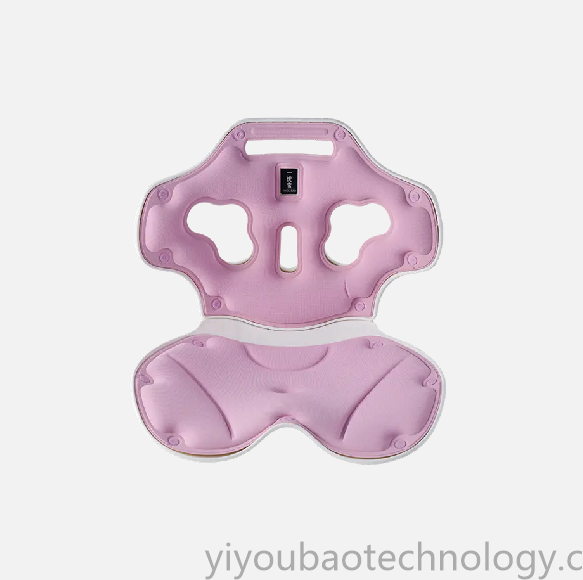
Different people experience seating comfort in different ways. Body proportions, chair dimensions, working habits, and personal preferences all influence how a person sits throughout the day. A well-designed Adjustable Lumbar Support Cushion offers greater flexibility by allowing users to change its position or configuration according to their seating needs. For furniture brands and commercial buyers, developing this type of product involves more than adding an adjustment feature. The cushion's shape, materials, attachment structure, and ease of operation must work together as a complete system.
Product development begins with the intended application. Office chairs, gaming chairs, vehicle seats, and home furniture have different backrest profiles and attachment conditions. A cushion designed for one chair may not fit another properly, so designers should identify the target seating categories before finalizing the product structure. Backrest curvature, available space, surface materials, and user positioning all affect the design. The cushion should complement the chair rather than interfere with its existing functions or adjustment mechanisms.
The shape of the cushion determines how it contacts the lower-back area. Designers may use curved surfaces, gradual transitions, and carefully balanced thickness to create a comfortable profile. Excessively prominent contours can feel restrictive for some users, while a flat structure may not provide the intended level of contact. Testing different prototypes helps identify a suitable balance. It is also important to consider how the cushion behaves when users lean backward, move slightly, or change their sitting position during normal activities.
Adjustment mechanisms are central to product usability. Depending on the design, manufacturers may use straps, buckles, repositionable fasteners, or other attachment structures. These components should make positioning straightforward while holding the cushion securely during use. A fastening system that is difficult to operate can discourage adjustment, while one that is too loose may allow unwanted movement. Designers should consider the strength of attachment points, the ease of reaching adjustment components, and the stability of the cushion on different chair surfaces.
Material selection influences both support and comfort. Foam materials vary in resilience, firmness, compression response, and recovery. A suitable material should respond to pressure while retaining the intended shape under repeated use. Materials that compress too easily may lose their original profile, whereas overly firm options may not provide the desired seating experience. The selection process should consider the cushion's geometry, expected usage conditions, and the way the internal material interacts with the cover and attachment system.
The outer cover contributes to durability, appearance, and maintenance. Breathable fabrics may be suitable for office environments, while other applications may prioritize abrasion resistance or easy cleaning. The cover should fit securely without restricting the cushioning structure or adjustment features. Reinforced seams and carefully finished edges can help withstand repeated handling. If the product includes straps or other movable components, their connection to the cover should be evaluated to reduce the risk of tearing or loosening during normal use.
Manufacturing consistency is important when moving from prototype development to larger production runs. Variations in cushion dimensions, filling distribution, stitching, or fastening assembly can affect product fit and performance. Quality control may include incoming material inspection, dimensional checks, visual assessment, and functional testing of adjustment components. Repeated-use evaluations can help identify weaknesses in straps, fasteners, and other moving parts. Documented inspection criteria also help buyers and manufacturers maintain consistent expectations across orders.
Customization can help businesses position products for different customer groups. Furniture brands may request changes to cushion profiles, dimensions, fabrics, colors, branding, and packaging. Before development begins, buyers should provide information about target chair types, expected usage, market preferences, and sales channels. Sample approval should cover not only appearance but also fit, adjustment range, attachment stability, and ease of maintenance. Recording approved materials and construction details can support consistency during repeat production.
Supplier selection should include an assessment of technical capability, production planning, communication, and quality management. Buyers may need to understand how a manufacturer handles material changes, sample revisions, inspection reports, and delivery schedules. Clear agreements about packaging and defect handling can also reduce uncertainty. These considerations become particularly important for distributors and private-label businesses that depend on consistent product presentation across multiple orders.
A successful Adjustable Lumbar Support Cushion combines adaptable positioning with appropriate cushioning, reliable attachment, and practical construction. Evaluating these elements together helps businesses choose products suited to their intended seating applications. Yongkang Yiyoubao Technology Co., Ltd. offers seating comfort products for different market requirements. Buyers can explore the available range at https://www.yiyoubaotechnology.com/product/lumbar-supports-seat-cushions/ when evaluating options for their furniture and accessory portfolios.

 Bangla