


Can Septorhinoplasty Improve Both Form and Function?
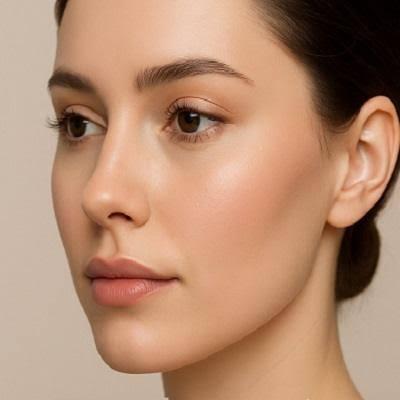
People who have concerns about their nose may experience both cosmetic issues and breathing difficulties. Septorhinoplasty in Dubai combines two surgical approaches to address selected concerns involving nasal appearance and internal structure. At Dynamic Life Clinic, patients can discuss changes they would like to make to their nose and receive an assessment of any breathing problems. The procedure may improve nasal shape while correcting a deviated septum, helping suitable patients achieve better facial balance and nasal airflow through one surgical plan.
Understanding the Difference Between Nasal Form and Function
Nasal form refers to the external appearance of the nose, including its size, shape, bridge, tip, and alignment with other facial features. Nasal function mainly relates to how effectively air moves through the nasal passages. A person may have a visible nasal irregularity without experiencing breathing difficulties, while another may have an internal structural problem that affects airflow without changing the nose's external appearance. Some individuals experience both concerns, making it important to assess the internal and external nasal structures before selecting a surgical approach.
How Septorhinoplasty Addresses Both Concerns
Septorhinoplasty combines septoplasty and rhinoplasty to address functional and cosmetic concerns during the same operation. Septoplasty focuses on correcting a deviated nasal septum, which may narrow one or both nasal passages. Rhinoplasty involves reshaping the external nasal framework, including the nasal bones and cartilage. Depending on the patient's anatomy, the surgeon may improve nasal alignment, refine selected features, and correct internal structural problems that contribute to breathing obstruction. Combining these approaches can provide a coordinated treatment plan when both types of correction are necessary.
Improving Nasal Appearance Through Structural Changes
The cosmetic part of septorhinoplasty focuses on creating a balanced nasal shape that suits the patient's facial proportions. The surgeon examines the bridge, tip, width, projection, and overall alignment before deciding which changes are appropriate. Depending on the individual case, treatment may involve:
-
Bridge refinement: Adjusting the nasal bridge to address a hump, uneven contour, or other structural irregularity.
-
Tip reshaping: Modifying cartilage to improve a broad, rounded, or drooping nasal tip.
-
Nasal alignment: Correcting selected structural irregularities that contribute to a crooked appearance.
-
Width adjustment: Repositioning nasal bones or modifying other structures when appropriate.
-
Structural support: Using cartilage grafts in selected cases to support the nasal framework and maintain stability.
The surgeon must preserve sufficient structural support because excessive removal or alteration of tissue can affect both appearance and breathing.
Supporting Better Nasal Airflow
Breathing difficulties may develop when a deviated septum restricts the space inside one or both nasal passages. Septoplasty corrects the affected portion of the septum by repositioning or reshaping selected cartilage and bone. This may create a more open passage and improve airflow when the deviation is the main cause of obstruction. However, nasal congestion can also result from allergies, enlarged turbinates, inflammation, or nasal valve problems. These conditions require separate assessment, and correcting the septum alone may not resolve every breathing concern.
The Importance of Balancing Appearance and Breathing
Successful septorhinoplasty requires attention to both the external nasal shape and the internal structures responsible for airflow. A nose that appears narrower or more refined should still have adequate support and sufficient space for comfortable breathing. The surgeon considers cartilage strength, septal position, nasal valve function, and the relationship between the bridge and tip before planning changes. This balanced approach helps reduce the risk of cosmetic adjustments interfering with nasal function and supports a result that is appropriate for the patient's anatomy.
Factors That Influence the Surgical Approach
Every patient has different nasal structures and treatment goals, so the procedure must be planned individually. Several factors influence whether septorhinoplasty can address both form and function.
-
Septal deviation: The location and severity of the deviation help determine the functional correction required.
-
External nasal shape: The bridge, tip, width, and alignment influence the cosmetic part of the procedure.
-
Nasal valve structure: Narrowing or weakness in this area may require additional support or correction.
-
Previous nasal surgery: Earlier procedures or injuries can affect available cartilage and surgical complexity.
-
Skin thickness: Skin characteristics influence how clearly certain refinements may appear after swelling settles.
-
General health: Medical history, medications, allergies, and healing factors are reviewed before surgery.
-
Personal expectations: Patients should understand what changes are realistic and which concerns may need separate treatment.
Recovery After Septorhinoplasty
Recovery involves healing of the internal nasal passages and the external nasal framework. Patients may experience swelling, bruising, tenderness, temporary congestion, and mild bleeding during the early stages. A splint or internal support may be used depending on the surgical technique. Following the surgeon's instructions regarding medication, nasal care, sleeping position, and physical activity is important during recovery. Swelling gradually decreases, allowing the shape of the nose to become clearer, although tip swelling can persist for several months and final results may take a year or longer to develop.
Checkpoint: Important Considerations Before Surgery
Although septorhinoplasty can address cosmetic and functional concerns together, patients should understand its limitations and possible risks before proceeding.
-
Individual results: The degree of improvement depends on nasal anatomy, the underlying problem, and the surgical approach.
-
Breathing outcomes: Airflow may improve when structural obstruction is corrected, but other causes of congestion can remain.
-
Possible complications: Bleeding, infection, septal perforation, persistent obstruction, asymmetry, altered sensation, and scarring may occur.
-
Structural preservation: Adequate cartilage and bone support must be maintained to protect nasal stability.
-
Revision surgery: Further treatment may sometimes be necessary if healing or the final result does not meet expectations.
-
Medical suitability: A complete health assessment helps determine whether surgery is appropriate.
Dynamic Life Clinic: Individualised Nasal Treatment Planning
Dynamic Life Clinic offers consultations for individuals considering nasal surgery to improve appearance or address breathing concerns. The medical team can assess the external shape of the nose, examine the septum, and discuss symptoms that may indicate structural obstruction. Based on the findings, the surgeon can explain whether a combined procedure or a different surgical approach is more suitable. Personalised planning helps patients understand the expected changes, recovery requirements, and possible risks before making a treatment decision.
Frequently Asked Questions
Patients considering septorhinoplasty often want to know how the procedure affects nasal appearance, breathing, and recovery. The following answers explain some important aspects of combining functional and cosmetic nasal surgery.
1. Can septorhinoplasty improve nose shape and breathing at the same time?
Yes, it can address both concerns when a patient has an external nasal irregularity and a structural problem affecting airflow. The surgeon plans the cosmetic and functional corrections according to the patient's anatomy and treatment needs.
2. Does septorhinoplasty always improve breathing?
No, improved breathing is not guaranteed. The procedure may help when a deviated septum or another correctable structural issue causes obstruction, but allergies, inflammation, and other nasal conditions may require additional treatment.
3. Can septorhinoplasty change the size and shape of the nose?
The rhinoplasty component may modify selected features such as the bridge, tip, width, or alignment. The extent of change depends on the patient's nasal structure, available tissue, and realistic surgical goals.
4. Is septorhinoplasty different from having septoplasty and rhinoplasty separately?
Septorhinoplasty combines functional septal correction and external nasal reshaping within one surgical procedure. Whether combining them is appropriate depends on the patient's concerns and the surgeon's assessment.
5. How long does recovery take after septorhinoplasty?
Early recovery generally involves swelling, bruising, and temporary congestion that gradually improve. The nose continues to settle over several months, and the final contour may take a year or longer to become clear.
Conclusion
Septorhinoplasty can improve both nasal form and function when a patient has cosmetic concerns alongside a correctable internal structural problem. By combining septal correction with external reshaping, the procedure may improve nasal alignment, refine selected features, and support better airflow. However, results depend on individual anatomy, the cause of breathing difficulties, and careful surgical planning. A consultation with a qualified surgeon helps determine whether this combined approach is suitable and what improvements can realistically be expected.

 Bangla