

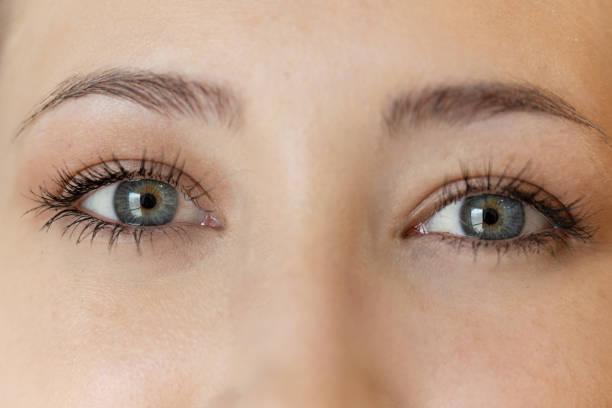

Facial harmony depends on how different features work together, and the eyes play an important role in creating a balanced appearance. Changes such as loose eyelid skin, under-eye bags, and reduced skin elasticity can affect the way the eyes relate to the surrounding facial features. These changes may develop gradually with age or reflect inherited characteristics. Understanding how Eyelid surgery in Riyadh (جراحة رأب الجفن في الرياض) can address selected concerns around the eyes helps individuals explore ways to refine their appearance without unnecessarily changing their natural features.
Every face has its own proportions, eye shape, and eyelid structure. Some people have naturally prominent upper eyelid folds, while others develop excess skin or puffiness over time. A suitable treatment plan should consider these differences rather than aim for one standard appearance. Eyelid surgery in Riyadh may help appropriate candidates improve specific eyelid concerns while maintaining natural facial expression and comfortable eye function.
Understanding the Relationship Between the Eyes and Facial Features
The eyes do not exist independently of the rest of the face. Their appearance is influenced by the eyebrows, forehead, cheeks, and surrounding skin. Even a small change in eyelid position or skin folds can affect how open, balanced, or refreshed the face appears.
As skin elasticity decreases, excess tissue may gather over the upper eyelids and partially cover the natural crease. This can create a heavier appearance. Beneath the eyes, prominent fatty tissue may produce bags, while volume loss can create hollows and shadows. These changes vary from person to person and may require different treatment considerations.
Genetics also influence natural eyelid characteristics. Some individuals naturally have fuller eyelids or less visible creases without any age-related changes. A professional assessment helps distinguish normal anatomical features from concerns that may benefit from surgery.
How Eyelid Surgery Can Refine Natural Features
Upper Eyelid Blepharoplasty
Upper eyelid blepharoplasty is designed to address excess skin that gathers over the upper eyelids. The surgeon generally makes an incision within the natural eyelid crease and removes a carefully measured amount of loose skin. Selected underlying tissue may also be adjusted when clinically appropriate.
The aim is to create a more defined upper eyelid contour while respecting the individual's natural eye shape. Preserving enough skin is essential for comfortable eyelid closure and normal movement. Removing too much tissue can create an overly tight appearance or interfere with eyelid function, making careful surgical planning important.
Lower Eyelid Blepharoplasty
Lower eyelid surgery may be considered when prominent fatty tissue contributes to persistent under-eye bags. Depending on the patient's anatomy, the surgeon may remove or reposition selected fat to create a smoother transition between the lower eyelid and cheek.
The incision may be placed beneath the eyelashes or inside the lower eyelid. The choice depends on skin quality, fat prominence, and whether excess skin also needs attention. Lower eyelid surgery does not necessarily correct pigmentation or hollowing, so the cause of each concern should be assessed separately.
Combined Eyelid Procedures
Some individuals have concerns involving both the upper and lower eyelids. In selected cases, a surgeon may recommend treating both areas as part of a coordinated plan. This can address different structural changes while considering how the upper and lower eyelids contribute to the overall facial appearance.
Combined surgery is not necessary for everyone. The decision depends on the individual's health, anatomy, expectations, and recovery needs. A specialist should recommend treatment according to the specific concerns rather than suggesting additional procedures without a clear reason.
The Importance of Maintaining Facial Balance
A natural-looking result should complement existing facial characteristics. The position of the eyebrows, the shape of the eyelid crease, and the distribution of tissue around the eyes all influence the final appearance. For this reason, a surgeon evaluates the entire eye area before selecting a technique.
A low eyebrow can contribute to upper eyelid heaviness, while true eyelid ptosis involves a problem with the mechanism that lifts the eyelid. These conditions may look similar but can require different surgical approaches. Removing excess skin alone may not address the underlying cause if brow position or muscle function is responsible.
The goal of personalized treatment is to make appropriate adjustments while preserving natural expression. Eyelid surgery does not change the size of the eyeballs or the underlying bone structure, and it cannot guarantee perfect symmetry. Realistic planning helps patients understand the type of refinement that may be possible.
Who May Consider Eyelid Surgery?
Adults who are concerned about persistent excess eyelid skin, prominent under-eye bags, or changes in eyelid contours may wish to consult a qualified specialist. Suitable candidates should have realistic expectations and understand the procedure's potential benefits and limitations.
A medical assessment is important before surgery. Dry eyes, previous eye procedures, certain medical conditions, and difficulty closing the eyelids may influence suitability. Patients should discuss their health history, medications, and existing eye symptoms during consultation. Any changes in vision should receive appropriate medical evaluation.
Recovery and Expected Outcomes
Swelling, bruising, tightness, and temporary irritation are common after eyelid surgery. These effects generally improve over the first few weeks, although subtle swelling and scar refinement may continue for several months. Recovery varies depending on the technique used and the individual's healing response.
Following aftercare instructions is essential. Patients may be advised to use prescribed ointments, protect the eyes, avoid rubbing the treated area, and temporarily limit strenuous activities. Sudden vision changes, severe pain, significant bleeding, or rapidly increasing swelling require prompt medical attention.
Results can be long-lasting, but natural ageing continues after surgery. The procedure may refine selected structural features, but it does not remove every fine line, dark circle, or sign of skin ageing.
Book a Consultation at Royal Clinic Saudi
Understanding your natural eyelid structure is an important part of choosing an appropriate treatment. At Royal Clinic Saudi (عيادات رويال كلينك), individuals can arrange a consultation to discuss their aesthetic concerns and learn whether upper or lower eyelid surgery may be suitable. A specialist can assess facial proportions, explain available techniques, and discuss expected results, potential risks, and recovery requirements before treatment.
FAQs:
1. Can eyelid surgery enhance natural facial features?
It may refine selected eyelid contours while preserving the individual's natural eye shape and facial expression.
2. Does eyelid surgery change the shape of the eyes?
The procedure is generally planned to maintain natural features, although individual results depend on anatomy and surgical technique.
3. Can eyelid surgery correct both upper and lower eyelid concerns?
Yes, selected patients may be suitable for combined treatment after a professional assessment.
4. How long do eyelid surgery results last?
Results can be long-lasting, although the natural ageing process continues over time.
