


Can Welding Automation Equipment Fit Your Factory Needs?
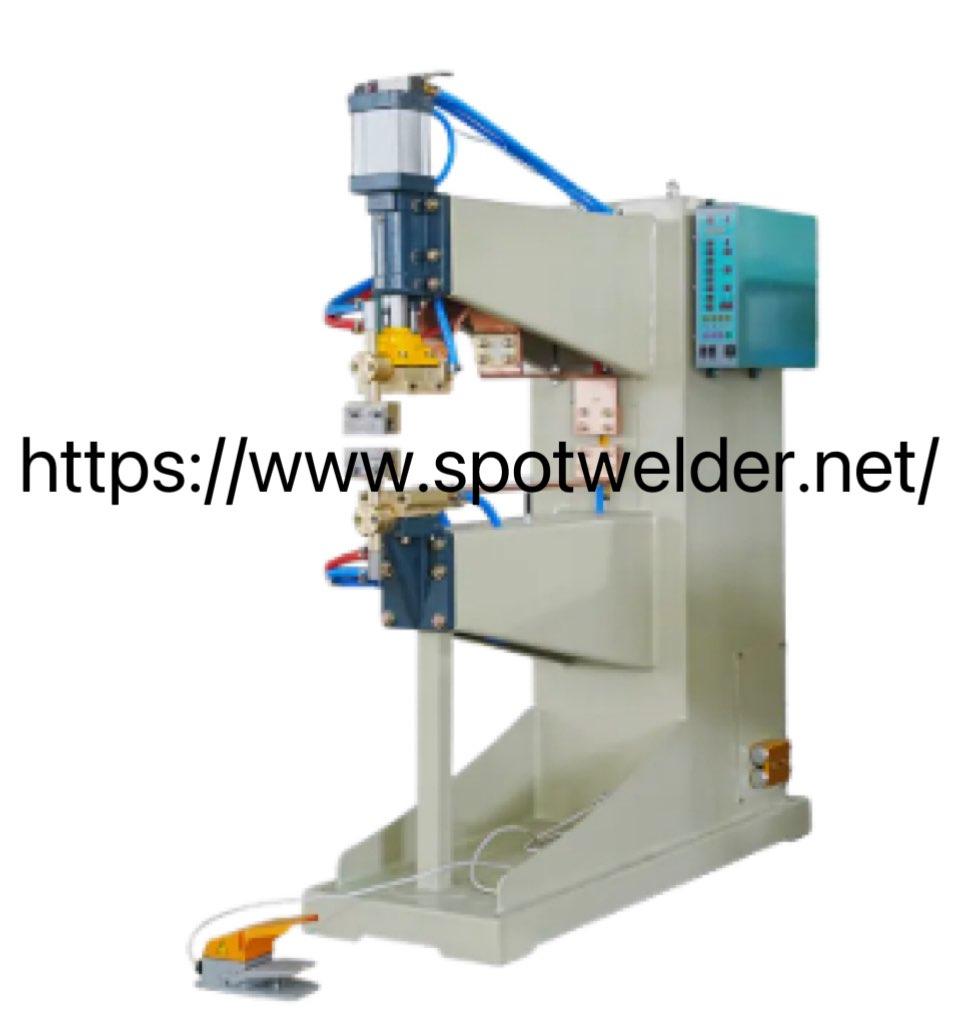
Welding Automation Equipment is an important investment for manufacturers seeking to improve production organization and reduce repetitive manual operations. Before selecting a system, buyers should examine their current workflow, product specifications, workshop conditions, and future capacity requirements. A clear purchasing plan helps businesses identify suitable machine functions, understand installation needs, and communicate technical expectations with suppliers. Decisions should reflect actual manufacturing tasks rather than appearance or a single specification.
Define Product Requirements and Daily Tasks
Begin by identifying the components that will be handled by the proposed system. Their dimensions, material types, thickness, shapes, and joint positions can influence the required configuration. A solution designed for small repeated parts may not be appropriate for large assemblies or products with changing dimensions.
Prepare technical drawings, sample components, and a description of expected production volume. These materials give suppliers a clearer understanding of the application. Buyers should also explain whether the factory produces one product continuously or handles several product models within the same facility.
Production frequency is another important consideration. A system intended for regular high-volume tasks may require a different arrangement from one used for occasional orders or small batches. Defining these details early can prevent mismatches between machine functions and daily operations.
Review the Main Configuration
An automated production station may contain a power source, control unit, positioning mechanism, fixtures, sensors, and protective structures. Buyers should request a detailed configuration list and ask suppliers to explain the purpose of each major component.
Check whether available operating modes, adjustment functions, and control interfaces match the factory's requirements. If products vary in size or structure, ask how settings can be changed between production tasks. Clear operating instructions can also reduce the learning time required by new operators.
Discuss optional functions separately. Some features may be necessary for a particular application, while others may add complexity without providing practical value. Reviewing the configuration helps buyers focus on functions that support their production objectives.
Assess Fixture Design and Component Positioning
Consistent component positioning supports repeatable processing. Buyers should examine how parts are loaded, clamped, aligned, and removed during normal operation.
The fixture should hold each component securely while allowing convenient access to the required processing areas. Consider whether operators can complete loading and unloading without excessive movement. For factories handling multiple product sizes, adjustable fixtures or interchangeable tooling may be worth discussing.
Request a sample test with representative components whenever possible. A practical demonstration can show whether the proposed arrangement accommodates the actual part structure. It can also reveal potential issues involving clearance, clamping pressure, positioning accuracy, and operator access.
Check Workshop Layout and Safety Arrangements
Before confirming an order, measure the available workshop area and compare it with the proposed machine dimensions. The installation plan should include space for loading materials, removing finished components, accessing control panels, and carrying out maintenance.
Buyers should also review electrical requirements, ventilation conditions, and connections with nearby production systems. If the new station will be integrated into an existing line, clarify how materials and components will move between workstations.
Safety arrangements should be discussed before delivery. Depending on the application, protective covers, safety guards, emergency stop devices, and operating procedures may be required. Ask the supplier to provide relevant technical documentation and explain the responsibilities for installation checks and operator instruction.
Establish Measurable Quality Criteria
A product demonstration should be evaluated against clearly defined requirements. Before arranging a trial, buyers should specify expected appearance, joint consistency, dimensional accuracy, and other product-related inspection criteria.
Use several representative samples instead of relying on one demonstration piece. Different samples can help reveal how the system responds to variations in material condition, component dimensions, and assembly positioning.
The purchasing team should also discuss production cycle expectations and parameter adjustment methods. Ask whether operating settings can be recorded and whether inspection results can be documented. Written acceptance criteria give both parties a shared reference during testing and delivery.
Calculate Maintenance and Operating Costs
Purchase price is only one part of long-term ownership. Buyers should consider electricity consumption, consumables, replacement parts, routine inspections, and technical service requirements.
Ask the supplier which components need regular inspection and what maintenance procedures operators should follow. Check whether commonly used spare parts are available and how technical issues can be reported.
Training arrangements also deserve attention. Operators need practical guidance on startup, parameter adjustment, daily checks, and basic troubleshooting. Maintenance personnel may need additional instructions for component inspection and replacement.
Before signing the agreement, review warranty coverage, service responsibilities, documentation, and communication channels. These details help the factory prepare for daily operation after installation.
Compare Supplier Proposals Carefully
When reviewing several suppliers, use a consistent evaluation list. Compare configuration details, sample test results, installation services, maintenance needs, delivery arrangements, training, and technical support.
Do not rely only on a quotation or a short demonstration. Ask each supplier to explain how the proposed system addresses your production requirements. Any differences in configuration should be discussed before the purchasing decision is finalized.For manufacturers considering an automated production upgrade, spotwelder offers product options for different application requirements. Visit https://www.spotwelder.net/product/ to review available products and discuss component specifications, configuration details, and production arrangements with the supplier. Providing technical drawings, sample information, and expected output can help both sides develop a practical purchasing plan before an order is placed.

 Bangla