


How to Make Natural and Handmade Soaps Using a Soap Making Kit
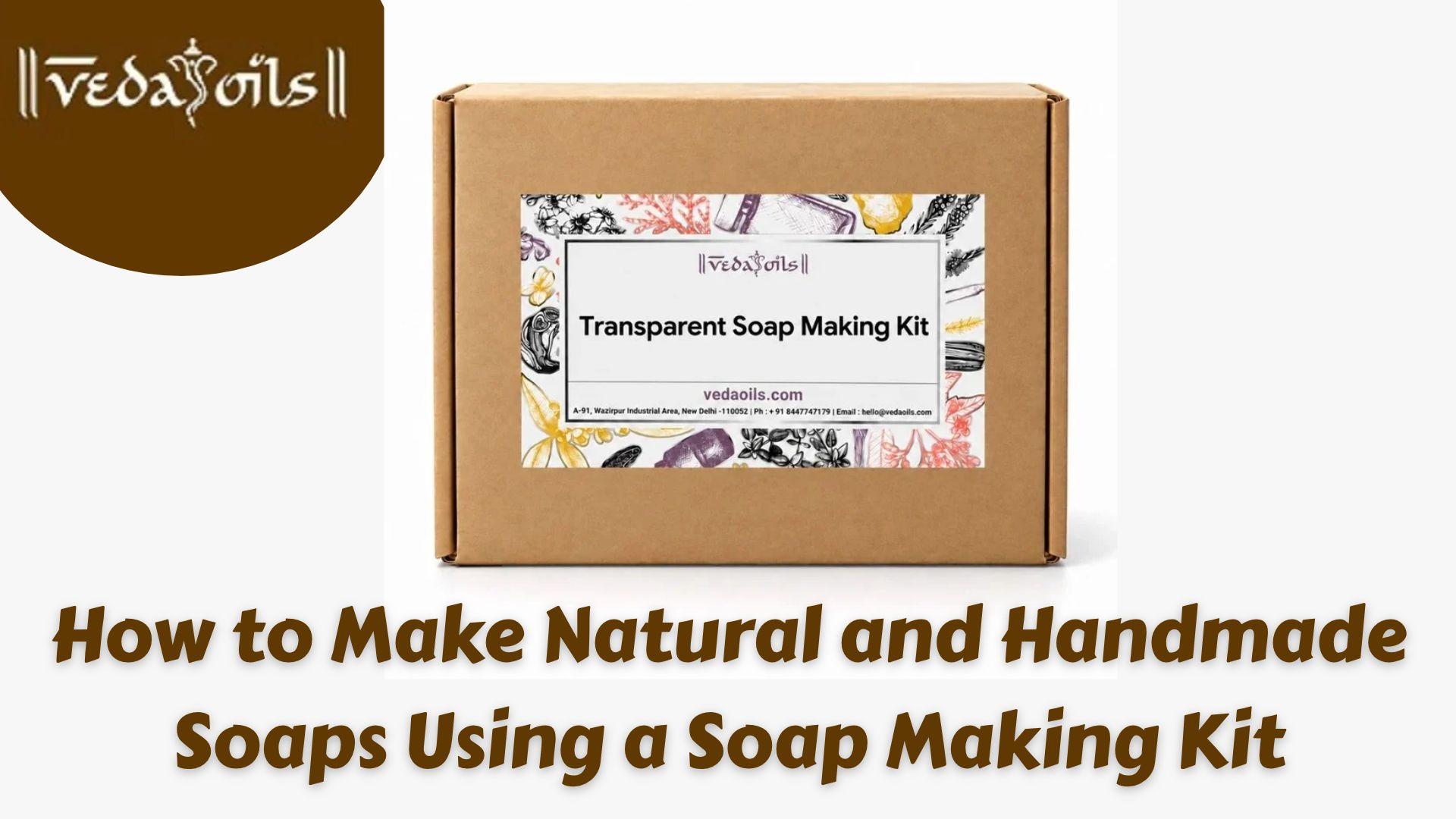
Handmade soaps are becoming increasingly popular among people who prefer natural ingredients and personalized skincare products. Unlike many commercially available soaps, handmade soaps allow you to choose your preferred oils, fragrances, colors, and skin-friendly ingredients. Whether you are a beginner exploring DIY skincare or an experienced soap maker, using a Soap Making Kit makes the soap-making process easier, more convenient, and enjoyable.
With the right ingredients and basic equipment, you can create beautiful handmade soaps at home. In this guide, we will explain how to make natural and handmade soaps using a soap-making kit, the ingredients you need, and some useful tips for achieving the best results. You can also explore quality soap-making ingredients and supplies from VedaOils to make your DIY soap-making experience more creative.
What Is a Soap-Making Kit?
A soap-making kit is a collection of essential ingredients, tools, and accessories required to prepare handmade soaps. It is specially designed to simplify the soap-making process, particularly for beginners who want to experiment with different soap formulations.
Most soap-making kits include essential supplies such as:
-
Soap Base: A ready-to-use base that can be melted and customized.
-
Soap Moulds: Different shapes and sizes for creating attractive soap bars.
-
Fragrance Oils: Ingredients that add pleasant scents to handmade soaps.
-
Soap Colors: Pigments or colorants used to create visually appealing soaps.
-
Mixing Accessories: Tools for stirring and blending ingredients.
-
Additional Ingredients: Depending on the kit, you may also find essential oils, dried herbs, and decorative additives.
Using a soap-making kit helps beginners understand the basic soap-making process without purchasing every ingredient separately.
Essential Ingredients Required for Making Natural Handmade Soaps
Before starting the soap-making process, it is important to understand the ingredients that help create quality handmade soaps. Choosing suitable ingredients can improve the appearance, fragrance, and overall formulation of your soap.
1. Melt and Pour Soap Base
A melt-and-pour soap base is one of the easiest options for beginners. It is available in different varieties, including glycerin, shea butter, goat milk, and aloe vera soap bases.
Simply melt the soap base, add your preferred ingredients, and pour the mixture into molds.
2. Essential Oils
Essential oils are commonly used to add natural aromatic qualities to handmade soaps. Some popular options include:
-
Lavender Essential Oil
-
Rosemary Essential Oil
-
Peppermint Essential Oil
-
Tea Tree Essential Oil
-
Lemongrass Essential Oil
Always check the recommended skin-safe usage levels and relevant product documentation before adding essential oils to soap formulations.
3. Carrier Oils and Butters
Carrier oils and natural butters are popular ingredients in handmade soap formulations. They can contribute to the conditioning properties and texture of soap.
Some commonly used options include:
-
Coconut Oil
-
Sweet Almond Oil
-
Olive Oil
-
Castor Oil
-
Shea Butter
-
Cocoa Butter
For melt-and-pour soap, add oils and butters in controlled quantities because excessive additions can affect the soap's hardness, lather, and stability.
4. Natural Soap Colors
Soap colors help make handmade soaps more attractive and creative. You can choose suitable cosmetic-grade colorants, mica powders, and approved soap pigments to create different shades.
5. Soap Fragrance Oils
Fragrance oils are useful for creating soaps with different scent profiles. Popular choices include floral, fruity, woody, and refreshing fragrances. Always select fragrance oils suitable for soap applications and follow their recommended usage limits.
How to Make Natural and Handmade Soaps Using a Soap Making Kit
Making handmade soaps using a soap-making kit is a simple and enjoyable DIY activity. Follow these steps to prepare your customized soap bars.
Step 1: Collect All the Required Materials
First, arrange all the ingredients and tools included in your soap-making kit. You will need a soap base, suitable fragrance or essential oils, soap colors, silicone molds, a heat-resistant container, a spatula, and a weighing scale.
Keep your workspace clean and dry before starting the process.
Step 2: Cut the Soap Base into Small Pieces
Take your preferred soap base and cut it into small, equal-sized cubes. Smaller pieces melt more evenly and help reduce the time required for preparation.
You can select a glycerin, goat milk, shea butter, or aloe vera soap base depending on your desired soap formulation.
Step 3: Melt the Soap Base
Place the soap base pieces in a heat-resistant container. Melt them using a double boiler or microwave in short intervals, stirring gently between intervals.
Avoid overheating the soap base because excessive heat can affect its texture and appearance.
Step 4: Add Natural Oils and Fragrance
Once the soap base has completely melted, allow it to cool slightly according to the manufacturer's instructions.
Add a suitable quantity of essential oil, fragrance oil, or compatible carrier oil. Stir gently to distribute the ingredients evenly.
For example, lavender essential oil can be used to create a floral-scented soap, while lemongrass essential oil offers a fresh, citrusy aroma.
Step 5: Add Soap Colors
Now add your preferred soap colorant to the melted mixture. You can use cosmetic-grade mica powders or soap colorants to achieve different shades.
Start with a small quantity and mix thoroughly until the color becomes uniform.
You can also experiment with multiple colors to create layered, marble-effect, or decorative handmade soaps.
Step 6: Pour the Mixture into Soap Molds
Carefully pour the prepared soap mixture into silicone molds.
Tap the mold gently to release trapped air bubbles. If necessary, use a suitable soap-making surface spray, following its instructions, to minimize surface bubbles.
You can choose different mold shapes, such as flowers, hearts, geometric designs, or traditional soap bars.
Step 7: Allow the Soap to Set
Leave the molds undisturbed until the soap becomes completely solid. Setting time depends on the soap base, mold size, and room temperature.
Once the soap has hardened, gently remove it from the mold.
Step 8: Package and Store Your Handmade Soap
Your handmade soap is now ready to use. Store it in suitable packaging to protect it from moisture, dust, and contamination.
For glycerin-rich soap bases, airtight packaging can also help reduce moisture absorption and surface sweating.
Important: Melt-and-pour soap is different from cold-process soap making. Cold-process soap requires handling sodium hydroxide (lye), precise formulation, and an appropriate curing period. Never substitute a melt-and-pour recipe with a cold-process recipe.
Popular Types of Handmade Soaps You Can Make Using a Soap Making Kit
One of the biggest advantages of using a soap-making kit is the ability to experiment with different soap varieties. Here are some popular handmade soap ideas.
1. Glycerin Handmade Soap
Glycerin soap is a popular choice for DIY soap-making projects. Its transparent appearance makes it suitable for decorative soaps, layered designs, and colorful creations.
2. Goat Milk Handmade Soap
Goat milk soap is known for its creamy appearance and is frequently used in personal care formulations. It is a suitable option for people interested in creating traditional handmade soaps.
3. Shea Butter Handmade Soap
Shea butter soap is popular because of its rich and creamy formulation. It can be used to create handmade soaps designed for a smooth and conditioning bathing experience.
4. Herbal Handmade Soap
Herbal soaps can be prepared using suitable botanical ingredients, such as dried flowers, herbal powders, and compatible essential oils. They are ideal for people who enjoy natural-inspired skincare products.
5. Aloe Vera Handmade Soap
Aloe vera soap is another popular DIY option. Its refreshing appearance and botanical positioning make it suitable for everyday personal care products.
Benefits of Using a Soap Making Kit
A soap-making kit offers several advantages for beginners, hobbyists, and small-scale soap-making businesses.
1. Easy for Beginners
A soap-making kit provides many of the basic supplies required to prepare handmade soaps, making it easier for beginners to understand the process.
2. Encourages Creativity
You can experiment with different colors, fragrances, soap bases, and mold designs to create customized soap products.
3. Saves Preparation Time
Having essential ingredients and accessories together reduces the time spent sourcing individual soap-making materials.
4. Suitable for DIY Projects
A soap-making kit is ideal for home-based DIY projects, creative hobbies, gifting, and small-batch soap preparation.
5. Supports Product Customization
You can develop different soap varieties by combining suitable soap bases, fragrance oils, colorants, and botanical ingredients.
Tips for Making High-Quality Handmade Soaps
If you want to achieve better results when preparing handmade soaps, consider the following tips:
-
Choose Quality Ingredients: Always purchase suitable soap bases, oils, and colorants from reliable suppliers.
-
Measure Ingredients Properly: Use a weighing scale to maintain consistency in your formulations.
-
Avoid Overheating: Excessive heat can affect the quality and appearance of the melted soap base.
-
Use Skin-Safe Fragrances: Check the recommended usage levels and application guidelines for every fragrance.
-
Select Appropriate Molds: Silicone molds are convenient because they make soap removal easier.
-
Maintain Cleanliness: Use clean tools, containers, and working surfaces throughout the process.
-
Store Properly: Protect finished soaps from moisture, dust, and direct sunlight.
Where to Buy Quality Soap Making Supplies Online?
Choosing the right ingredients and accessories is important for creating attractive and consistent handmade soaps. Whether you are a beginner, DIY enthusiast, or small-scale soap manufacturer, purchasing quality soap-making supplies can make your work easier.
VedaOils offers a range of soap-making ingredients and supplies, including soap bases, essential oils, carrier oils, fragrance oils, soap colors, and other raw materials used in personal care formulations.
You can explore different ingredients according to your soap-making requirements and experiment with various formulations, fragrances, and designs.
When purchasing a soap-making kit or individual soap-making ingredients, consider the following factors:
-
Ingredient quality and consistency.
-
Suitability for soap-making applications.
-
Product specifications and usage instructions.
-
Packaging and storage conditions.
-
Availability of different quantities for DIY and bulk requirements.
Selecting the right supplies from VedaOils can help you explore creative soap-making ideas and develop customized handmade soap products.
Conclusion
Making natural and handmade soaps using a soap-making kit is an enjoyable way to explore DIY skincare and creative product development. From selecting the right soap base to adding essential oils, fragrances, and natural-inspired colors, every step allows you to customize your soap according to your preferences.
Whether you want to prepare glycerin soaps, herbal soaps, goat milk soaps, or shea butter soaps, having the right ingredients and tools makes the process more convenient. Explore quality soap-making ingredients from VedaOils and start creating unique handmade soaps for personal use, gifting, or small-scale business opportunities.
FAQs
1. Can beginners make handmade soaps using a soap-making kit?
Yes, beginners can easily make handmade soaps using a soap-making kit, especially one containing a melt-and-pour soap base, molds, colorants, and fragrance ingredients.
2. Which soap base is best for making natural handmade soaps?
Glycerin, goat milk, shea butter, and aloe vera soap bases are popular choices. The best option depends on your desired soap texture, appearance, and formulation.
3. Can I add essential oils to handmade soaps?
Yes, suitable essential oils can be added to melt-and-pour soap bases. However, always follow the recommended skin-safe usage levels and supplier guidelines.
4. How long does it take to make handmade soap using a soap-making kit?
Preparing and melting the soap mixture usually takes around 15–30 minutes. Additional setting time is required, depending on the soap base, mold size, and surrounding temperature.
5. Where can I buy soap-making ingredients online?
You can explore soap bases, essential oils, fragrance oils, carrier oils, and soap colors from VedaOils for your DIY and handmade soap-making projects.

 Bangla