

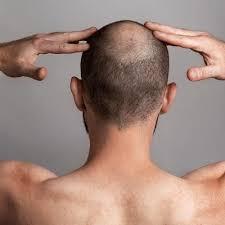
How Does Tajmeels Clinic Approach Hair Transplant Planning for Different Age Groups?

Hair loss can affect people at different stages of life, but the reasons, patterns, and expectations may vary with age. Some individuals experience early hairline recession, while others develop thinning across the crown or more advanced baldness over time. Because hair loss does not progress in the same way for everyone, hair transplant planning requires an individualised approach.
In Dubai, people considering hair restoration often want to understand whether their age influences treatment suitability, donor hair selection, and expected outcomes. A successful Hair Transplant in Dubai plan should consider more than the patient's current appearance. It should also account for future hair loss, scalp condition, hair characteristics, and long-term aesthetic goals.
Why Does Age Matter in Hair Transplant Planning?
Age is an important consideration when evaluating someone for hair transplantation, but it should not be the only factor determining eligibility. Two people of the same age can have very different hair loss patterns and donor hair characteristics.
Younger individuals may still experience progressive hair loss, making it important to consider how their hairline could change over time. Older individuals may have more established hair loss patterns, but their donor hair density and scalp condition still require careful evaluation.
A personalised assessment helps determine whether transplantation is appropriate and how the treatment should be planned to achieve balanced, natural-looking results.
Hair Transplant Planning for Younger Adults
Younger adults experiencing hair loss may notice changes around the temples, frontal hairline, or crown. Although these changes can affect confidence, immediate transplantation is not always the most suitable option.
Hair loss can continue progressing during early adulthood, which means that restoring the hairline without considering future thinning may create an uneven appearance later.
Important considerations for younger patients include:
-
Hair loss progression: Understanding whether the pattern is stable or still changing.
-
Family history: Reviewing genetic patterns that may influence future hair loss.
-
Donor hair availability: Evaluating whether sufficient healthy donor follicles are available.
-
Hairline design: Avoiding an unnecessarily low or aggressive hairline.
-
Long-term planning: Preserving donor hair for potential future restoration needs.
A hair restoration specialist may recommend monitoring hair loss or discussing appropriate medical management before considering surgery.
Hair Transplant Considerations for Adults in Their 30s and 40s
People in their 30s and 40s may have more clearly established hair loss patterns. Receding hairlines, crown thinning, and reduced density across the scalp are common concerns during these years.
At this stage, treatment planning often focuses on balancing the frontal hairline with the existing hair density. The objective is not simply to cover every thinning area but to distribute available grafts strategically.
Several factors may influence the treatment approach:
-
The size and location of thinning areas.
-
The density and quality of donor hair.
-
Hair thickness, colour, and natural growth direction.
-
The number of grafts that may be required.
-
The possibility of continued hair loss in untreated areas.
For individuals in this age group, realistic expectations are especially important. A carefully planned procedure should consider both immediate cosmetic improvement and the possibility of future changes.
Hair Transplant Planning for Older Adults
Older adults may have more advanced hair loss, including significant crown thinning or extensive frontal baldness. However, age alone does not automatically make someone unsuitable for hair transplantation.
The assessment should focus on general health, scalp condition, donor hair quality, and the individual's ability to undergo the procedure safely.
Important considerations include:
Donor area quality: The available donor follicles must be assessed to determine whether they can support the desired coverage.
Scalp condition: Skin health and the presence of any scalp-related concerns should be evaluated before treatment.
Medical history: Existing health conditions and medications may influence surgical suitability and recovery planning.
Treatment expectations: The achievable coverage should be discussed according to available grafts and the extent of hair loss.
For older patients, the focus is often on improving overall hair appearance while maintaining realistic expectations about density and coverage.
How Does Donor Hair Availability Influence Age-Based Planning?
Donor hair is one of the most important factors in hair transplantation, regardless of age. Hair follicles are commonly collected from suitable areas at the back and sides of the scalp, where hair is generally more resistant to pattern hair loss.
The number of available grafts can influence how much coverage is achievable. However, using too many donor follicles in one procedure may limit future restoration options.
A proper donor assessment considers:
-
Donor area density and follicle distribution.
-
Hair shaft thickness and texture.
-
Scalp characteristics and elasticity.
-
Existing thinning within the donor region.
-
Long-term hair restoration requirements.
This assessment helps create a treatment plan that makes practical use of available donor hair without promising unrealistic density.
Why Is Individualised Hairline Design Important?
Hairline design plays an important role in achieving natural-looking hair transplant results. A hairline that suits a younger adult may not necessarily be appropriate for an older individual.
Younger patients may prefer a fuller frontal appearance, but creating an excessively low hairline can require more grafts and may look less natural if surrounding hair continues thinning.
For older patients, a design that complements facial proportions and existing hair distribution may be more appropriate.
A natural hairline should consider facial structure, age-related changes, hair direction, density, and the patient's expectations.
The Role of Tajmeels Clinic in Personalised Hair Transplant Planning
At tajmeels clinic dubai, hair transplant planning should be based on individual hair loss patterns, donor hair availability, scalp characteristics, and personal restoration goals. Rather than applying the same approach to every age group, an appropriate assessment helps identify the factors that may influence treatment suitability and expected outcomes.
Patients considering hair transplantation in Dubai can discuss their hair loss history, concerns, expectations, and available treatment options during a consultation. Evaluating these details helps establish a realistic treatment plan that considers both current hair restoration needs and possible future changes.
What Should Patients Expect Before a Hair Transplant?
Before undergoing a hair transplant, patients should understand the procedure, preparation requirements, possible limitations, and recovery process.
A consultation generally involves reviewing medical history, examining the scalp, assessing donor hair, and discussing the expected treatment outcome.
Patients should also ask about the proposed technique, graft requirements, potential risks, aftercare instructions, and follow-up arrangements.
It is important to remember that transplanted hair does not produce immediate results. Initial shedding can occur after the procedure, followed by gradual new growth over the following months. The final appearance may take around 12 months or longer to develop, depending on individual healing and hair growth patterns.
Conclusion
Hair transplant planning should reflect the individual's age, hair loss progression, donor hair availability, scalp condition, and long-term expectations. Younger adults may need careful planning around future hair loss, while older individuals may require closer evaluation of donor capacity and overall health. At every age, personalised assessment and realistic expectations remain essential for achieving natural-looking hair restoration results.
More Information
Tajmeels Clinic Dubai
WhatsApp: +971 56 203 8751
Phone: tel:+971 43739000
Social Media:
