

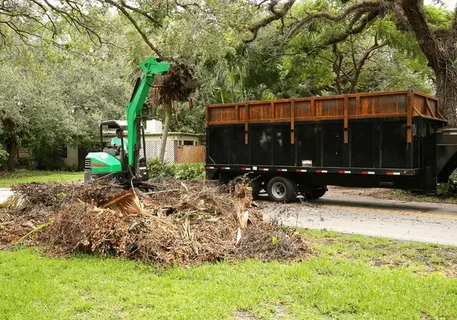

After a storm or weekend cleanup, piles of leaves, grass clippings, and branches can quickly take over a driveway. Many property owners want the pile removed but also want to know whether it will be dumped, burned, or put to use. For property owners considering a provider such as J&S Hauling and Junk Removal, the key issue is what happens after the pile leaves the property. In most cases, green waste hauling moves clean plant material to a composting, mulching, chipping, or approved disposal facility.
Key Takeaways
-
Clean leaves and grass often go to composting or organic material processing.
-
Large branches may be chipped into mulch or processed at a brush facility.
-
Plastic bags, soil, rocks, and household trash can contaminate a load.
-
Local rules and facility capacity determine the final destination.
Green Waste Hauling and the Final Destination
The first step is usually sorting the load by material type. Leaves, grass, and small plant pieces are easier to process together, while large limbs may need separate brush chipping. Professional junk removal services help ensure yard debris is collected, separated, and directed toward appropriate disposal or processing options. A clean load has more useful options than a mixed pile containing plastic, dirt, stones, or general trash.
At a composting facility, plant material is placed in managed piles or rows. Air, moisture, and time help it break down into compost, which can later support soil and plant growth. Grass clippings and leaves usually decompose faster than thick branches, so facilities may handle them at different rates.
Composting Leaves and Grass
Leaves and grass can become a soil amendment when they are free from contamination. The material may be shredded or mixed to help it break down evenly. Finished compost is not the same as fresh yard debris; it is a dark, crumbly product that has gone through a controlled process.
Wet grass can become heavy and compacted, especially when packed tightly in bags. That does not always prevent composting, but it can affect loading, transport, and handling. Property owners can help by keeping the material free of plastic, food waste, and other household items.
Chipping Brush and Branches
Brush, limbs, and small logs often follow a different path. A chipper cuts them into smaller pieces that may be used as mulch, walking-path material, or a base for further processing. Very large, rotten, or tangled branches may need special handling because they can damage equipment or slow down sorting.
Roots and stumps can also require a separate destination. They may contain heavy soil, stones, or thick wood that does not fit normal green waste processing. Asking about these items before collection helps prevent a rejected load or an unexpected change in handling.
When Disposal Is Necessary
Not every load can be composted or chipped. Contaminated material may go to a transfer station or landfill when workers cannot safely separate the unwanted items. This is one reason mixed loads often cost more to manage and offer fewer recovery options.
Disposal rules vary by area. Some communities offer curbside collection, drop-off sites, or seasonal yard debris programs, while others rely on private facilities. The receiving site determines what it accepts, how it sorts material, and whether the organic portion can be recovered.
How Leaves, Grass, and Brush Are Processed
After collection, the material is commonly checked for contamination before it is unloaded. Workers may look for plastic bags, wire, garden hoses, treated lumber, rocks, and household trash. These items can damage a chipper or reduce the quality of compost and mulch.
Leaves and grass are often shredded, mixed, and placed in a composting area. The pile may be turned or moved so that air reaches the center. Over time, the plant fibers break down. The final product may be screened to remove larger pieces before it is used as compost or soil cover.
Brush is usually sorted by size. Smaller branches can become chips, while thick limbs may be cut down or sent to a separate wood-processing area. Some facilities blend chipped brush with other organic material, but the exact process depends on the site and its equipment.
This means the same type of debris may have different outcomes in different communities. A clean load of leaves may become compost in one area, while another facility may send it to a permitted disposal site because no processing space is available. The destination is shaped by material quality, local capacity, and current facility rules.
Sorting Choices That Affect the Final Destination
When property owners compare yard waste pickup, they should ask how the provider separates organic material from other debris. A small amount of plastic or trash can change the way a load is handled. Clear sorting also makes it easier to estimate the space, labor, and equipment needed for removal.
The best preparation is simple: keep plant material together and remove anything that did not grow in the yard. If a pile contains several types of debris, separating it before collection can make the next step easier.
-
Leaves, grass, and small branches should be kept in a clean pile.
-
Plastic bags, pots, hoses, and tools should be removed.
-
Rocks, soil, and concrete should not be mixed with light plant material.
-
Stumps, thick logs, and roots should be mentioned before pickup.
Paint cans, fuel containers, batteries, and other hazardous items should never be placed in a green waste pile. Treated wood may also require a separate disposal route. If an item is not clearly plant-based, property owners should check local rules before adding it to the load.
What to Check Before Arranging Green Waste Hauling
People comparing green waste services near you should focus on the receiving facility, accepted materials, access needs, and final price. A low initial estimate may change if the pile includes dirt, trash, oversized limbs, or heavy stumps. A clear description of the debris helps set realistic expectations.
They should also consider where the pile is located. Material stacked beside a driveway is usually easier to load than debris behind a fence, down a slope, or in a narrow side yard. Wet weather can make grass and soil much heavier, while loose leaves can spread across a large area and take longer to gather
Before scheduling, property owners can ask a few direct questions. They can confirm whether the load will be composted, chipped, transferred, or disposed of. They can also ask whether bag removal, sorting, or oversized branches are included in the work.
-
Describe the material type and approximate pile size.
-
Point out access limits, gates, slopes, and overhead branches.
-
Ask which items are excluded from the green waste load.
-
Confirm how changes in material or volume may affect the estimate.
Local acceptance rules matter even when the material seems harmless. Some facilities do not accept invasive plants, soil-heavy loads, or branches above a certain size. Checking those details early helps avoid delays and keeps rejected material from being left behind.
Common Mistakes With Yard Debris
Many disposal problems start before the material is loaded. Property owners may place bagged leaves beside loose brush, hide household trash under branches, or mix rocks with grass clippings. These choices make the pile harder to sort and may send more of it to disposal instead of recovery.
Another mistake is waiting too long to mention special material. A large stump, storm-damaged tree limb, or pile mixed with fencing wire can change the equipment needed. Early notice gives the hauler and receiving facility a better chance to plan the right route.
-
Do not bury trash under leaves or brush.
-
Do not place garden hoses, wire, or plastic in a chipper pile.
-
Do not assume stumps and soil belong with light yard debris.
-
Do not burn or dump plant material where local rules prohibit it.
Keeping the pile clean is the most useful step. If separation is not possible, a detailed description and clear photos can help determine whether the material needs more than one disposal route.
Frequently Asked Questions
Does all green waste become compost?
No. Clean leaves and grass may be composted, and brush may become mulch or wood chips. Loads mixed with trash, rocks, soil, or other unwanted material may be sent to a transfer station or landfill instead.
Can wet grass clippings be collected with leaves?
Often, yes, but wet material is heavier and can compact tightly. Property owners should keep it free from plastic and household waste and mention unusually wet or dense piles when arranging removal.
Are branches and brush handled the same way as leaves?
Usually not. Leaves and grass are better suited to composting, while branches may need chipping, cutting, or separate processing. Large limbs, roots, and stumps should be identified before collection.
Why does contamination matter so much?
Plastic, wire, rocks, and treated wood can damage processing equipment or reduce the quality of compost and mulch. Contamination also increases sorting work and may prevent the entire load from being recovered.
Can green waste be left in plastic bags?
That depends on the receiving program. Some facilities require loose material, while others accept certain bags and remove them during processing. Checking local instructions prevents a load from being rejected.
What should property owners do with plant material that may carry disease?
They should check local disposal rules before mixing it with ordinary yard debris. Some plant diseases and invasive species require special handling so they do not spread through compost, mulch, or transport.
The Bottom Line
Leaves, grass, and brush do not all follow the same path after collection. Clean material may become compost, mulch, or wood chips, while mixed or hazardous debris needs another disposal route. Careful sorting, honest details about the pile, and a quick check of local facility rules help property owners make a better choice and reduce avoidable waste.
Plan the Next Cleanup
Property owners with a pile of leaves, grass, or brush can take the next step by checking local acceptance rules and requesting a clear estimate of how the material will be handled. They should ask whether the load will be composted, chipped, mulched, or sent to an approved facility, and mention any mixed items before scheduling. A clear plan helps prevent delays, keeps unwanted debris off the property, and supports better use of organic material after collection is completed responsibly.
