

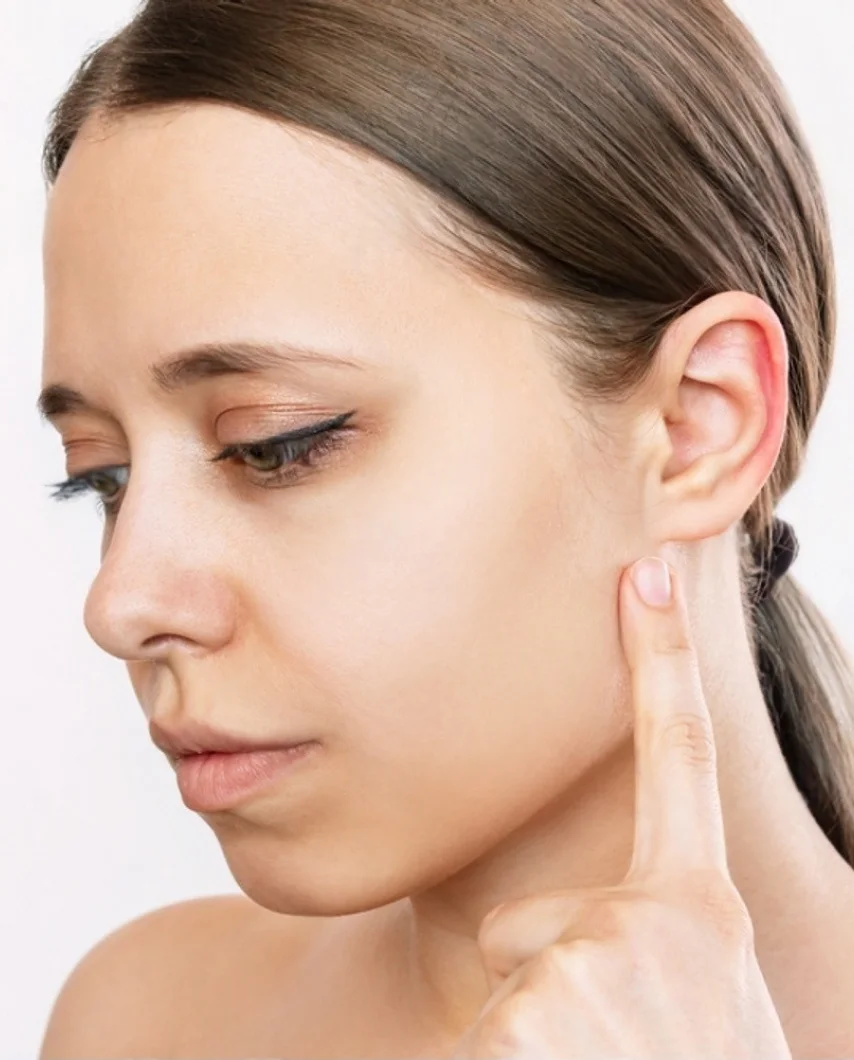
Earlobe asymmetry and uneven ear shapes can develop because of natural anatomical differences, ageing, genetics, or changes caused by injury and jewellery. Although small differences between the ears are common, noticeable variations in size, length, or contour may affect facial balance and personal confidence. People exploring Earlobe Correction Surgery in Dubai may consider an assessment at Dynamic Life Clinic to understand the cause of the uneven appearance and whether treatment is appropriate.
Natural Differences in Ear Development
The shape of the ears develops before birth, and the two sides of the face do not always grow in exactly the same way. One earlobe may naturally be larger, rounder, more attached, or positioned slightly lower than the other. These differences are usually harmless and may become more noticeable as a person grows.
Natural variations can affect several features, including:
-
Earlobe size: One side may have more soft tissue or a wider shape.
-
Attachment: One earlobe may connect more closely to the cheek, while the other hangs freely.
-
Length: The lower edge of one earlobe may sit slightly below the opposite side.
-
Contour: Differences in curves and fullness can make the ears look uneven.
Minor asymmetry is a normal part of human anatomy and does not automatically indicate a medical problem.
Genetic Factors and Congenital Earlobe Differences
Some people are born with earlobes that have different shapes or structures. Genetic factors and variations during early development can influence how the outer ears form. Congenital differences may include cleft earlobes, unusual folds, extra tissue, or differences in the size and attachment of the lobes.
These variations can be present from birth and may remain noticeable into adulthood. In some cases, a person may have an isolated earlobe difference, while more complex outer-ear variations can involve other structures.
A professional examination helps identify whether the concern is limited to the soft earlobe or involves the wider ear. This distinction is important because earlobe correction procedures are designed to reshape soft tissue rather than change the underlying ear cartilage.
Ageing and Changes in Skin Elasticity
Ageing is another common reason for changes in earlobe shape. Over time, the skin loses some of its elasticity, and the soft tissues may become thinner or less firm. Gravity can gradually pull the earlobes downward, making them appear longer or more stretched.
These changes may not occur equally on both sides. Differences in tissue quality, previous piercing damage, and natural anatomy can cause one earlobe to sag more noticeably than the other.
Age-related changes may include:
-
Increased earlobe length or drooping.
-
Reduced fullness and changes in tissue volume.
-
Fine lines, wrinkles, and loose skin.
-
A difference in the position or shape of each earlobe.
Although these changes are usually gradual, they can make previously minor differences more visible.
Heavy Earrings and Repeated Piercing Pressure
Jewellery can gradually affect the appearance of the earlobes, especially when heavy earrings are worn frequently. Their weight places continuous pressure on the piercing openings and surrounding tissue. Over time, the holes may stretch, become elongated, or move closer to the lower edge of the earlobe.
If a person wears different earrings on each side or has experienced uneven piercing damage, one earlobe may change more than the other. Multiple piercings and ear stretching practices can also contribute to differences in tissue shape.
The effects may include enlarged piercing holes, elongated lobes, thinning tissue around the openings, or partial tearing. Avoiding heavy jewellery can help prevent further strain, although established stretching or tearing may require professional treatment.
Injuries and Accidental Earlobe Damage
Physical trauma can change the shape of one or both earlobes. An earring may become caught in clothing, hair, or another object and pull forcefully on the tissue. Accidents, cuts, and direct injuries can also create scars or remove small amounts of tissue.
The appearance after an injury depends on its severity and how the area heals. A minor injury may leave a small irregularity, while a more serious tear can divide the earlobe or create an uneven lower border.
Scar tissue may also form as the injury heals. If the tissue contracts or heals unevenly, the affected earlobe may look different from the opposite side. New injuries, open wounds, or signs of infection should be assessed by a healthcare professional before considering cosmetic correction.
Previous Procedures and Scar Formation
Earlier ear procedures can sometimes contribute to an uneven appearance. Piercing repairs, removal of skin growths, or previous reconstructive work may leave scars or alter the natural contour of the earlobe.
Healing can differ between the two sides, even when similar procedures have been performed. One area may develop thicker scar tissue, while another may heal with a flatter or less defined edge. People who are prone to raised scars or keloids may also experience more noticeable changes after piercing or surgery.
A specialist needs to examine the existing tissue, scars, and previous treatment history before recommending another procedure. The aim is to determine whether the irregularity can be improved safely without removing too much healthy tissue.
Checkpoint: Important Considerations Before Earlobe Correction Surgery
The most suitable approach depends on the reason for the asymmetry, the amount of tissue available, and the extent of the difference between the ears. Before considering correction, it is useful to understand the following points:
-
Identify the cause: Natural development, ageing, piercing damage, and injuries may require different approaches.
-
Assess both earlobes: A specialist should compare their length, width, attachment, and overall contours.
-
Review previous injuries: Existing scars, tears, and earlier procedures can influence treatment planning.
-
Discuss expectations: Correction may improve visible balance, but perfectly identical ears are not always achievable.
-
Consider general health: Medical conditions, medications, smoking, and a history of abnormal scarring may affect healing.
-
Allow adequate healing: Active infections or unhealed injuries should be addressed before elective correction.
How Earlobe Correction Surgery Can Improve Uneven Shapes
Earlobe correction surgery focuses on reshaping the soft tissue of the earlobe. Depending on the underlying concern, a surgeon may remove selected excess tissue, repair a stretched piercing, reconnect a torn area, or adjust an irregular contour. The technique is chosen according to the existing anatomy rather than applying the same method to every patient.
For example, someone with one elongated earlobe may need a different correction from someone with a split piercing or uneven lower edges. In suitable cases, the procedure can improve the visual balance between the two sides while preserving a natural appearance.
The procedure does not reposition the entire ear or reshape its cartilage. If the uneven appearance involves the upper ear or its position against the head, a different type of assessment may be necessary.
Recovery and Care After Earlobe Correction
Recovery depends on the extent of the correction and the individual's healing response. Mild swelling, bruising, tenderness, or temporary sensitivity may occur around the treated area. Patients should follow their surgeon's instructions for cleaning the wound, protecting the stitches, and avoiding unnecessary pressure.
Heavy earrings and activities that pull on the earlobes should be avoided during the recommended healing period. Re-piercing should only be considered after the area has healed sufficiently and the surgeon confirms that it is appropriate. Follow-up appointments help assess healing and identify any concerns early.
Risks and Limitations of Treatment
Like other surgical procedures, earlobe correction has potential risks. These may include infection, bleeding, visible scarring, altered sensation, uneven healing, and differences in the final shape. Some people may develop raised scars or keloids, particularly if they have a previous history of abnormal scar formation.
Surgery can improve selected tissue irregularities, but it cannot guarantee perfectly symmetrical results. Natural differences may remain, and future ageing, jewellery pressure, or another injury can affect the appearance over time. A careful assessment helps establish realistic expectations and determine whether the likely benefits justify the procedure.
Frequently Asked Questions
Understanding the possible causes of earlobe asymmetry can help people decide whether a professional assessment is worthwhile. The following answers address common concerns about uneven earlobe shapes and available correction options.
Is It Normal for One Earlobe to Be Bigger Than the Other?
Yes, minor differences in earlobe size are common. Natural development, genetics, and variations in soft-tissue volume can make one side appear larger or fuller. Treatment is generally considered only when the difference causes discomfort or a personal cosmetic concern.
Can Sleeping on One Side Cause Earlobe Asymmetry?
Regular pressure from sleeping may contribute to temporary irritation or discomfort, but it is not usually considered a primary cause of significant permanent earlobe asymmetry. More noticeable changes are commonly associated with natural anatomy, ageing, jewellery, or previous injuries.
Can Heavy Earrings Make One Earlobe Longer?
Yes, repeatedly wearing heavy earrings can stretch the piercing opening and place pressure on the surrounding tissue. If one side experiences more strain, that earlobe may become longer or more stretched than the other.
Can Earlobe Asymmetry Develop With Age?
Yes, ageing can change earlobe length, fullness, and skin elasticity. These changes may occur differently on each side, making existing asymmetry more noticeable over time.
Can Surgery Make Uneven Earlobes Look More Balanced?
Earlobe correction surgery can improve selected differences in size, length, and contour. The result depends on the cause of the asymmetry, available tissue, scar characteristics, and individual healing. A specialist can explain which changes are realistically achievable.
Conclusion
Earlobe asymmetry and uneven ear shapes can result from natural development, genetic differences, ageing, heavy earrings, repeated piercings, injuries, or previous procedures. Minor variations are usually harmless, but more noticeable changes may be a personal cosmetic concern. Identifying the underlying cause is the first step toward choosing an appropriate solution. With an individual assessment and realistic expectations, earlobe correction may help improve selected irregularities and create a more balanced appearance while preserving the natural features of the ears.
