

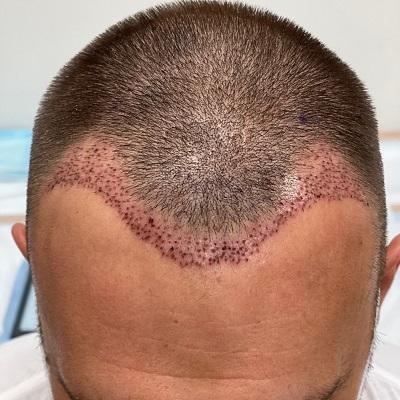

Hair Transplant in Dubai is a popular option for people experiencing hair thinning, a receding hairline, or significant hair loss. Although many patients achieve noticeable improvements after one procedure, others may require more than one session to reach their desired level of hair coverage. This depends on several factors, including the extent of hair loss, donor hair availability, scalp condition, and individual restoration goals.
Understanding why multiple sessions may be necessary helps patients develop realistic expectations and make informed decisions before undergoing hair transplant surgery in Dubai.
1. The Extent of Hair Loss Determines Treatment Requirements
One of the main reasons some patients need multiple hair transplant sessions is the amount of hair they have already lost. People with mild hair loss may achieve satisfactory coverage through a single procedure. However, individuals experiencing advanced hair loss may have larger areas requiring restoration.
For example, someone with thinning around the temples might need fewer grafts than a person experiencing significant hair loss across the frontal scalp, mid-scalp, and crown.
When the treatment area is extensive, dividing the procedure into separate sessions may help the medical team plan graft distribution more carefully and work within the patient's available donor supply.
2. Limited Donor Hair Availability
Donor hair availability plays an important role in determining how many sessions a patient may require. Hair follicles are commonly extracted from areas of the scalp where hair growth is more resistant to pattern hair loss, particularly the back and sides.
However, not everyone has the same donor hair density or follicle availability. Some patients naturally have fewer suitable follicles, while others have donor areas that cannot safely provide enough grafts for complete coverage in one session.
A responsible treatment plan considers:
-
Donor area density and follicle quality.
-
Hair thickness and natural characteristics.
-
The number of grafts required.
-
Existing hair in the recipient area.
-
The long-term availability of donor hair.
Careful donor management helps avoid unnecessary depletion and preserves options for future treatment if additional restoration becomes appropriate.
3. Advanced Hair Loss May Require Staged Restoration
Patients with advanced hair loss may benefit from a staged approach rather than attempting to restore every affected area in one procedure.
When hair loss involves multiple scalp regions, the treatment team may prioritise the frontal hairline and front scalp before addressing the crown or other thinning areas.
This approach allows the available grafts to be distributed according to their importance for the overall appearance.
Staged restoration also provides an opportunity to evaluate healing and hair growth before planning further treatment. The timing of another session depends on individual recovery, medical assessment, and the progress of the initial transplant.
4. Desired Hair Density Can Influence the Number of Sessions
Not every patient has the same expectations regarding hair density. Some people primarily want to improve their hairline, while others want greater coverage across several areas of the scalp.
Achieving a particular density depends on the available grafts, scalp characteristics, hair thickness, and the size of the treatment area.
It is important to understand that transplanting more grafts does not automatically guarantee better results. Excessive extraction or placement can compromise donor hair resources and may not be suitable for every patient.
A qualified medical professional should determine a realistic density target based on the patient's scalp condition and long-term hair restoration needs.
5. Ongoing Hair Loss Can Affect Future Treatment
Hair transplantation restores follicles to areas affected by hair loss, but it does not stop the progression of hereditary hair thinning in untreated areas.
This means some patients may experience additional thinning in their existing natural hair after their initial procedure. As a result, they might eventually consider another session to improve coverage or address newly affected areas.
This is particularly important for younger patients, whose hair loss patterns may continue to develop over time.
A long-term treatment strategy should consider potential future hair loss rather than focusing exclusively on current thinning. Medical professionals may also discuss appropriate hair-loss management options to help preserve existing hair when suitable.
6. Why Recovery and Hair Growth Require Patience
Hair transplant results develop gradually. Patients should not assume that another session is necessary simply because their scalp looks thin during the early recovery period.
Following transplantation, the newly placed hair shafts commonly shed during the initial weeks. This is generally a normal part of the process, while the transplanted follicles remain in place.
New hair growth usually becomes more noticeable over the following months, with continued improvement as the hair matures. Final results can take around 12 months or sometimes longer, depending on individual circumstances and the treatment area.
For this reason, medical assessment should take place before deciding whether additional graft placement is needed. Allowing sufficient time for the first procedure to develop helps prevent premature treatment decisions.
7. How Tajmeels Clinic Approaches Multiple Hair Transplant Sessions
At tajmeels clinic dubai, hair transplant planning focuses on individual hair loss patterns, scalp characteristics, donor hair availability, and restoration expectations. Every patient may have different requirements, which is why an individual assessment is important before recommending a treatment approach.
The clinic's consultation process considers the extent of thinning, the condition of the donor area, hairline design, and the possibility of future hair loss. These factors help guide decisions about whether one session may be sufficient or whether staged restoration should be considered.
Patients can discuss their concerns, understand the expected treatment process, and receive guidance about realistic outcomes. The aim is to develop a suitable hair restoration plan while considering long-term scalp appearance and donor hair preservation.
8. When Should You Consider Another Hair Transplant Session?
A second hair transplant session may be considered when the initial results have sufficiently matured and an assessment identifies areas that could benefit from further restoration.
Possible reasons include:
-
Persistent thinning in untreated scalp areas.
-
Additional hair loss after the first procedure.
-
Insufficient coverage compared with realistic treatment goals.
-
A desire to improve density in selected areas.
-
Changes in the patient's hair restoration priorities.
However, additional surgery is not necessary for everyone. The decision should be based on medical suitability, available donor follicles, and the condition of the scalp.
Conclusion
Some hair transplant patients need more than one session because hair loss severity, donor hair availability, desired density, and ongoing thinning vary from person to person. A staged approach can help distribute grafts carefully and support long-term restoration planning.
Before considering another procedure, patients should allow sufficient time for their initial results to develop and undergo a professional assessment. Choosing an individualised treatment plan helps establish realistic expectations and supports informed decisions about hair transplantation in Dubai.
More Information
Tajmeels Clinic Dubai
WhatsApp: +971 56 203 8751
Phone: tel:+971 43739000
Social Media:
