

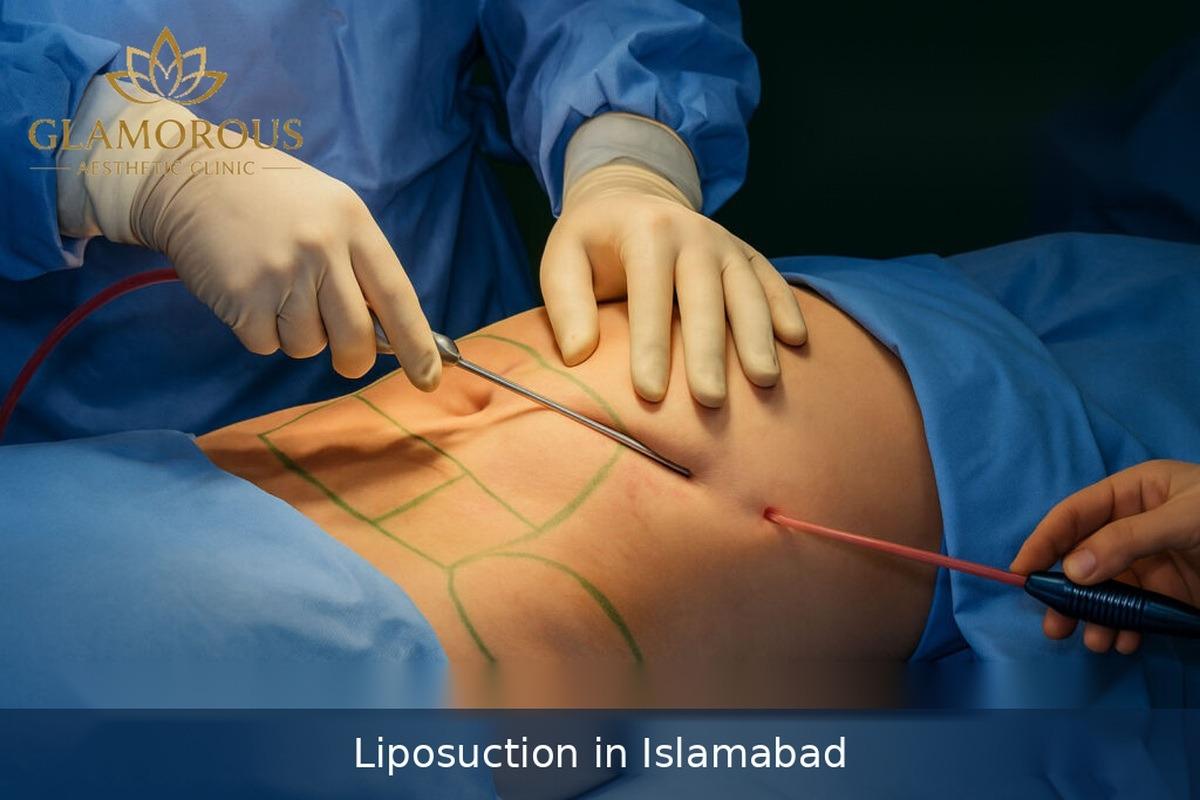
Can Liposuction in Islamabad Improve the Appearance of Uneven Thigh Contours?

Precision micro-sculpting and selective fat balancing smooth asymmetrical bulges and irregular leg transitions.
Introduction
Noticeable differences in shape, fullness, or surface smoothness between the left and right thighs can make fitted clothing feel uncomfortable and self-conscious. When patients explore Liposuction in Islamabad to correct uneven thigh contours, precision sculpting offers a reliable way to harmonize asymmetrical fat deposits or refine previous contour irregularities. Whether unevenness stems from natural genetic asymmetry, old localized trauma, or prior aggressive suction elsewhere, careful anatomical mapping restores balanced leg lines. Understanding how surgeons evaluate and correct contour discrepancies sets realistic expectations for smooth, symmetrical results.
Common Causes of Uneven Thigh Contours
Thigh asymmetry arises from several distinct sources that require slightly different corrective strategies. Many individuals naturally store slightly more subcutaneous fat on one hip or inner thigh due to dominant-side posture or genetic variation. Other patients develop localized indentations or step-off bulges following traumatic injuries, steroid injections, or uneven liposuction performed without proper feathering. Identifying whether unevenness involves excess localized fat, depressed hollows, or loose skin guides the exact repair plan.
Precision Feathering to Smooth High Bulges and Step-Offs
When uneven thigh contours are caused by asymmetrical fat pockets or sharp ledges between treated and untreated zones, targeted micro-cannula suction trims down the fuller areas selectively. Working from detailed standing topographical markings, the surgeon feathers edges gradually across transition borders so high spots blend seamlessly into surrounding tissue. Integrating ultrasonic assistance like Vaser 4D Liposuction in Islamabad Pakistan helps break down dense scar tissue around previously irregular zones cleanly.
Combining Micro-Liposuction with Autologous Fat Grafting for Indentations
Sometimes uneven thighs feature depressed dents or hollow grooves alongside neighboring high bulges—particularly in revision cases. In these scenarios, suction alone cannot raise a sunken indentation; instead, surgeons purify fat extracted from high zones and carefully inject micro-droplets into depressed hollows. Combining targeted debulking with natural fat grafting levels out peaks and valleys simultaneously using your own living tissue.
Distinguishing Contour Asymmetry from Structural Cellulite
Patients evaluating uneven thigh texture should also understand the difference between macro-contour asymmetry and superficial skin cellulite. While precision Body Contouring corrects asymmetrical bulges, saddlebag differences, and post-surgical step-offs, superficial cottage-cheese dimpling is caused by fibrous dermal bands rather than deep fat volume. Honest pre-operative counseling clarifies which irregularities suction will smooth and where realistic skin texture limits remain.
Recovery, Compression Support, and Patience During Remodeling
Corrective thigh contouring requires four to six weeks of snug compression legging wear to keep newly leveled tissues pressed uniformly during collagen remodeling. Because revision or asymmetrical sculpting involves delicate tissue planes, final symmetry should always be judged at the six-month mark once deep swelling resolves completely. Following post-operative massage and garment instructions faithfully preserves smooth, balanced leg lines.
-
Asymmetry Correction: Balances left-to-right differences in outer saddlebags or inner thigh fullness.
-
Topographical Mapping: Standing pre-op markings pinpoint exact high bulges and low hollows.
-
Dual Debulking & Grafting: Levels out post-surgical dents by pairing micro-suction with fat transfer.
-
Six-Month Maturation: Allows swelling and scar tissue to soften fully into smooth leg contours.
Frequently Asked Questions
Can liposuction fix dents left behind from a previous surgery elsewhere?
Yes, combining gentle feathering suction around raised edges with autologous fat grafting into sunken dents can significantly improve previous contour irregularities.
How long should I wait after a previous thigh surgery before seeking revision contouring?
Surgeons typically advise waiting at least six to twelve months so all internal swelling and scar tissue soften completely before evaluating revision work.
Will both thighs look 100 percent identical after asymmetry correction?
While surgical sculpting dramatically improves visual balance and clothing fit, subtle natural human variations between left and right limbs always remain normal.
Do I need special compression garments after uneven thigh correction?
Standard medical-grade waist-to-knee compression leggings—modified with non-compressive cutouts if fat grafting was performed—are worn for four to six weeks.
Final Thoughts
Liposuction effectively improves uneven thigh contours by selectively reducing asymmetrical bulges and feathering transitions smoothly. Consulting with an experienced plastic surgeon ensures a tailored plan that restores balanced, natural-looking leg symmetry.
About the doctor and clinic Medically reviewed by Dr. Ahmed Ali, Plastic and Reconstructive Surgeon Dr. Ahmed Ali is a Plastic and Reconstructive Surgeon with an MBBS from Ayub Medical College and an FCPS in Plastic Surgery. He worked as a Clinical Fellow in Plastic Surgery at Fauji Foundation Hospital Rawalpindi from 2020 to 2023, and he practises at Glamorous Aesthetics Clinic (Glam Aesthetics), an IHRA-licensed clinic in Islamabad.
Clinic: Glamorous Aesthetics Clinic (Glam Aesthetics)
Address: Office 20-21, Basement, Interlace Plaza, I-8 Markaz, Islamabad
Phone / WhatsApp: +92 327 5479779
Email: [email protected]
Timings: Open 24 hours, Monday to Sunday
Consultation: Free Reserve a visit with Book now on the contact page url This article is for general information only and does not replace personal medical advice from a qualified surgeon.Last updated: November 14, 2026
