

What Makes Myofascial Release Different From Traditional Massage for Chronic Pain?

Chronic pain can wreck your day. You try rubs, stretches, and pills, but the ache keeps coming back. Maybe the fix isn’t more pressure. Tight fascia, the web of tissue around your muscles, often causes the trouble.
Many people try Myofascial Release in Concord as it targets that web with slow, gentle holds. This method frees stuck tissue and eases pain at its source. Here is how it differs from a regular massage session, so you can pick smart.
Key Differences Between Myofascial Release and Massage
See how each approach treats pain, tissue, and long-term relief.
It Targets Fascia, Not Just Muscle
Traditional massage mostly works on the muscles you can feel. Myofascial release goes after the fascia, the thin web that wraps every muscle.
Stuck fascia can cause nagging pain that muscle work alone may never fix. This focused approach may improve flexibility and reduce tension in restricted areas.
It Uses Slow, Steady Pressure
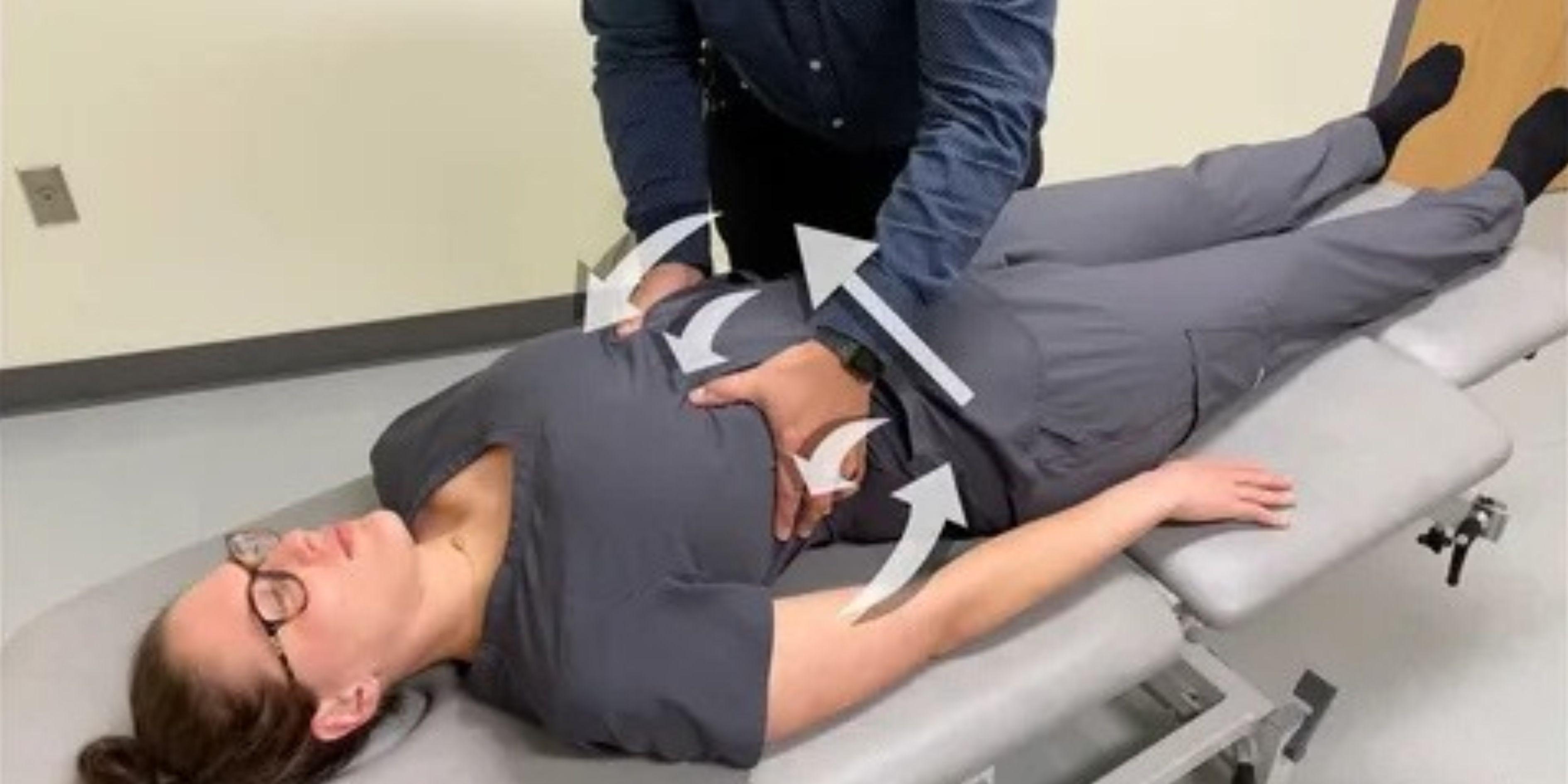
Therapists hold gentle pressure on one spot for several minutes. Clients of Myofascial Release in Concord often say this slow hold feels different.
Regular massage uses quick strokes and kneading, which feel nice but fade fast. This gives the tissue more time to respond without causing unnecessary discomfort.
It Chases the Root Cause
Pain in your neck may start in your hips or back. Myofascial release traces tight bands across the body to find the true source.
That approach treats the cause of the pain instead of just the sore spot. It also helps therapists understand how different body areas affect each other.
It Aims for Longer-Lasting Relief
Many folks seek Myofascial Release in Lafayette or Concord after years of nagging back or neck pain. Releasing deep restrictions can give relief that lasts longer than a spa rub.
Results vary, but many people notice better movement over time. Consistent sessions may also help people maintain better mobility during daily activities.
It Starts With a Personal Check-Up
A therapist checks your posture and how you move before any hands-on work. Then they pick the spots that need the most attention.
Regular massage often follows one routine, while this approach changes with every person. This assessment helps create a treatment plan that addresses specific movement concerns.
It Comes With Self-Care Tips
Myofascial Release in Lafayette often comes with simple self-care tips for home. Gentle stretches and foam rolling help keep your fascia loose between visits.
Those habits protect your progress and cut down on future flare-ups. Following these suggestions can support recovery and help maintain daily movement comfort.
Key Takeaways
-
Myofascial Release targets the fascia, while regular massage mostly works on surface muscles.
-
Slow, gentle holds let tight tissue soften instead of getting a quick, short-lived rub.
-
Pain often starts far from the sore spot, so a full-body check matters.
-
Treating the root cause gives chronic pain a better shot at real relief.
-
Every session fits the person instead of following one set routine for everyone.
-
Home stretches and foam rolling help the progress stick between visits.
Your Body Deserves More Than a Quick Rub
Chronic pain doesn’t have to run your life or steal your good days. Myofascial release digs into the fascia, not just the muscle, and that can change how your body feels.
Anyone looking for Myofascial Release in Concord or Lafayette can start with Myofascial Release 4 Chronic Pain Center in Pleasant Hill, California. Licensed massage therapist Mark Smith builds plans around each person’s needs. Book a visit, ask questions, and take the first step toward moving freely again.
