

What Makes Myofascial Release Different From Traditional Massage for Chronic Pain?

Chronic pain can wreck your day. You try rubs, stretches, and pills, but the ache keeps coming back. Maybe the fix isn't more pressure. Tight fascia, the web of connective tissue around your muscles, joints, and organs, often causes the trouble.
Many people try Myofascial Release in Concord because it treats that web with light to moderate compression and stretching. This method releases the tough collagen fibers that cause chronic pain, so the pain no longer has a source. Here is how it differs from a regular massage session, so you can pick smart.
Key Differences Between Myofascial Release and Massage
See how each approach treats pain, tissue, and long-term relief.
It Targets Fascia, Not Just Muscle
Fascia contains two primary types of fibers. Elastin fibers stretch and return to their original form, while collagen fibers are strong and less flexible, with a tensile strength of roughly 1,900 pounds per square inch. Injuries or postural imbalances can cause these collagen fibers to pull on muscles and joints.
This tension may contribute to chronic pain in the back, neck, shoulders, knees, ankles, and wrists. Traditional massage mainly focuses on muscles and may not adequately address deeper fascial restrictions that contribute to this discomfort.
It Uses Light to Moderate Compression and Stretch
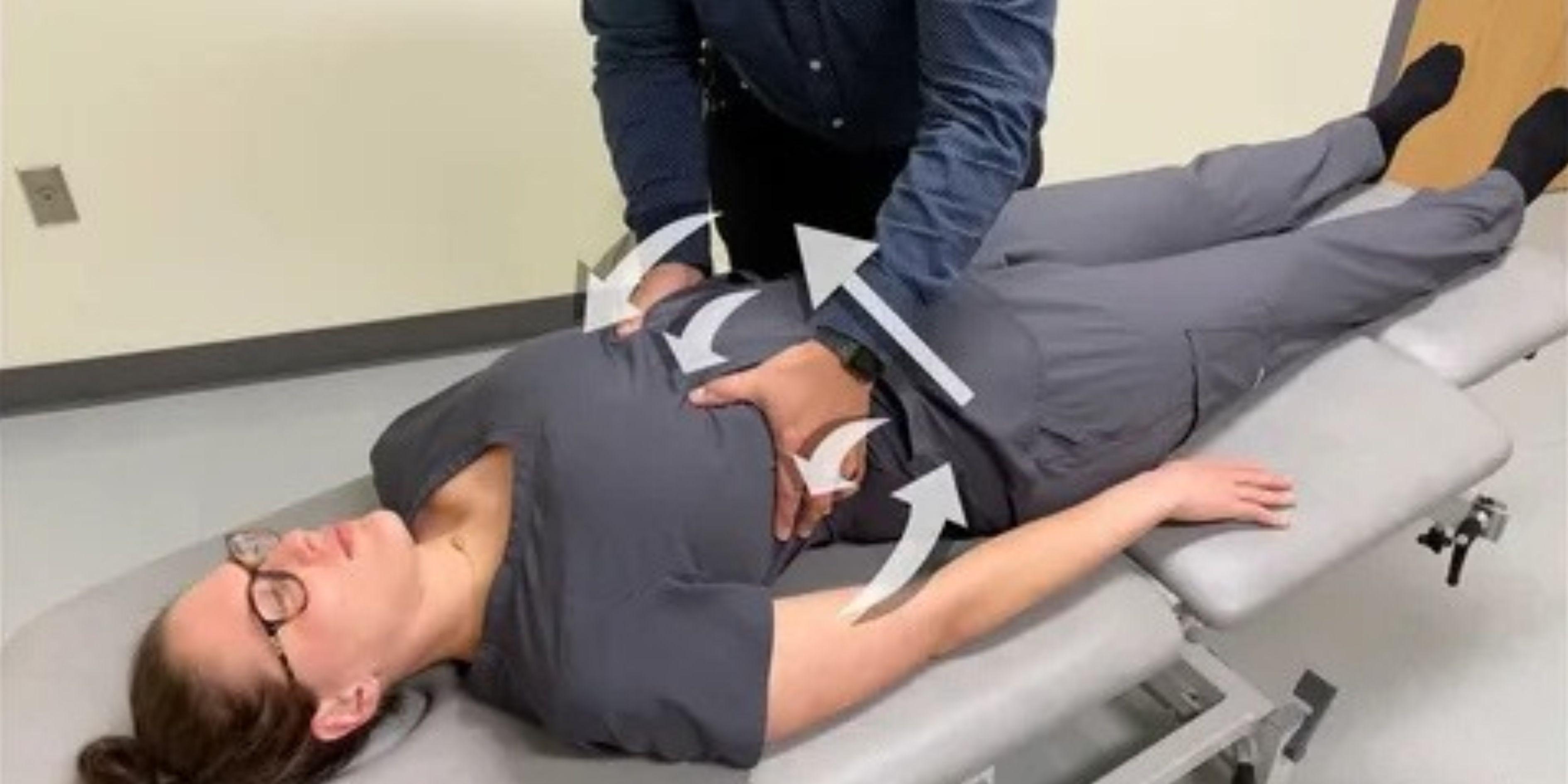
Therapists apply light to moderate compression with a gentle stretch and hold it for five to eight minutes. Clients of Myofascial Release in Concord often say this slow hold feels different.
Only a hold of this length lets collagen fibers release. Once released, the fascia stays released, and muscles and joints return to normal range of motion without pain.
Deep Tissue Massage Falls Short
Some massage therapists try to reach these fibers with deep tissue work. Deep tissue massage hurts during treatment and for two to three days afterward. Relief then lasts five to six days. After that, the fascia loses its elasticity, the pressure returns, and the pain comes back.
It Chases the Root Cause
Pain in your neck may start in your hips or back. Myofascial release traces tight fascia across the body to find the true source. That approach treats the cause of the pain instead of just the sore spot. Once the cause is treated, the pain no longer exists.
It Aims for Lasting Relief
Many folks seek Myofascial Release in Lafayette or Concord after years of nagging back or neck pain. Releasing the collagen fibers gives lasting relief, while massage gives relief that fades within about a week.
Results vary with the cause and severity of the pain. Each person's response also depends on how long the restrictions have been in place.
It Starts With a Personal Check-Up
A therapist checks your posture and how you move before any hands-on work. Postural misalignments often point to the restricted fascia behind your pain. Then the therapist picks the areas that need the most attention. Regular massage often follows one routine, while this approach changes with every person.
It Comes With Self-Care Tips
Myofascial Release in Lafayette often comes with simple self-care tips for home. Gentle stretches help keep your fascia loose between visits. Those habits protect your progress and cut down on future flare-ups. The goal is for you to learn to treat yourself, so you don't need endless return visits.
Key Takeaways
-
Fascia has stretchy elastin fibers and tough collagen fibers that do not stretch.
-
Tight collagen fibers cause chronic pain in the back, shoulders, neck, knees, and other areas.
-
Light to moderate compression and stretching held for five to eight minutes release the fascia.
-
Deep tissue massage hurts for days, and the pain returns within about a week.
-
Treating the root cause ends the pain and restores normal movement.
Your Body Deserves More Than a Quick Rub
Chronic pain doesn't have to run your life or steal your good days. Myofascial release treats the fascia, not just the muscle, and that can change how your body feels.
Anyone looking for Myofascial Release in Concord or Lafayette can start with Myofascial Release 4 Chronic Pain Center in Pleasant Hill, California. Licensed massage therapist Mark Smith (California Cert. #91744) builds plans around each person's needs and teaches self-care. Book a visit, ask questions, and take the first step toward moving freely again.
