

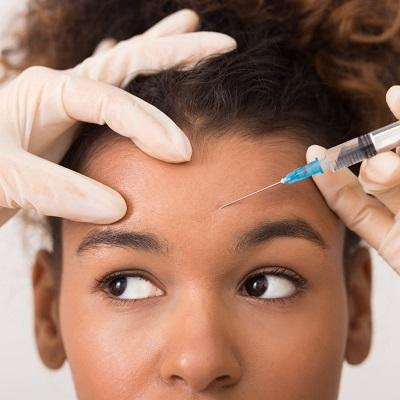

Botox has become a popular non-surgical cosmetic treatment for people who want to soften fine lines, reduce wrinkles, and achieve a refreshed appearance without undergoing surgery. However, before considering this treatment, many people have one common concern: does the procedure hurt? Understanding what happens during the treatment and what sensations to expect can help individuals feel more comfortable and confident about their decision.
For anyone considering Botox Injections, knowing how the procedure feels, how much discomfort it may cause, and what happens afterwards can make the experience less intimidating. Although the thought of needles near the face may sound uncomfortable, the treatment generally involves minimal discomfort and takes only a short amount of time. Most people describe the sensation as a tiny pinch, prick, or brief sting rather than significant pain.
1. Do Botox Injections Actually Hurt?
For most individuals, Botox injections are not particularly painful. The procedure uses an extremely fine needle to deliver small amounts of botulinum toxin into specific facial muscles. Because the needle is very thin and the injections are administered quickly, discomfort is generally mild and temporary.
The sensation can vary depending on individual pain tolerance, the area being treated, and personal sensitivity. Some people barely notice the injections, while others experience a slight pinching or stinging sensation.
Areas with thinner or more sensitive skin may feel slightly more uncomfortable than other treatment areas. Nevertheless, the discomfort usually lasts only a few seconds at each injection site.
Unlike surgical cosmetic procedures, Botox does not typically require general anaesthesia or an extended recovery period. Most cosmetic treatments can be completed without significant preparation, allowing individuals to return to their usual daily activities shortly afterwards.
It is also important to understand that pain perception differs from person to person. Someone who is comfortable with injections may find the experience almost painless, whereas someone who feels anxious around needles may notice the sensation more.
2. What Does the Botox Injection Procedure Feel Like?
Understanding each stage of the procedure can help individuals know what to expect and reduce unnecessary anxiety. Although the experience may vary depending on the treatment area and individual requirements, the process generally follows a few straightforward steps.
Before the injections
The treatment usually begins with a consultation and assessment. The healthcare professional discusses the individual's concerns, reviews their medical history, and identifies the areas that may benefit from treatment.
The skin is then cleaned to remove makeup, oil, and other impurities. Depending on the treatment plan, the injection points may be identified or marked before the procedure begins.
Some individuals may receive an ice pack or topical numbing cream if they are particularly sensitive to discomfort. However, these measures are not always necessary because the needles used are very fine.
During the injections
Once the treatment area is prepared, small amounts of Botox are injected into the targeted muscles.
Most people describe the sensation as:
-
A quick pinching feeling.
-
A tiny needle prick.
-
A mild stinging sensation.
-
Slight pressure around the injection point.
Each injection generally takes only a few seconds. Depending on the treatment area and the desired outcome, several injections may be required.
The forehead, frown lines, and areas around the eyes are common cosmetic treatment areas. The number of injections depends on the individual's facial anatomy, muscle activity, and treatment goals.
Immediately after the injections
Once the injections are complete, the individual can usually leave without needing an extended recovery period.
There may be slight redness, tenderness, swelling, or small marks around the injection sites. These effects are generally temporary and often settle within a short period.
The treatment itself is relatively quick, making it a convenient option for people who prefer non-surgical cosmetic procedures.
3. Which Factors Can Affect Pain During Botox Injections?
Although Botox is generally considered a minimally uncomfortable procedure, the experience is not identical for everyone. Several factors can influence how much discomfort an individual experiences.
Individual pain tolerance
Pain sensitivity varies naturally between individuals. Some people tolerate injections easily, while others may feel more discomfort even with very small needles.
Anxiety can also influence the experience. People who feel nervous about needles may become more sensitive to minor sensations during treatment.
Treatment area
Different facial areas have different levels of sensitivity. Areas around the eyes, forehead, and between the eyebrows may produce slightly different sensations depending on skin thickness and the location of the targeted muscles.
Treatment in areas with more sensitive skin may feel more noticeable than injections into other areas.
Number of injections
The number of injections can influence the overall experience. A treatment involving several injection points may involve more brief pinching sensations than one requiring only a few injections.
However, each individual injection is usually completed quickly.
Injection technique
The experience can also depend on the injector's training, technique, and understanding of facial anatomy.
Careful placement, appropriate injection depth, and controlled administration help make the procedure more comfortable while supporting the intended treatment outcome.
Emotional comfort
Feeling relaxed and understanding the treatment process can make a difference. Individuals who know what to expect may find it easier to remain comfortable throughout the procedure.
Discussing concerns beforehand can help establish realistic expectations and reduce unnecessary stress.
4. How Can Discomfort Be Reduced During Botox Treatment?
People who are concerned about pain can discuss different comfort measures before undergoing treatment. Although most individuals do not require special pain management, several simple approaches may help make the experience more comfortable.
Topical numbing cream
A topical numbing cream may be applied before treatment when appropriate. It helps reduce skin sensitivity and can make the needle sensation less noticeable.
Ice or cold compresses
Applying a cold pack to the treatment area before injections may temporarily numb the skin and reduce discomfort. It can also help minimise minor swelling.
Staying relaxed
Remaining calm and avoiding unnecessary muscle tension may make the procedure easier. Slow, steady breathing can help individuals manage nervousness during the injections.
Discussing concerns beforehand
Anyone worried about pain should communicate their concerns before treatment begins. A qualified healthcare professional can explain the procedure, discuss available comfort measures, and adjust the approach when appropriate.
Following pre-treatment instructions
Individuals should provide a complete list of their medications, supplements, allergies, and relevant medical conditions. Certain medications and supplements can increase bruising risk.
Blood-thinning medication should never be stopped without advice from the prescribing healthcare professional.
These measures can help improve comfort while ensuring the treatment is approached responsibly.
5. What Happens After Botox Injections? Recovery, Side Effects, and Results
One of the reasons Botox remains a popular cosmetic treatment is that it generally involves minimal downtime. Most individuals can return to their normal routine shortly after the procedure, although some temporary effects may occur.
Common temporary side effects
Following treatment, individuals may notice:
-
Mild redness around the injection sites.
-
Slight swelling or tenderness.
-
Small bruises.
-
A temporary pinching or aching sensation.
-
A mild headache.
These effects are generally short-lived. However, anyone experiencing unusual, persistent, or worsening symptoms should contact a healthcare professional.
Aftercare recommendations
Following appropriate aftercare instructions can help support recovery and reduce the likelihood of unwanted effects.
Common recommendations may include:
-
Avoid rubbing or massaging the treated areas for the period advised by the healthcare professional.
-
Avoid strenuous physical activity for approximately 24 hours if advised.
-
Follow instructions about remaining upright after treatment.
-
Avoid applying unnecessary pressure to the injection sites.
-
Keep the treatment area clean.
-
Follow any personalised aftercare guidance.
Specific instructions can vary depending on the treatment and individual circumstances, so professional advice should always take priority.
When do the results become visible?
Botox does not produce its full effect immediately. It works by temporarily reducing the activity of targeted muscles responsible for certain facial movements.
Some individuals begin noticing changes within a few days, while the full effect may take approximately one to two weeks.
The results generally last around three to four months, although this can vary depending on the individual, treatment area, dosage, and muscle activity.
Regular follow-up consultations can help determine whether additional treatment is appropriate.
Are there any serious risks?
Although cosmetic Botox is generally well tolerated when administered appropriately, it is not completely risk-free.
Possible complications include temporary eyelid or eyebrow drooping, unwanted muscle weakness, and other treatment-related effects.
Rarely, the effects of botulinum toxin can spread beyond the injection area. Difficulty swallowing, speaking, or breathing, generalised muscle weakness, and vision problems require immediate medical attention.
Choosing a properly licensed and trained healthcare professional and ensuring that an authorised, approved product is used are important safety considerations.
6. Is Botox Worth It for People Who Are Afraid of Needles?
For individuals who are uncomfortable with needles, the idea of receiving multiple facial injections can initially seem intimidating. However, understanding the actual experience often makes the treatment feel less frightening.
Botox injections are generally quick, involve very fine needles, and cause only mild discomfort for most people. The brief pinching sensation is usually over before individuals have much time to become uncomfortable.
Nevertheless, Botox is a personal cosmetic choice rather than a necessary treatment. Individuals should consider their expectations, medical suitability, potential risks, and desired results before deciding to proceed.
A consultation provides an opportunity to discuss concerns, understand the treatment process, and determine whether Botox is an appropriate option.
People who are particularly anxious about needles should mention this beforehand. A healthcare professional can explain each step and discuss suitable ways to make the procedure more comfortable.
Ultimately, the decision should be based on realistic expectations and an informed understanding of both the benefits and possible side effects.
Frequently Asked Questions About Botox Injections
1. Do Botox injections hurt more than regular injections?
Botox injections are generally associated with mild discomfort because they use very fine needles and involve small amounts of product. Most people describe the sensation as a quick pinch or slight sting. The experience may differ depending on individual pain tolerance and the treatment area.
2. How long does the pain from Botox injections last?
The actual injection discomfort usually lasts only a few seconds at each injection point. Mild tenderness, redness, or swelling may remain temporarily after treatment but generally improves within a short period.
3. Is numbing cream necessary before Botox treatment?
Numbing cream is not usually necessary because most people tolerate the injections well. However, a topical numbing product or ice may be used when appropriate, particularly for individuals who are sensitive to needles or concerned about discomfort.
4. Can someone return to work immediately after Botox injections?
Most individuals can return to work and their usual daily activities shortly after receiving Botox. The procedure generally requires minimal downtime. However, following the recommended aftercare instructions is important to support recovery and reduce potential complications.
5. How long does it take for Botox results to appear?
Some people notice changes within a few days of treatment. However, the full results generally become more apparent within approximately one to two weeks. The duration of results varies, but many individuals experience effects lasting around three to four months.
6. Is Botox safe for first-time patients?
Botox can be suitable for first-time patients when there is an appropriate medical assessment and the treatment is administered by a properly licensed, trained healthcare professional using an authorised product. However, it is not suitable for everyone. Medical history, allergies, medications, and individual health circumstances should be reviewed before treatment.
Read More About Botox Injections: https://www.whizolosophy.com/category/overall-health/article-essay/botox-injections-before-and-after-what-results-to-expect
