

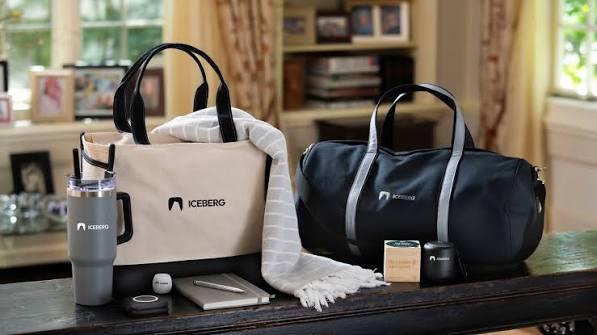

A client gift basket should feel like it came from one company and no other. The color, the materials, the contents, and even the note inside all say something about how a business works. This guide explains how to turn a brand identity into a practical gift plan. It covers themes, containers, contents, packaging, and logistics, and it includes client gift basket ideas you can adapt for different industries and budgets.
The Quick Answer
Start with the brand and not the products. Write down the values, colors, and tone your company uses, then choose a theme that matches them. Pick a container that clients will reuse, fill it with a small number of quality items, and keep the logo quiet. A basket built this way feels intentional, and the client remembers who sent it.
The steps below walk through that process in order, from the first brand review to the final shipment.
Why Brand Identity Should Guide the Basket
Many gift baskets look alike because they are built from a supplier catalog and not from a point of view. A generic basket may be pleasant, but it does little to strengthen the relationship. A basket shaped by brand identity does the opposite. It shows the client that the sender understands its own style and chooses gifts with the same care it brings to its work.
Consistency matters too. A client who receives a gift that matches your website, your office, and your communications sees one coherent company. That builds trust over time, which is the real purpose of client gifting.
Start With a Brand Review
Before choosing any item, gather the basics of your brand into one page.
Values and Personality
Is the company traditional or modern, playful or serious, local or global? A law firm and a design studio would build very different baskets. Write three words that describe the brand, and test every item against them.
Colors and Materials
Look at the logo colors, the office finishes, and the packaging already in use. Warm leather and canvas suit heritage brands. Clean metal and matte black suit technology firms. Natural wood and paper suit companies that value sustainability.
Audience and Relationship
Think about who receives the basket. A long term client may appreciate something personal. A new prospect may prefer something simple and professional. Knowing the relationship keeps the gift from feeling too casual or too intense.
Choosing a Theme
A theme gives the basket a clear story. It also helps with decisions, because each item either supports the theme or does not belong. Strong client gift basket ideas usually follow one of a few reliable directions.
The Workday Basket
This theme suits finance, law, and consulting. It might include a quality notebook, a pen, a leather card holder, and a travel mug. Everything supports a busy day and reflects professionalism.
The Welcome Basket
This theme suits onboarding new clients. It can include a branded notebook, a coffee or tea set, a small plant or candle, and a printed note that explains how to reach the team.
The Celebration Basket
This theme suits project launches and anniversaries. Snacks, a bottle of something to share, and a handwritten card create a sense of occasion without requiring a large budget.
The Retreat Basket
This theme suits wellness, hospitality, and creative brands. A candle, a soft throw, and a few tea or coffee items create a sense of rest and care.
Picking the Right Container
The container is the first thing the client sees, so it sets the tone. A traditional wicker basket is warm but often ends up in a closet. A reusable bag, a box with a keepsake lid, or a structured tote has more chance of staying in use.
A fabric container can also carry the brand more elegantly than a printed label. Scarborough & Tweed introduced the original banker bag in 1992 and offers custom bags with options such as embroidered logos and leather handles. A bag like this can serve as the basket itself. Small organizers add value too. A canvas ditty bag holds cables, cards, and small accessories, and it works as a second gift inside the first one.
Selecting the Contents
Fewer and better items usually beat a crowded basket. Aim for three to six pieces that work well together.
Useful Items
Notebooks, pens, wallets, passport covers, and desk accessories fit well in business baskets. Choose materials that look good over time, such as leather, metal, and heavy paper.
Drinkware and Kitchen Pieces
Insulated tumblers, mugs, and coffee or tea sets get daily use. They also work for almost any recipient, which makes them reliable choices.
Snacks and Treats
Food adds warmth, but keep it simple. Shelf stable items travel well and last longer. Include ingredient information so clients with dietary needs can choose what to eat.
Home and Comfort Items
Candles, soaps, and small home accents suit relationship gifts. Choose neutral scents, since strong fragrance is a matter of personal taste.
Building the Color and Material Palette
A basket looks planned when its colors repeat. Choose two or three tones and use them across the container, the tissue, the ribbon, and the items. Brand colors can appear in small accents such as a ribbon or an inside lining, which keeps the look polished and avoids heavy logos.
Material choice matters as much as color. Mixing too many textures can feel messy. A palette of leather, canvas, and brushed metal feels grounded, while mixing glossy plastics with natural wood feels uneven. If apparel belongs in the plan, match it to the palette as well. A textured piece such as a tweed shirt women's cut works best when the rest of the basket carries earthy tones, and it needs its own sizing plan.
Branding With Restraint
Clients rarely want a gift that looks like an advertisement. A small embroidered logo, a woven label, or a debossed patch is enough. Place the mark where the client will notice it only when they look for it.
Put more of the brand into the experience. A custom note card, a signature color on the tissue, or a short message about the relationship carries identity without feeling pushy. Approve a proof of any decorated item, and check how the color looks in daylight and in office lighting.
Personalization That Matters
A personal touch changes how the entire basket is received. Names or initials on a leather tag, a handwritten line that refers to a shared project, or a choice of items based on a known preference all show real attention. Even one specific detail can turn a standard basket into a premium corporate gift that the client remembers.
Collect personalization details early, in one list, and double check spelling. Errors on engraved or embroidered items cannot be corrected after production.
Presentation and the Unboxing Moment
First impressions shape the whole gift. Use clean tissue, a snug fit, and a layout that lets each item be seen at once. Keep the heaviest pieces at the bottom, and wrap fragile items separately. A printed card should explain the occasion in one or two sentences.
Include care or usage notes when an item needs them. A small card showing how to care for leather or wool shows attention to detail and extends the life of the gift.
Basket Ideas for Specific Moments
Different occasions call for different tones.
A new client welcome can include a notebook, a pen, and a short guide to working together. A holiday basket can lean toward warm drinks, snacks, and candles. A project completion gift can celebrate success with a shared treat and a signed card. A renewal thank you can include a useful desk item that reminds the client of the relationship through the year.
Pairing the basket with a small recurring gesture, such as a seasonal follow up, strengthens the effect. A single gift matters, but steady attention matters more.
Budget Tiers and Value
Set clear tiers so every client gets a basket that fits the relationship. A basic tier suits prospects and small accounts. A middle tier suits steady clients and annual thank yous. A top tier suits strategic partners and major renewals.
Count every cost, including the container, items, decoration, packaging, assembly, storage, and shipping. Ask about setup fees and quantity breaks. Compare quotes on identical specifications so you are judging like for like. Small pieces such as a canvas ditty bag add practical value without pushing the cost up, so spend where the client will notice. Sound materials and careful presentation matter more than a huge price tag.
Timeline and Logistics
Start planning at least two to three months before the gift date for a large program. Define the audience, choose the theme, request samples, approve artwork, and place the order. Leave time for assembly, packing, shipping, and corrections.
Kitting, the practice of assembling items into one package, saves time on larger programs. A supplier that handles kitting, storage, and direct shipping can pack each basket without moving items between vendors. If clients are spread across regions, confirm delivery times and tracking, and plan for any items that cannot be shipped everywhere, such as certain foods or liquids. When apparel is in the basket, collect sizes early because women's and men's cuts follow different size charts.
Sustainability and Responsibility
More clients now notice how a gift is made and packed. Reduce packaging where possible and choose recycled paper or reusable containers. Ask suppliers about material sources and shipping practices. Scarborough & Tweed states that it uses eco friendly packaging, ships carbon neutral, and supports charitable causes through its custom bag catalog and online company stores. Compare any claim with documentation when this matters to your program. A durable and reusable premium corporate gift also avoids more waste than a pile of disposable extras.
Mistakes to Avoid
The first mistake is choosing items before the theme, which leads to a random collection. The second is oversized branding that makes the basket feel like promotion. The third is stuffing too many items into the container so nothing stands out. The fourth is forgetting dietary needs, allergies, or cultural context. The fifth is ordering late and paying for rush production. Another common trap is skipping a sample, which hides problems with color, fit, or quality until the whole order is ready.
Questions to Ask Before You Order
Reliable suppliers can answer practical questions in writing. Useful topics include materials, decoration methods, proof approval, minimum quantities, production time, kitting capacity, storage, and shipping options. Ask how damaged or misprinted items are handled and what the exchange process looks like. If apparel such as a tweed shirt women's style is included, request a size chart for each cut. Clear answers suggest a supplier who understands the product and the process.
Working With a Gifting Supplier
A gifting supplier can plan the whole program and not only the products. Scarborough & Tweed lists corporate gifting, custom bags, kitting and bundles, company stores, onsite gifting, and storage and fulfillment among its services. It also mentions in house customization and kitting.
Bring your brand colors, audience, budget, and gift date to the first conversation, and ask to see samples. A short planning session at the start prevents most surprises later.
Final Thoughts
The best client gift baskets start with identity and end with details. Choose a theme that fits the brand, pick a container clients will keep, fill it with a small number of useful pieces, and keep the logo quiet. Add a personal note and plan the logistics early.
When a basket reflects the company that sent it, the client feels recognized and remembered. That is the real value of a thoughtful gift, and it is why good client gift basket ideas begin with the brand and not the catalog.
Frequently Asked Questions
Q: What should a client gift basket include?
A: Choose three to six quality items that fit a theme, such as a notebook, a pen, a tumbler, and a small treat. Add a personal note and a reusable container so the gift stays useful after it is opened.
Q: How do I reflect brand identity in a gift basket?
A: Use brand colors in small accents, choose materials that match the company style, and keep logos modest. A custom card and thoughtful packaging carry personality without making the gift feel like advertising.
Q: How much should I spend per basket?
A: Set budget tiers by relationship. Use a basic tier for prospects, a middle tier for steady clients, and a top tier for strategic partners. Include packaging, decoration, and shipping in every estimate.
Q: How early should I plan a client gifting program?
A: Start two to three months ahead for large programs. Allow time for samples, proof approval, production, assembly, and shipping. Holiday seasons are busy, so earlier orders give you better choices.
Q: Can one basket work for every client?
A: One theme can guide the program, but small changes help. Adjust contents for dietary needs, preferences, and relationship level, or let clients choose from two or three options through an online store.
