

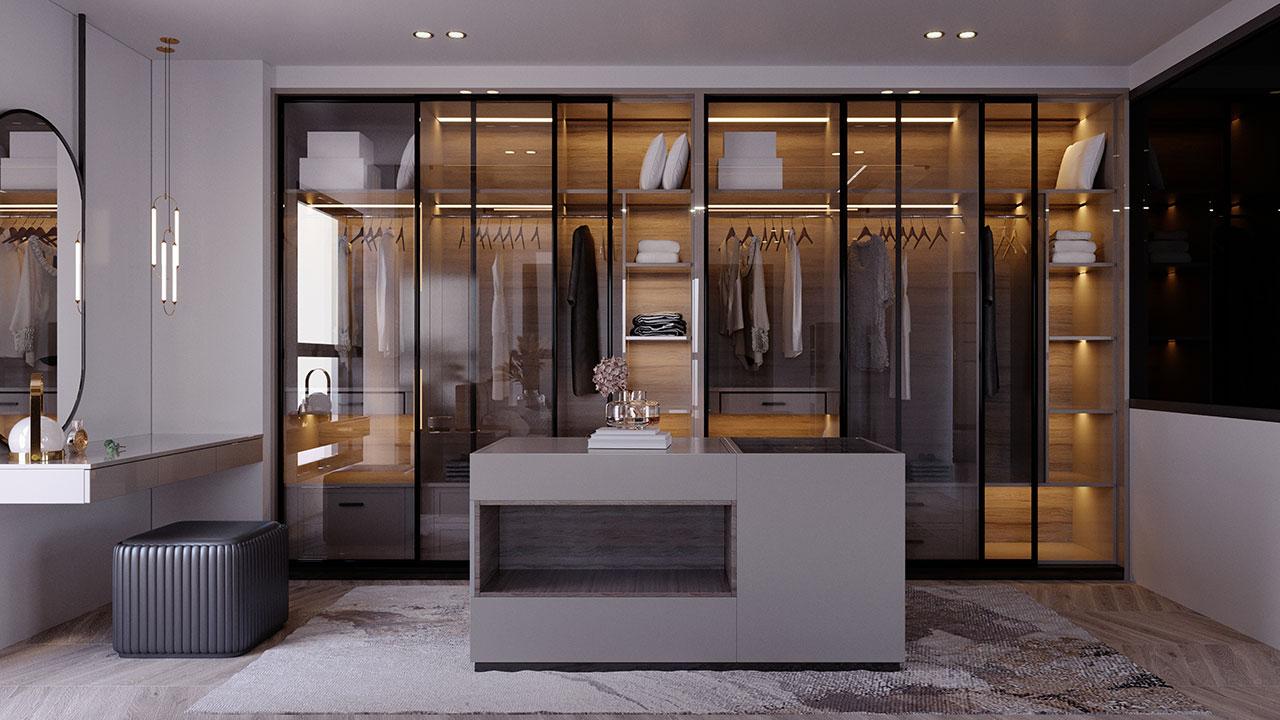

Introduction: The Importance of Stylish Storage in Modern Homes
A well-designed wardrobe is more than a place to store clothes. It is an important part of a comfortable, organised, and visually appealing home. In contemporary interiors, homeowners increasingly look for furniture that combines attractive design with practical functionality. Wardrobe Dubai represents this growing interest in personalised storage solutions that complement modern lifestyles while making the best use of available space. Whether a property has a spacious master bedroom, a compact apartment, or a shared dressing area, the right wardrobe can improve everyday organisation and contribute to a balanced interior design.
Choosing Wardrobe Dubai solutions allows homeowners to explore different layouts, materials, finishes, and storage arrangements. From sleek sliding-door wardrobes to elegant walk-in designs, modern options can be adapted to different room dimensions and personal preferences. A carefully planned wardrobe can provide dedicated spaces for clothing, footwear, accessories, bags, and seasonal belongings, helping maintain a tidy environment.
The appeal of Wardrobe Dubai designs also comes from their ability to bring together aesthetics and practicality. Contemporary homes often feature clean architectural lines, neutral colour palettes, and carefully selected furniture. A wardrobe can support this style through coordinated finishes, integrated handles, subtle lighting, and well-organised interiors. By considering the available space and storage requirements, homeowners can create a solution that feels like a natural part of the room rather than an additional piece of furniture.
Understanding Modern Wardrobe Design Trends
Wardrobe design has evolved considerably, with contemporary solutions focusing on simplicity, efficient storage, and personalised appearance. Instead of choosing furniture based only on its external look, homeowners now consider how its internal arrangement supports daily routines.
Modern wardrobe designs often feature:
- Minimalist doors and clean lines.
- Carefully planned shelves and hanging sections.
- Drawers for smaller belongings.
- Integrated mirrors and lighting.
- Space-efficient sliding or folding doors.
- Customised finishes that complement bedroom interiors.
These elements can be combined in different ways depending on the room's dimensions and the user's requirements. For example, a wardrobe in a compact bedroom may prioritise vertical storage, while a larger dressing area may accommodate separate sections for clothing, footwear, and accessories.
Minimalist Wardrobes for Contemporary Interiors
Minimalist wardrobes are popular because they create a calm and uncluttered appearance. Flat-panel doors, discreet handles, and neutral finishes can make furniture appear integrated with the surrounding walls.
Colours such as beige, white, soft grey, and natural wood tones can work well in contemporary bedrooms. These shades offer flexibility when selecting bedding, curtains, flooring, and decorative accessories.
A minimalist wardrobe does not need to sacrifice storage capacity. Its interior can include adjustable shelves, hanging rails, drawers, and organisers while maintaining a simple exterior.
Luxury Wardrobe Designs for Elegant Bedrooms
Luxury wardrobe designs focus on refined details, carefully selected materials, and coordinated finishes. Glass panels, textured surfaces, decorative lighting, and sophisticated handles can create a distinctive appearance.
A luxury wardrobe should also be comfortable to use. Smooth-opening doors, accessible shelves, practical drawer arrangements, and adequate hanging space are important considerations. The best design balances visual appeal with everyday convenience.
Wardrobe Dubai Solutions for Different Home Layouts
Every home has different architectural features and storage requirements. A wardrobe that works well in a large villa may not be suitable for a small apartment. Selecting an appropriate configuration helps homeowners use available space efficiently.
Wardrobes for Small Apartments
Smaller homes require thoughtful furniture planning. A large wardrobe with traditional hinged doors may make a compact bedroom feel crowded, particularly when there is limited clearance around the bed.
Sliding-door wardrobes can be a practical alternative because their doors move along tracks instead of opening outward. This arrangement can preserve valuable floor space and allow furniture to be positioned more efficiently.
Other useful ideas include:
- Extending the wardrobe closer to the ceiling.
- Adding internal drawers instead of separate cabinets.
- Using mirrored panels to reflect natural light.
- Selecting light finishes for a visually open appearance.
- Including adjustable shelves for changing storage needs.
A well-planned wardrobe can help a small bedroom remain functional without overwhelming its overall design.
Wardrobes for Spacious Bedrooms
Larger bedrooms provide more flexibility in wardrobe planning. Homeowners may choose full-wall wardrobes, corner installations, or separate dressing areas depending on the available floor plan.
A full-wall wardrobe can create a continuous visual feature while providing substantial storage capacity. Different internal sections can accommodate long garments, folded clothing, footwear, accessories, and personal belongings.
In spacious rooms, it is also possible to coordinate the wardrobe with bedside tables, dressing units, and other bedroom furniture. Matching finishes can create a consistent interior theme.
Walk-In Wardrobes for Dedicated Dressing Areas
Walk-in wardrobes offer a separate space for organising and selecting clothing. They can be designed with hanging rails, open shelves, drawers, shoe storage, mirrors, and seating where the room permits.
The layout should allow comfortable movement between storage sections. Lighting is particularly important because it helps users identify clothing colours and locate accessories.
A walk-in wardrobe does not always require a very large room. A carefully designed compact dressing area can also provide useful storage when the available dimensions are measured accurately.
Choosing the Right Wardrobe Configuration
The configuration of a wardrobe affects its appearance, accessibility, and storage capacity. Before selecting a design, homeowners should consider how much space is available and how the wardrobe will be used.
Sliding-Door Wardrobes
Sliding-door wardrobes are suitable for rooms where outward-opening doors could interfere with movement. Their streamlined appearance works well in contemporary interiors.
Depending on the design, sliding doors can feature mirrored glass, frosted panels, decorative finishes, or plain surfaces. Track quality and installation accuracy are important because they influence how smoothly the doors operate.
Hinged-Door Wardrobes
Hinged-door wardrobes provide full access to the interior when their doors are opened. They are available in a wide range of styles, from traditional panel designs to modern handleless options.
This configuration works particularly well when there is sufficient clearance in front of the wardrobe. It also makes it easier to access several internal sections at once.
Corner Wardrobes
Corner wardrobes are designed to make use of areas that might otherwise remain unused. They can be particularly useful in bedrooms with unusual layouts or limited wall space.
A corner arrangement requires careful planning to ensure that shelves, hanging rails, and doors remain accessible. Internal organisers can help prevent awkward spaces from becoming difficult to use.
Built-In Wardrobes
Built-in wardrobes are designed to fit specific wall dimensions. They can extend from floor to ceiling and may include customised internal compartments.
Because they are planned around the room's measurements, built-in wardrobes can make efficient use of available space. They also provide opportunities to coordinate the external finish with the bedroom's architectural style.
Materials and Finishes That Influence Wardrobe Appearance
Material selection plays an important role in the durability, maintenance, and appearance of a wardrobe. Different materials provide different textures, finishes, and design possibilities.
Engineered Wood and MDF
Engineered wood products and medium-density fibreboard are commonly used in modern furniture manufacturing. They can be finished with laminates, veneers, or painted surfaces to create different appearances.
These materials offer flexibility in design and can be used for doors, shelves, panels, and internal structures. Their suitability depends on the product's construction, finish quality, and installation conditions.
Natural Wood Finishes
Natural wood introduces warmth and texture into bedroom interiors. Oak-inspired finishes, walnut tones, and other wood patterns can complement both modern and traditional furniture.
Homeowners who prefer a natural appearance can select real wood or engineered alternatives with wood-effect finishes. The choice should consider the desired visual result, maintenance requirements, and available budget.
Glass and Mirrored Panels
Glass and mirrored wardrobe panels can create a sophisticated appearance. Mirrors are especially useful in bedrooms where additional reflective surfaces can make the room feel more open.
Frosted or tinted glass provides a different visual effect while allowing wardrobes to become decorative features. The selected glass should be appropriate for furniture use and installed securely.
Laminate Finishes
Laminate finishes are available in many colours, textures, and patterns. They can reproduce the appearance of wood, stone, or other surfaces while offering a wide range of design options.
The quality of the laminate, edge finishing, and underlying board should be considered when evaluating a wardrobe. These details influence the overall finish and long-term appearance.
Wardrobe Dubai Ideas for Better Bedroom Organisation
An attractive wardrobe becomes more useful when its internal arrangement reflects the belongings stored inside it. A well-organised interior reduces clutter and makes daily routines easier.
Separate Hanging Sections
Hanging sections should be planned according to the types of clothing being stored. Longer garments may require full-height hanging space, while shirts, jackets, and shorter items can be accommodated in more compact sections.
Having separate areas for different garment types can make it easier to find clothing and maintain order. The number and height of hanging rails should reflect the household's needs.
Practical Drawer Arrangements
Drawers are useful for storing smaller items such as accessories, folded clothing, and personal belongings. Different drawer depths can support different storage purposes.
Soft-close mechanisms may improve everyday convenience by reducing noise when drawers are closed. Drawer dividers can also help keep smaller items organised.
Shoe Storage Solutions
Shoes can occupy a considerable amount of wardrobe space if they are not organised properly. Dedicated shelves, pull-out racks, or angled shoe compartments can help maintain order.
The ideal arrangement depends on the number and type of shoes being stored. Frequently used footwear should be easy to access, while occasional footwear can be placed in less accessible sections.
Accessories and Jewellery Organisers
Accessories such as belts, watches, scarves, and jewellery can become difficult to locate when stored together. Small compartments, trays, hooks, and pull-out organisers provide dedicated places for these belongings.
These features can be integrated into drawers or side sections of a wardrobe. Their placement should support convenient access without reducing essential clothing storage.
Seasonal Clothing Storage
Seasonal belongings may not need to remain within easy reach throughout the year. Higher shelves and designated compartments can be used for clothing, blankets, or accessories that are needed less frequently.
Clearly separated storage areas help prevent seasonal items from mixing with everyday clothing. Suitable containers can also make it easier to keep these belongings organised.
Smart Features for Modern Wardrobes
Technology and thoughtful furniture accessories are changing the way homeowners use storage. Smart features can improve accessibility and make wardrobes more convenient.
Integrated Wardrobe Lighting
Lighting can make the wardrobe interior easier to use, particularly in darker bedrooms or deep storage sections. LED strips, cabinet lights, and sensor-based systems are popular options.
Lighting may be installed along shelves, inside compartments, or near hanging sections. It should provide sufficient visibility without producing excessive glare.
Soft-Close Doors and Drawers
Soft-close systems allow doors and drawers to close more gently. They can reduce noise and create a smoother user experience.
The quality of hinges, runners, and sliding mechanisms should be considered when selecting these features. Reliable hardware can make a noticeable difference in daily use.
Adjustable Shelving Systems
Adjustable shelves allow homeowners to modify storage arrangements as their requirements change. A shelf can be moved to create more space for taller belongings or additional compartments.
This flexibility is particularly valuable for growing households and shared wardrobes where different users may have different storage needs.
Pull-Out Organisers
Pull-out baskets, trouser racks, tie holders, and accessory trays can improve access to items stored in deeper sections. They can also reduce the need to move other belongings when searching for something.
The choice of organisers should be based on actual storage habits rather than adding features that may rarely be used.
Planning a Custom Wardrobe for Your Home
Custom wardrobe planning begins with understanding the room and the belongings that need to be stored. A design should be developed around practical requirements rather than relying only on appearance.
Measure the Available Space
Accurate measurements are essential. The height, width, and depth of the intended wardrobe area should be recorded before choosing a design.
Homeowners should also consider skirting boards, electrical sockets, switches, windows, doors, and ceiling features. These details can affect installation and the final configuration.
Identify Your Storage Requirements
Before planning internal compartments, make a realistic assessment of the items that need to be stored. Consider hanging garments, folded clothing, shoes, bags, accessories, and seasonal belongings.
A household with many long garments may need additional full-height hanging sections. Another household may benefit more from drawers, shelves, and shoe organisers.
Select a Suitable Design Style
The wardrobe should complement the room's existing interior. A modern bedroom may benefit from smooth surfaces and understated handles, while a more decorative interior may suit textured panels or warm wood finishes.
Choosing a consistent colour palette can help the wardrobe blend with flooring, walls, and other furniture.
Plan for Accessibility
Frequently used belongings should be placed at comfortable heights. Everyday clothing can be stored in accessible sections, while occasional items may be positioned on higher shelves.
Good accessibility reduces unnecessary movement and makes the wardrobe easier to maintain.
Consider Future Requirements
Storage needs can change over time. A flexible design with adjustable shelving and adaptable compartments may remain useful for longer than a rigid arrangement.
Planning for possible changes in clothing, accessories, or household needs can make the wardrobe a more practical investment.
Colour Choices for Modern Wardrobe Interiors
Colour has a strong influence on the appearance of a bedroom. Wardrobe finishes can either blend with the surrounding décor or create a distinctive focal point.
Neutral Colours for Timeless Appeal
White, cream, beige, and soft grey are versatile options for contemporary bedrooms. They can complement many flooring and wall colours while maintaining a clean appearance.
Neutral finishes are particularly useful when homeowners want furniture that can remain suitable even if other decorative elements change.
Wood Tones for Natural Warmth
Wood-effect finishes can introduce warmth and texture. Lighter wood tones may support a relaxed, airy interior, while darker finishes can create a more dramatic appearance.
Combining wood textures with neutral panels can also create visual balance.
Dark Finishes for Contemporary Bedrooms
Charcoal, deep brown, and black wardrobe finishes can add contrast to a room. They often work best when balanced with suitable lighting and lighter decorative elements.
In smaller bedrooms, using dark finishes across large surfaces requires careful consideration because the overall effect may feel visually heavier.
Common Wardrobe Planning Mistakes to Avoid
A wardrobe may look attractive but still fail to meet everyday storage needs if its design is not properly planned.
Ignoring Internal Storage Requirements
One common mistake is focusing entirely on the exterior. Attractive doors cannot compensate for insufficient shelves, drawers, or hanging space.
The internal arrangement should be planned before finalising the external appearance.
Choosing an Unsuitable Door Style
Traditional hinged doors may be inconvenient in a narrow room, while sliding doors may not provide access to every section simultaneously. The room layout should guide this decision.
Overlooking Lighting
Deep wardrobes can become difficult to use when their interiors are poorly lit. Planning suitable lighting during the design stage can improve visibility and convenience.
Not Considering Future Storage Needs
A wardrobe designed only for current belongings may become less practical as requirements change. Adjustable shelves and flexible compartments can help address this issue.
Selecting Materials Without Comparing Quality
Different finishes and boards vary in construction and durability. Homeowners should ask about material specifications, hardware quality, edge finishing, and installation standards before making a decision.
How to Maintain a Wardrobe and Keep It Organised
Regular care helps preserve the appearance and functionality of wardrobe furniture. Maintenance requirements depend on the materials and hardware used.
Clean Surfaces Appropriately
Use cleaning methods recommended for the selected finish. Soft cloths are generally preferable for routine dust removal, while harsh chemicals and abrasive materials should be avoided unless the manufacturer confirms they are suitable.
Avoid Overloading Shelves
Shelves and hanging rails should be used within their intended load limits. Excessive weight may affect their stability or performance.
Heavier belongings should be placed in appropriately designed storage sections.
Keep the Interior Organised
Regularly reviewing stored clothing and accessories helps prevent unnecessary clutter. Grouping similar belongings together makes the wardrobe easier to use.
Check Hinges and Sliding Tracks
Doors and drawers should be inspected periodically. If a door becomes difficult to move or a hinge appears loose, the relevant hardware may need adjustment or professional attention.
Understanding Wardrobe Costs and Budget Planning
The cost of a wardrobe depends on several factors, including dimensions, materials, design complexity, internal accessories, hardware, and installation requirements.
Size and Configuration
A large built-in wardrobe generally requires more materials and planning than a small standalone unit. Walk-in wardrobes may involve additional shelving, drawers, lighting, and finishing work.
The selected configuration also influences the overall project requirements.
Materials and Finishes
Basic finishes may be more economical than specialised surfaces, decorative glass, or premium wood options. Homeowners should compare material specifications rather than evaluating products only by appearance.
Hardware and Additional Features
Sliding mechanisms, soft-close hinges, pull-out organisers, integrated lighting, and custom drawer systems can influence the final budget.
It is useful to identify essential features first and then consider optional additions.
Installation and Customisation
Custom wardrobes may require detailed measurements, design development, manufacturing, and installation. The complexity of the room and the amount of custom work can affect the overall price.
Requesting a clear quotation that explains materials, hardware, measurements, and installation helps homeowners compare options more effectively.
Why Professional Wardrobe Planning Matters
Professional planning can help translate storage requirements into a practical design. It involves considering room dimensions, furniture placement, internal organisation, materials, and installation details.
A well-prepared design process usually begins with a discussion about the homeowner's preferences and storage habits. Measurements are then used to develop a suitable layout. Material samples and finish options can help clarify the intended appearance before manufacturing begins.
Professional guidance can also help identify potential problems, such as restricted door movement, inaccessible shelves, or insufficient clearance. These considerations are important because a wardrobe should be comfortable to use as well as visually attractive.
When comparing providers, homeowners should review previous work, material information, design proposals, installation details, and the terms of the quotation. Clear communication throughout the process can help ensure that the finished wardrobe reflects the agreed requirements.
Creating a Harmonious Bedroom with Coordinated Furniture
A wardrobe should feel connected to the rest of the bedroom. Coordinating furniture finishes, colours, and design details can create a more balanced interior.
For example, a wardrobe with warm wood-effect panels may work well with matching bedside tables or a dressing unit. A white wardrobe with discreet handles can complement a minimalist bedroom with neutral walls and simple decorative elements.
Mirrors, lighting, curtains, rugs, and bedding also influence the overall appearance. The goal is not necessarily to match every item exactly, but to create a consistent visual relationship between the main elements.
Storage furniture can also support a more organised bedroom by reducing the need for additional cabinets and standalone storage units. With thoughtful planning, the wardrobe can become both a practical feature and an important part of the room's design.
Conclusion: Choosing the Right Wardrobe for Modern Living
A carefully designed wardrobe can transform the way a bedroom looks and functions. From compact sliding-door arrangements to spacious walk-in designs, modern storage solutions provide opportunities to organise clothing, footwear, and accessories while maintaining an attractive interior. The most suitable option depends on available space, personal storage habits, preferred materials, and the overall design of the home.
Exploring Wardrobe Dubai options gives homeowners the opportunity to consider customised layouts, contemporary finishes, practical internal organisers, and space-efficient configurations. By focusing on accurate measurements, suitable materials, accessible compartments, and coordinated styling, it becomes easier to create a wardrobe that supports everyday living. Ultimately, Wardrobe Dubai is about finding the right balance between functionality, organisation, and elegant design, helping modern homes feel more comfortable, spacious, and visually harmonious.
Frequently Asked Questions (FAQs)
1. What are the most popular wardrobe designs for modern homes?
Popular options include sliding-door wardrobes, hinged-door wardrobes, built-in storage systems, corner wardrobes, and walk-in wardrobes. The right choice depends on the room's dimensions, storage requirements, and preferred interior style.
2. Are sliding-door wardrobes suitable for small bedrooms?
Yes. Sliding-door wardrobes can be useful in compact bedrooms because their doors do not need outward clearance. This can make it easier to arrange beds and other furniture around the available space.
3. What is the difference between a built-in wardrobe and a freestanding wardrobe?
A built-in wardrobe is designed to fit a specific area of the room and may extend from floor to ceiling. A freestanding wardrobe is an independent furniture unit that can generally be moved, depending on its size and construction.
4. Which materials are commonly used for modern wardrobes?
Common materials include engineered wood, MDF, laminates, veneers, natural wood, and glass panels. Material selection should consider appearance, construction quality, maintenance, and the intended use of the wardrobe.
5. How can I maximise storage in a small wardrobe?
Use vertical space, adjustable shelves, hanging organisers, drawer dividers, and dedicated shoe storage. Keeping frequently used items accessible and seasonal belongings in higher compartments can also improve organisation.
6. Are walk-in wardrobes suitable for compact homes?
A walk-in wardrobe usually requires sufficient space for storage and comfortable movement. However, a compact dressing area can sometimes be created with a carefully planned layout and efficient shelving.
7. What features should I include in a custom wardrobe?
Useful features may include hanging rails, adjustable shelves, drawers, shoe racks, accessory organisers, mirrors, and integrated lighting. The selection should reflect the belongings being stored and the available dimensions.
8. How do I choose a wardrobe colour for my bedroom?
Consider the wall colour, flooring, lighting, and existing furniture. Neutral shades offer versatility, wood tones add warmth, and darker finishes can create contrast when balanced with suitable lighting.
9. What factors affect the cost of a wardrobe?
The main factors include wardrobe size, configuration, materials, finish, hardware, internal accessories, customisation, and installation requirements. Comparing detailed quotations can help clarify the value of different options.
10. How can I keep my wardrobe organised over time?
Group similar clothing together, use suitable drawer organisers, avoid overloading shelves, and review stored belongings regularly. Cleaning surfaces according to the material manufacturer's guidance also helps maintain the wardrobe's appearance.
