

Intense physical activity can cause the body to lose significant amounts of water and essential electrolytes through sweating. Whether someone participates in demanding workouts, endurance sports, outdoor training, or physically challenging activities, maintaining proper hydration is important for overall health and physical performance. When fluid loss exceeds fluid intake, dehydration may develop and affect energy levels, muscle function, and general well-being.
IV drip in Dubai is one medical approach used to deliver fluids directly into the bloodstream. However, it is not necessary for everyone after exercise. Understanding when IV hydration may be appropriate, how it works, and what factors influence treatment decisions can help individuals make informed wellness choices.
How Does Intense Physical Activity Cause Fluid Loss?
During exercise, the body produces heat as muscles work harder. Sweating helps regulate body temperature, but it also causes the loss of water and electrolytes, including sodium and potassium.
Several factors can influence how much fluid someone loses during physical activity:
-
Exercise intensity: High-intensity workouts can increase sweating and fluid requirements.
-
Environmental temperature: Hot and humid conditions may contribute to greater fluid loss.
-
Exercise duration: Longer training sessions can increase the risk of dehydration.
-
Individual differences: Sweat rates vary depending on body size, fitness level, and personal physiology.
When lost fluids are not adequately replaced, symptoms such as thirst, fatigue, dizziness, headache, and reduced physical endurance may occur.
What Is IV Drip Therapy?
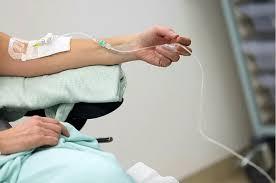
IV drip therapy is a medical treatment that delivers fluids directly into a vein through a small intravenous catheter. Depending on the individual's clinical needs, the solution may contain sterile fluids and selected electrolytes.
Unlike oral hydration, which involves drinking water or electrolyte beverages, IV hydration bypasses the digestive system and delivers fluids directly into the bloodstream.
Healthcare professionals may consider IV fluids when someone has clinically significant dehydration or cannot adequately replace fluids through oral intake. The specific fluid composition and volume depend on medical assessment rather than general fitness goals.
Can IV Drip Therapy Help Restore Fluids After Exercise?
IV drip therapy can help restore fluid levels when dehydration is significant enough to require medical intervention. It may be considered for individuals who have experienced substantial fluid loss and are unable to drink enough fluids or tolerate oral hydration.
However, most people experiencing mild dehydration after exercise can recover through drinking water and, when appropriate, electrolyte-containing beverages.
IV hydration should not automatically be considered a recovery treatment after every intense workout. Its suitability depends on the severity of dehydration, symptoms, medical history, and individual health requirements.
A healthcare professional can determine whether intravenous fluids are necessary or whether conventional hydration methods are sufficient.
Understanding the Role of Electrolytes in Exercise Recovery
Electrolytes are minerals that help regulate several important body functions. Sodium, potassium, calcium, and magnesium contribute to fluid balance, nerve communication, and normal muscle function.
During prolonged or intense exercise, sweating can increase electrolyte loss. Replacing these minerals may be important when substantial losses occur.
The role of different electrolytes includes:
-
Sodium: Helps maintain fluid balance and supports normal nerve and muscle function.
-
Potassium: Contributes to normal muscle contractions and cellular function.
-
Magnesium: Supports muscle and nerve function and energy metabolism.
-
Calcium: Plays an important role in muscle contraction and bone health.
Not every IV drip contains the same ingredients. Electrolyte supplementation should be based on individual requirements, as excessive amounts of certain minerals can also create health risks.
Signs That You May Need Medical Hydration Support
Recognising dehydration symptoms is important, particularly after prolonged exercise or physical activity in hot weather.
Common signs include:
-
Persistent thirst and dry mouth
-
Dark-coloured urine or reduced urination
-
Unusual tiredness or weakness
-
Headaches and dizziness
-
Muscle cramps
-
Reduced ability to tolerate physical activity
More serious symptoms, including fainting, confusion, severe weakness, or an inability to keep fluids down, require prompt medical attention. Severe heat-related illness is an emergency and should not be managed through a routine wellness IV drip.
IV Hydration Versus Drinking Water After Exercise
Choosing between oral hydration and IV therapy depends on the individual's condition.
For most healthy people, drinking water after exercise is an effective way to replace routine fluid losses. Electrolyte drinks may also be useful after prolonged exercise, particularly when sweating is substantial.
IV hydration is generally reserved for situations where clinical assessment identifies a medical need for intravenous fluid replacement.
There are also important differences in safety. Drinking fluids is generally less invasive, whereas IV therapy involves inserting a catheter into a vein and carries potential risks such as infection, bruising, vein irritation, and fluid overload.
Therefore, IV therapy should always be administered by qualified healthcare professionals in an appropriate clinical setting.
How to Maintain Hydration After Intense Physical Activity
Healthy hydration habits can support recovery and help reduce the risk of dehydration.
Consider the following practices:
-
Drink water before, during, and after physical activity according to your individual needs.
-
Replace electrolytes when exercise duration and sweating levels make additional replacement appropriate.
-
Avoid excessive exercise in extreme heat, particularly during the hottest hours.
-
Monitor urine colour and thirst as general hydration indicators.
-
Allow sufficient recovery time between demanding training sessions.
-
Seek medical advice if dehydration symptoms persist or become severe.
People with kidney, heart, or other medical conditions should discuss their fluid requirements with a healthcare professional rather than following general hydration recommendations.
IV Drip Therapy at Tajmeels Clinic in Dubai
At tajmeels clinic dubai, IV drip therapy begins with an individual-focused approach to understanding patient needs and wellness goals. A proper assessment considers medical history, current health status, hydration concerns, and the suitability of intravenous treatment.
The clinic-based approach emphasises professional evaluation, appropriate treatment selection, and patient safety. Not everyone experiencing post-exercise fatigue or fluid loss requires an IV drip. Where treatment is considered appropriate, the healthcare team can explain the recommended approach, expected benefits, possible risks, and available alternatives.
Patients are encouraged to discuss their exercise routines, hydration habits, and any symptoms they experience during their consultation. This helps support informed decisions about whether IV hydration is suitable for their circumstances.
Conclusion
IV drip therapy can help restore fluids when significant dehydration requires medical intervention, but it is not a necessary recovery option for every physically active individual. Most routine fluid losses after exercise can be managed through appropriate oral hydration and electrolyte replacement when needed.
Understanding dehydration symptoms, maintaining healthy hydration habits, and seeking professional guidance when necessary can support safer exercise recovery. Individual assessment remains essential before considering IV fluid therapy.
More Information
Tajmeels Clinic Dubai
WhatsApp: +971 56 203 8751
Phone: tel:+971 43739000
Social Media:
