

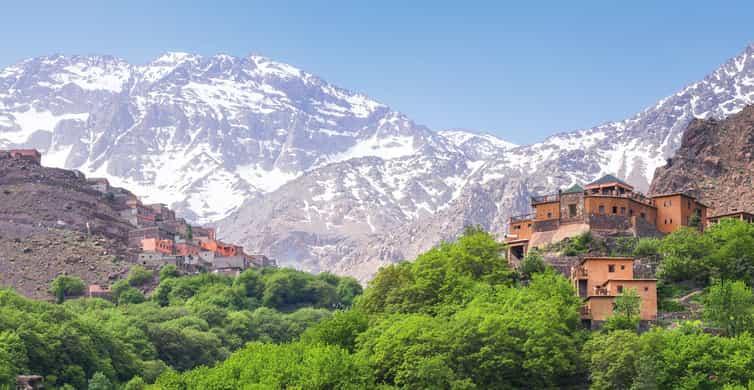

The Atlas Mountains are among the most spectacular natural landscapes in North Africa, offering visitors a remarkable combination of breathtaking scenery, traditional culture, and exciting outdoor activities. Stretching across Morocco, Algeria, and Tunisia, this impressive mountain range features dramatic peaks, green valleys, traditional villages, and diverse wildlife.
For travellers seeking something beyond busy cities and popular beaches, exploring the Atlas Mountains provides an unforgettable opportunity to experience Morocco's natural beauty and cultural heritage.
From challenging mountain hikes to peaceful village walks, every journey offers something different. Visitors can discover ancient traditions, enjoy authentic Moroccan hospitality, and experience landscapes that change dramatically with the seasons. Whether travelling for adventure, photography, or cultural exploration, this destination promises memorable experiences.
Exploring the Natural Beauty of the Atlas Mountains
One of the main reasons travellers visit the atlas mountains morocco is the incredible variety of natural scenery. The region includes rugged mountain peaks, deep valleys, rocky landscapes, flowing rivers, and fertile agricultural areas. These contrasting environments create beautiful views and make the mountains an excellent destination for outdoor enthusiasts.
The High Atlas is particularly popular because it contains some of North Africa's highest peaks. Mount Toubkal, standing approximately 4,167 metres above sea level, is the highest mountain in North Africa. Its impressive height attracts experienced hikers and adventure travellers from around the world.
The surrounding landscapes are equally fascinating. During spring, certain valleys become green and colourful with blossoming trees and wildflowers. Summer offers opportunities to explore higher mountain trails, while winter transforms the upper slopes into a snowy environment.
Discovering Traditional Berber Culture
A mountain journey is not only about beautiful landscapes. It also provides an opportunity to discover the traditions and lifestyles of Morocco's indigenous Amazigh, commonly known as Berber, communities.
Many traditional villages are located throughout the mountain valleys. Their distinctive stone and mud-brick houses blend naturally into the surrounding environment. These settlements often reflect centuries-old building techniques and community traditions.
Visitors can experience local culture through conversations with residents, traditional meals, handicrafts, and village visits. Amazigh hospitality is an important part of mountain life, and travellers may be welcomed with freshly prepared mint tea and homemade bread.
Traditional music, colourful clothing, handmade carpets, and local celebrations also contribute to the region's cultural identity. Learning about these customs helps visitors understand the connection between mountain communities and their environment.
Hiking Adventures Across Mountain Trails
Hiking is one of the most popular activities in the Atlas region. The mountains offer routes for different fitness levels, ranging from gentle countryside walks to demanding high-altitude climbs.
Beginners can enjoy shorter trails through picturesque valleys, agricultural terraces, and traditional settlements. These routes provide opportunities to appreciate the scenery without requiring extensive mountaineering experience.
More experienced hikers may choose longer routes involving steep climbs and rocky mountain paths. The Mount Toubkal trek is particularly popular among adventure seekers who want to reach the highest summit in North Africa.
Guided trekking experiences can make mountain exploration safer and more informative. Local guides understand the terrain, weather conditions, and village routes. They can also introduce travellers to cultural landmarks and explain the history of the surrounding communities.
Proper preparation is essential. Comfortable hiking boots, layered clothing, sufficient drinking water, and suitable equipment can make a significant difference during mountain adventures.
Visiting the Beautiful Imlil Valley
Imlil is one of the best-known mountain destinations in Morocco. Located in the High Atlas region, this charming village serves as an important starting point for many trekking adventures, including journeys towards Mount Toubkal.
The village is surrounded by impressive peaks, terraced farmland, and traditional settlements. Its peaceful atmosphere makes it an excellent place for travellers who want to experience rural Moroccan life.
Visitors can explore nearby villages, walk along mountain paths, and enjoy traditional food in local guesthouses. The surrounding valleys also provide excellent photography opportunities, especially during sunrise and sunset.
Imlil is suitable for both adventure travellers and those who simply want to enjoy a relaxing mountain escape.
Experiencing Traditional Moroccan Cuisine
Food is another important part of discovering mountain culture. Traditional meals reflect local ingredients, family traditions, and cooking methods that have been passed down through generations.
Tagine is among the most popular dishes visitors can enjoy. Prepared in a traditional clay cooking vessel, it commonly includes vegetables, meat, herbs, and aromatic spices. Couscous is another favourite, often served with vegetables and a flavourful sauce.
Freshly baked bread is an essential part of everyday meals in many mountain villages. Visitors may also enjoy seasonal fruits, olives, honey, and locally produced dairy products.
Sharing a meal with local families provides an opportunity to experience Moroccan hospitality. These simple dining experiences often become some of the most memorable moments of a mountain journey.
Adventure Activities Beyond Hiking
Although trekking receives considerable attention, the mountains offer several other exciting outdoor experiences.
Mountain biking is a popular option for travellers who want to explore rugged landscapes on two wheels. Certain routes pass through traditional villages, rocky paths, and beautiful valleys.
Photography enthusiasts can capture dramatic mountain views, traditional architecture, local markets, and everyday village activities. The changing light throughout the day creates excellent opportunities for landscape photography.
Nature lovers can also enjoy birdwatching and exploring the region's diverse plant life. Depending on the location and season, visitors may encounter different bird species and fascinating mountain vegetation.
Some areas also offer opportunities for mule trekking, allowing travellers to explore remote paths with assistance from experienced local handlers.
Exploring the Mountains with mttoubkaltrek
For travellers interested in discovering the beauty of Morocco's mountain landscapes, mttoubkaltrek can be a useful name to explore when planning trekking and outdoor experiences. A mountain adventure becomes more rewarding when visitors have access to knowledgeable local guidance, suitable routes, and opportunities to experience traditional village life.
Whether exploring scenic valleys or preparing for a Mount Toubkal adventure, choosing an organised trekking experience can help travellers enjoy their journey with greater confidence. Connecting with local mountain experiences also allows visitors to appreciate the cultural traditions and natural surroundings that make this region special.
Conclusion
The Atlas Mountains offer much more than spectacular scenery. They provide a fascinating combination of adventure, traditional culture, delicious cuisine, and meaningful interactions with local communities. From exploring Imlil Valley and hiking towards Mount Toubkal to discovering traditional villages and enjoying authentic Moroccan meals, every experience reveals another side of the country.
For anyone seeking an unforgettable travel experience, the atlas mountains morocco represent an excellent destination. With responsible planning, respect for local traditions, and a spirit of adventure, visitors can create lasting memories while discovering one of North Africa's most beautiful mountain regions.
