

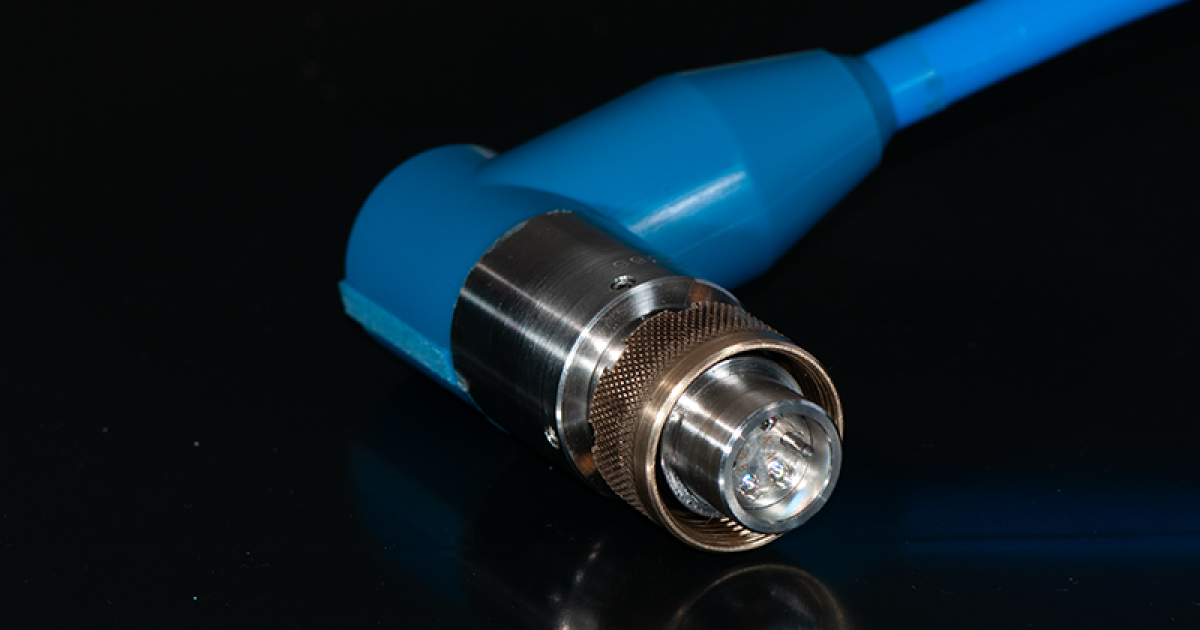
Subsea Electrical Fiber Connector: Reliable Technology for Underwater Systems

Underwater technology plays an essential role in modern industries, including offshore energy, marine research, telecommunications, and subsea infrastructure. These environments require specialized equipment capable of operating reliably under extreme pressure, moisture, temperature changes, and challenging environmental conditions.
Electrical and fiber-optic connections are particularly important because they allow underwater systems to exchange power and transmit critical data between different components. A dependable subsea electrical fiber connector helps support these operations by providing secure connections for electrical signals and fiber-optic communication in demanding underwater environments.
As subsea projects become more advanced, the need for reliable connectivity continues to increase. Engineers and equipment manufacturers are focusing on connection technologies that offer durability, efficiency, and consistent performance over extended periods. Understanding how these connectors work and why they matter can help businesses make informed decisions when developing or maintaining underwater systems.
Understanding Subsea Electrical and Fiber Connectivity
Subsea electrical and fiber connections are designed to maintain communication and electrical functionality in underwater installations. Unlike conventional connectors used in everyday industrial applications, subsea equipment must withstand continuous exposure to water, high hydrostatic pressure, corrosion, and mechanical stress.
Subsea electrical fiber connector transfer power and signals between underwater devices, while fiber-optic connections transmit information through light. Combining these technologies allows complex subsea systems to operate efficiently while supporting high-speed communication and dependable equipment performance.
These connections are commonly used in offshore production facilities, underwater monitoring systems, remotely operated vehicles (ROVs), and marine communication networks. Their specialized construction helps maintain signal integrity and protect sensitive internal components from external environmental conditions.
Why Reliable Connectors Matter in Underwater Systems
Reliability is one of the most important considerations when designing underwater infrastructure. Equipment failures can create expensive maintenance requirements, interrupt operations, and potentially affect the safety of offshore activities.
A high-quality connector provides several important advantages:
1. Protection Against Water Ingress
Water penetration can damage electrical contacts and sensitive optical components. Subsea connectors are designed with specialized sealing systems that help prevent water from entering their internal assemblies. Proper sealing is essential for maintaining performance during long-term underwater deployment.
2. Consistent Signal Transmission
Modern underwater systems depend on accurate data transmission. Fiber-optic technology supports high-bandwidth communication with low signal loss over suitable transmission distances. Reliable optical connections help maintain communication between sensors, control systems, and offshore equipment.
3. Resistance to Environmental Pressure
Deepwater installations experience significant hydrostatic pressure. Connectors must be engineered using suitable materials, structural designs, and sealing technologies to withstand their intended operating depths.
4. Long-Term Operational Stability
Replacing underwater equipment can require specialized vessels, remotely operated vehicles, and experienced technical teams. Durable connectors help reduce the likelihood of unexpected maintenance and contribute to improved operational continuity.
Key Features of Advanced Subsea Connector Technology
Modern underwater connectivity solutions incorporate several engineering features to improve safety and performance. Although specifications vary between products, important design considerations include:
Pressure-Resistant Construction
Subsea connectors must be suitable for the pressure conditions expected at their installation depth. Their housings and sealing arrangements are engineered to protect internal components against environmental pressure and water exposure.
Corrosion-Resistant Materials
Saltwater creates challenging conditions for metallic components. Manufacturers commonly consider corrosion-resistant materials, protective coatings, and compatible contact materials when developing equipment for marine applications.
Electrical Performance
Electrical contacts must provide dependable connections while minimizing unwanted resistance and signal interference. Proper insulation and contact arrangements help maintain electrical performance under demanding operating conditions.
High-Speed Fiber-Optic Transmission
Fiber-optic technology offers significant advantages for underwater communication. It supports high data rates, provides low attenuation over long distances, and is generally resistant to electromagnetic interference. These characteristics make it useful for transmitting information across complex subsea networks.
Secure Sealing Mechanisms
Sealing systems are essential for protecting sensitive connector components. Depending on the application, designs may incorporate pressure-balanced arrangements, elastomeric seals, or other specialized protection technologies.
Applications Across Different Marine Industries
The demand for dependable underwater connectivity extends across several industries. Specialized connectors support equipment that must operate continuously in challenging marine environments.
Offshore Oil and Gas: Subsea production systems rely on electrical connections and communication networks to control equipment, monitor operating conditions, and transmit information to surface facilities. Reliable connectivity supports efficient offshore production and monitoring activities.
Underwater Telecommunications: Fiber-optic technology is fundamental to submarine communication networks. Optical connections help transfer large volumes of information across underwater infrastructure, supporting international data communication.
Marine Research: Scientific instruments installed underwater collect information about temperature, pressure, currents, and marine ecosystems. Dependable connections allow researchers to receive data from remotely deployed monitoring equipment.
Renewable Energy: Offshore wind farms and emerging marine energy installations require underwater electrical infrastructure and communication systems. Reliable connectors support monitoring, control, and power-related applications.
Remotely Operated Vehicles: ROVs use electrical and communication connections to support navigation, underwater inspection, and equipment manipulation. Robust connectivity helps maintain reliable communication between underwater vehicles and surface operators.
Factors to Consider When Selecting a Subsea Connector
Choosing suitable underwater connectivity equipment requires careful consideration of the installation environment and operational requirements. Not every connector is appropriate for every subsea application.
First, engineers should evaluate the intended operating depth and pressure rating. The connector must be compatible with the environmental conditions in which it will operate.
Second, the required electrical and optical specifications should be reviewed. Important considerations include voltage, current capacity, optical loss, fiber type, and data transmission requirements.
Material compatibility is another important factor. Components must withstand exposure to seawater and other environmental conditions without experiencing premature deterioration.
Installation requirements should also influence the selection process. Some connectors are designed for wet-mate applications, while others require dry-mate installation conditions. Understanding the operational environment helps ensure that the selected product is appropriate.
Finally, maintenance requirements, testing procedures, and manufacturer support should be considered. Reviewing technical documentation and certification information can help businesses select equipment that meets their project requirements.
About Hysfsubsea
Hysfsubsea is a brand associated with subsea connectivity solutions designed for demanding underwater applications. In industries where reliable electrical connections and fiber-optic communication are essential, access to specialized subsea equipment is important for maintaining operational efficiency.
Hysfsubsea focuses on the subsea technology sector, where product quality, dependable connectivity, and suitability for challenging marine environments are important considerations. Businesses exploring underwater connection solutions can consider Hysfsubsea when researching equipment for marine infrastructure, offshore operations, and other specialized subsea applications.
Conclusion
Reliable underwater connectivity is essential for the performance and safety of modern subsea infrastructure. From offshore energy production to marine research and telecommunications, specialized connectors help maintain electrical functionality and accurate data transmission in challenging environments. Selecting the right subsea electrical fiber connector requires careful attention to pressure ratings, sealing systems, material compatibility, electrical specifications, and optical performance.
As underwater industries continue to develop, advanced connection technologies will play an increasingly important role in supporting efficient and dependable operations. Investing in suitable subsea connectivity solutions can help organizations improve system reliability, reduce maintenance challenges, and prepare their infrastructure for future technological demands.
