

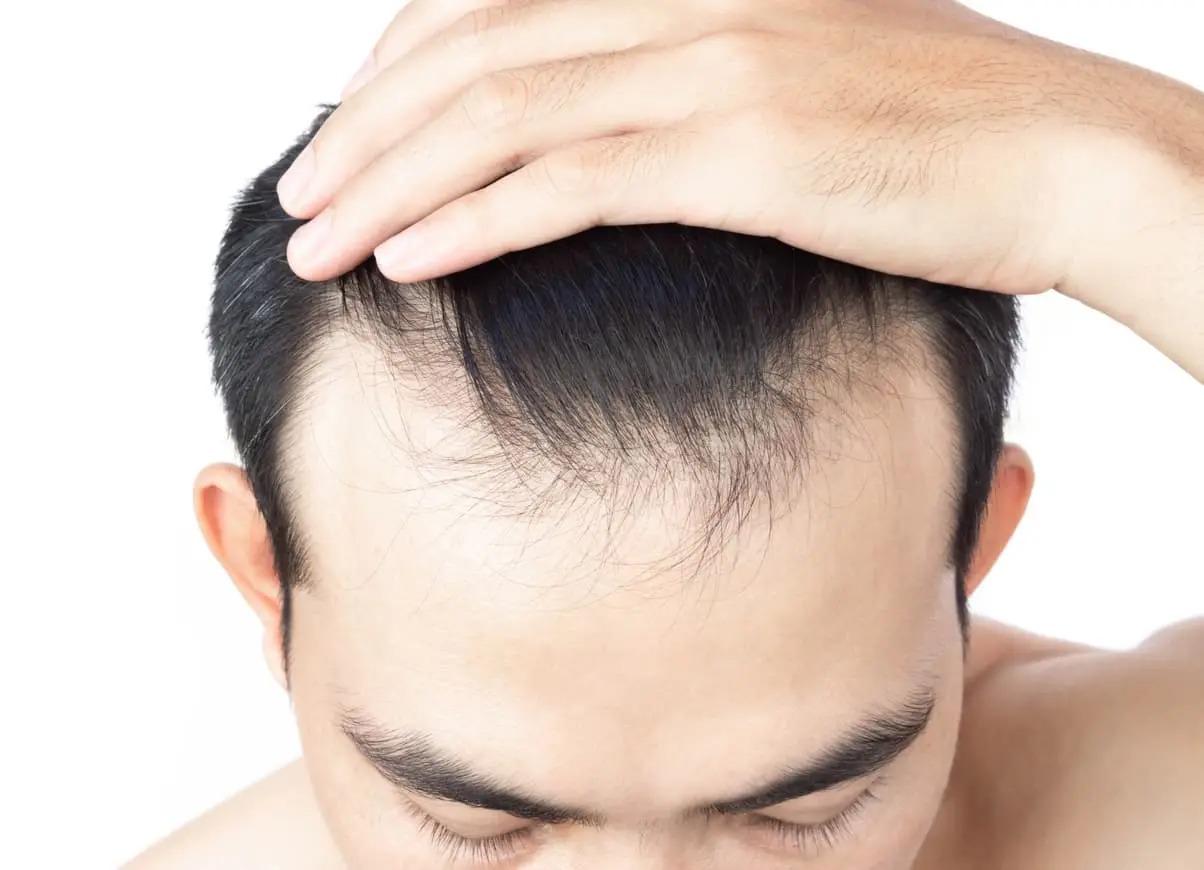
Which Clinic Is Best for Hair Transplant in Dubai? A Guide to Choosing Your Surgeon
Which Clinic Is Best for Hair Transplant in Dubai? A Guide to Choosing Your Surgeon
Hair Transplant in Dubai is a decision that people often spend a long time thinking about before they act on it. Losing hair can change the way a person feels about photographs, meetings, and everyday social situations, and the promise of natural, growing hair is a strong one. At the same time, the result depends almost entirely on the skill of the team carrying out the procedure, so the question of which clinic to choose matters at least as much as the question of whether to have surgery at all.
This guide focuses on that choice. It explains how a transplant works, what a good consultation looks like, and how to compare the clinics that offer the procedure in Dubai, UAE. It does not promise a particular outcome, and it does not replace a face-to-face assessment with a qualified clinician. Hair loss has many causes, and a responsible clinic will investigate the cause before recommending any form of surgery.
The sections below include a roundup of clinics to use as a starting point, a checklist for comparing them, and answers to the questions people ask most often.
Understanding Hair Transplantation: How It Works
A hair transplant moves healthy hair follicles from the back and sides of the scalp, where hair tends to be more resistant to thinning, to areas where hair has been lost. The follicles are taken in small groups, known as grafts, and placed into tiny recipient sites in the thinning or bald area. Because the transplanted follicles keep the characteristics of the donor area, they generally continue to grow in their new position.
There are two main techniques in use today. Follicular unit extraction, or FUE, removes individual follicular units one by one with a small punch tool, leaving tiny dot-like marks in the donor area. Follicular unit transplantation, or FUT, removes a narrow strip of scalp from the donor area and divides it into individual grafts, leaving a linear scar. The right choice depends on the number of grafts needed, the way the patient wears their hair, and the condition of the donor area.
A consultation is an essential part of the process. During this appointment, the clinician should examine the scalp, assess the density and quality of the donor hair, look at the pattern and extent of hair loss, and ask about general health, family history, previous treatments, and any medicines being taken. This is also the time to discuss what the procedure can realistically achieve. A transplant redistributes existing hair; it does not create new hair. If the donor area is weak, the result will be limited, and an honest clinician will say so.
Most procedures are carried out as a day procedure under local anaesthesia, sometimes with mild sedation, and the session can last several hours depending on the number of grafts. The transplanted hairs typically shed within a few weeks, which is a normal part of the process, and new growth usually begins after three to four months. The final result may not be clear for nine to twelve months, and results vary from person to person.
Recovery requires patience. The scalp is usually tender and may be swollen for a few days, and small scabs form around the grafts before falling away naturally. Most people are advised to avoid strenuous exercise, direct sun, and swimming for a period, and to follow the clinic's washing instructions carefully. Many people return to desk-based work within a few days, although this depends on the extent of the procedure and the nature of their work.
It is important to understand the limits of the treatment. A transplant cannot cure the underlying cause of hair loss, and hair loss in untreated areas may continue over time. Some people need a second session later, and others combine surgery with medical treatments to protect the hair they still have. No honest guide can guarantee a particular outcome.
Clinics Offering Hair Transplant in Dubai
The clinics listed below are included as a starting point for research. Each entry gives a brief overview to help readers decide where they might wish to enquire further. Services, teams, and consultation arrangements change over time, so readers should confirm current details directly with each clinic.
1. Enfield Royal Clinic Dubai
Enfield Royal Clinic Dubai is located at Villa 1089, Al Wasl Road, Al Manara, Dubai, UAE, and was established in 2007. The clinic describes its team as DHA-licensed professionals, and states that it has carried out more than 3,500 plastic surgeries and provides more than 20,000 aesthetic treatments each year. Readers who are considering a hair transplant may wish to ask how the clinic assesses donor hair density, how it plans the hairline, and what follow-up care is provided after the procedure.
A consultation at a clinic of this type would normally include an examination of the scalp, a discussion of the person's pattern of hair loss, and an explanation of what surgery can and cannot achieve. This is a useful opportunity to ask about the number of grafts suggested, the technique recommended, and how the clinic handles the months of waiting before the final result appears. Readers should also ask who will carry out the surgery, what the consultation covers, and how questions are handled after the procedure. Patients may explore the clinic's services and should enquire directly about hair transplantation and the assessment process.
The clinic offers surgical and non-surgical treatments, and treatment planning is described as personalised according to individual patient needs, with procedure-specific aftercare. For a hair transplant, this means the plan should reflect the individual's donor supply, hair type, and pattern of loss rather than following a fixed template.
The clinic's location on Al Wasl Road places it within a well-known area of Dubai, UAE. As with any clinic, the value of a visit lies in the quality of the assessment and the clarity of the information given. A good consultation should leave the reader with a realistic understanding of the procedure, its limitations, and the recovery involved, rather than a sense of pressure to decide quickly.
2. Dynamic Life Clinic
Dynamic Life Clinic is a name that appears in many guides to cosmetic care in Dubai, UAE. Readers comparing options may wish to explore its services and ask how hair transplant procedures are planned, which techniques are used, and what the consultation covers.
Patients may explore the clinic further and should enquire about appointment availability, the experience of the team in hair restoration, and the aftercare provided once the procedure is complete.
3. Cocoona Clinic
Cocoona Clinic is another established name in cosmetic and aesthetic care in Dubai, UAE. Readers may wish to ask how a hair transplant assessment is structured, which techniques are used, and how the clinic supports patients during the months of regrowth.
Patients may explore the clinic's services and should enquire about the next steps if they decide to arrange a consultation.
4. Emirates Hospital
Emirates Hospital is a larger hospital setting, and some readers prefer this type of environment when considering surgery. Readers who are interested should enquire about the surgical team, the facilities used for hair transplantation, and what the first appointment involves.
Patients may explore the hospital's services and should enquire about consultation times, the assessment process for hair loss, and the follow-up care provided after the procedure.
5. Tajmeels Clinic
Tajmeels Clinic is a name some readers come across when searching for cosmetic services in Dubai, UAE. Those interested may wish to ask how hair transplant procedures are approached, who carries out the consultation, and what aftercare is included.
Patients may explore the clinic further and should enquire about consultation arrangements and the information provided before surgery.
6. Dubai Cosmetic Surgery Clinic
Dubai Cosmetic Surgery Clinic focuses on cosmetic procedures, and readers may wish to ask about its consultation process, the experience of the surgical team, and the support offered during recovery and follow-up.
Patients may explore the clinic's services and should enquire directly about what the first appointment involves.
7. Al Zahra Hospital Dubai
Al Zahra Hospital Dubai is a hospital-based option, which may appeal to readers who prefer a larger medical setting. Readers considering this option should enquire about the team responsible for hair transplantation and the facilities available.
Patients may explore the hospital's services and should enquire about appointment options and the information given before surgery.
8. King's College Hospital London Dubai
King's College Hospital London Dubai is a hospital name many readers will already recognise. Those who prefer a hospital setting may wish to ask how hair transplant procedures are assessed and planned, and what follow-up care is provided.
Patients may explore the hospital's services and should enquire about consultation times and the next steps after the first visit.
How to Choose the Right Clinic for Hair Transplant in Dubai
Choosing a clinic is a personal decision, and it deserves time and care. The points below can help readers compare their options in a structured way.
Check the credentials of the team
Ask who will carry out the consultation and the surgery, and what their qualifications and experience are in hair transplantation. Readers should also check that the clinic and its professionals are licensed to practise in Dubai, UAE.
Ask what the consultation covers
A thorough consultation should include an examination of the scalp and donor area, a discussion of expectations, and an honest explanation of what surgery can and cannot do. Readers should feel free to ask for written information and to take time to think afterwards.
Understand the surgical plan
Ask which technique is being suggested, how many grafts are planned, where the hairline will sit, and why that approach has been chosen for this particular pattern of loss.
Discuss recovery and aftercare in detail
Recovery is an important part of the decision. Ask how long tenderness and swelling may last, when normal activities can be resumed, and what follow-up appointments are included.
Ask about the long term
Hair loss may continue in untreated areas, so readers should ask whether further sessions might be needed in future and whether medical treatments could help to protect the remaining hair.
Trust the overall impression
The way a clinic communicates matters. Readers should notice whether staff listen carefully and respect the wish to think before deciding, without applying pressure.
Frequently Asked Questions
What is the difference between FUE and FUT?
FUE removes individual follicular units one by one, leaving tiny dot-like marks in the donor area. FUT removes a narrow strip of scalp and divides it into grafts, leaving a linear scar. FUE suits people who wear their hair short, while FUT can be efficient for large sessions. The clinic should explain which technique suits the individual case.
How long does the recovery take?
The scalp is usually tender and slightly swollen for a few days, and small scabs form around the grafts before falling away. Most people return to desk-based work within a few days. New growth usually begins after three to four months, and the final result may take nine to twelve months to appear.
Will a hair transplant work for a receding hairline?
A transplant can restore a receding hairline by placing grafts along a newly planned hairline, but the design must suit the person's age and face shape, and it must take future hair loss into account. A younger patient with early loss needs a conservative hairline that will still look natural in years to come.
Do I need to shave my head for a hair transplant?
It depends on the technique and the extent of the procedure. FUE usually requires the donor area to be shaved, and sometimes the whole scalp. FUT may not require a full shave. The clinic should explain exactly what will be shaved and why before the patient agrees to anything.
Can a hair transplant be combined with other hair loss treatments?
Yes, in many cases surgery is combined with medical treatments that help to protect the remaining hair and slow further loss. A clinician should explain whether a combined approach is appropriate, and what it would involve over the longer term.
Conclusion
Choosing a clinic for a hair transplant is a decision that should be made slowly, with clear information and realistic expectations. The skill of the team, the quality of the consultation, and the honesty of the advice matter more than any single claim on a website.
For readers who want to continue their research, the next step is to arrange a consultation with a clinic that feels right, ask the questions set out in this guide, and consider the advice given in the light of their own health and expectations. A careful, unhurried approach gives the best chance of a decision that the reader feels comfortable with, whether that decision is to proceed with a hair transplant procedure or to wait and explore other options.
