

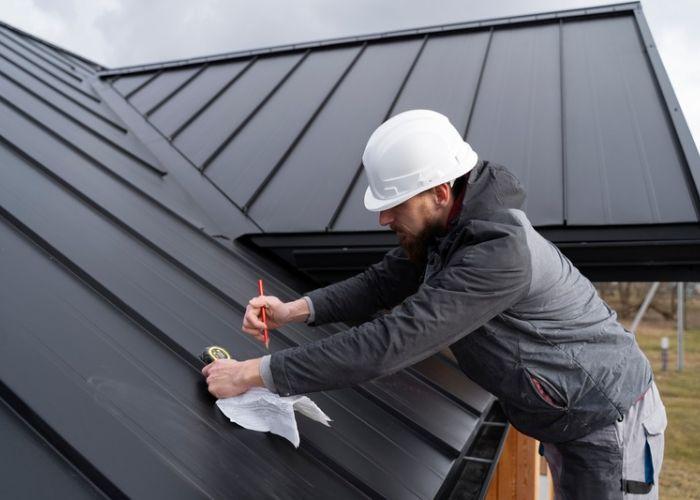

Severe weather inflicts immense pressure upon home structural defense systems, leaving behind subtle vulnerabilities. High winds can blow shingles off, and severe hail can break the important protective underlayment over big areas. Homeowners don’t see the first signs of structural deterioration since it starts high above the ground level. Visual examinations require an eye for subtle changes in the outside materials. Partnering with professional roofing companies in Cocoa, Florida provides early clarity regarding hidden structural strain. Quick diagnosis may help avoid small outside compromises from turning into expensive interior water damage after severe weather patterns move across your neighborhood.
Ground-Level Signs Reveal Hidden Overhead Damage
There are storms and then there are strong storms. Careful measurements at ground level often provide crucial clues on the state of a structure. Grains were accumulated around the drains, showing a large loss of surface from the impacts of hail or heavy rain washing. The yard was strewed with loose shingles, ripped off by the tremendous gusts of wind from the protective fasteners. Check the gutters for any twisted metal or any brackets that may have been disturbed by a falling branch.
Pay particular attention to the siding seams at the roofline-vertical wall junctions, since those are likely to crack first under tension. Edge trim build-up of debris and displaced underlying material is common and should be promptly attended to. New watermarks on the exterior walls can indicate drainage difficulties further up the slope. You’ll see paint flaking off under eave overhangs where water becomes trapped behind the fascia boards and can’t drain away.
Drooping gutter lines can indicate too much water weight or loose mounting gear and can threaten the general stability of the edge. Mild buckling may occur in metal flashing around chimneys or vent pipes due to small settling of structural frames under wind pressure. Any slight defect in the lower edges indicates potential problems higher up on the inclined surfaces.
Attic Spaces Show Signs of Leak Formation
The state of the attic interior areas directly reflects the performance of the top defenses against environmental influences. The torch beam will easily reveal wet patches of insulation long before water drips through interior ceiling plasterboard sheets. Frequently, water has seeped through one or more layers of underlayment, leaving fresh moisture stains on the dark timber rafters.
On warm afternoons, look carefully in the valleys below valley intersections and in the vicinity of vertical pipe penetrations. After big storms, if you see high humidity in the attic space, the ventilation system is not working properly, or moisture is entering through hidden gaps. If you notice damp odors in the higher storage spaces, this is a sign that moisture is being held under the structural decking boards. Sunlight filtering through roof boards is an indication that shingles or split wood panels are missing overhead.
The dark staining of the wood support beams indicates the path that water took through the inside framing. Structural boards that have softened or rusty nail heads are signs of continued exposure that will gradually reduce total load bearing stability. Prompt assessment of these inner spaces following severe weather will prevent small leaks from developing into extensive internal degradation.
Surface Textures Change Under High Impact Stress
These strikes from the hail are very circular in nature and cause damage to the protective asphalt coats, which then reveal the felt layers beneath. Wind gusts make horizontal crease lines on shingle surfaces that irreversibly damage internal fiberglass webbing. Loss of granules creates dark bare areas that speed UV damage on hot sunny afternoons after the storm. The displaced ridge tops totally expose the highest peak joints to the following rainstorms. Slightly elevated or warped shingles do not seal properly against neighboring rows, allowing wind-driven rain underneath.
Look for evidence of twisting or lifting around skylights, chimneys, and roof valleys by looking at the flashing. Heavy water runoff flows directly into the interior structural frame through bent metal flashing, unnoticed. Cracked tile materials or the presence of wood shakes are indicative of severe blunt force hits from flying tree branches. Missing sealant strips along metal seams cause moisture to gather and freeze, expanding gaps as temperatures fluctuate with the seasons. If these tiny changes in surface roughness can be detected early, then the entire protective layer will be totally impervious to any more rain.
Costly Interior Structural Failures Avoided with Professional Inspections
Slight roof damage may go unnoticed by casual bystanders, but it is easily noticed on a proper, hands-on inspection. Specialists, certified and using specialized equipment, safely walk steep slopes inspecting fragile seam sealants and hidden underlayments underneath. The photographs show tiny hail fractures, increased flashing, and microscopic granule loss that would otherwise go unnoticed.
Early diagnosis stops small surface damage from becoming expensive ceiling leaks and rotten timber. Regular expert inspections help to ensure the roof system’s structural integrity, value and lifespan.
Conclusion
When the weather turns nasty, preventative maintenance protects your entire home from accelerated structural collapse and costly internal moisture damage. Homeowners would be better suited to get skilled professionals such as Boulais Roofing Company to completely assess their overhead problems. The accredited staff provides thorough roof inspections, surface repairs, and full structural restoration procedures that are designed to maintain overall weather protection.
Their technical competence means that every tiny shingle break or elevated flashing joint is repaired promptly and to the highest standards. In the long run, calling on the services of experienced structural specialists will keep you safe, protect the value of your property, and keep your family comfortable through every storm season.
