

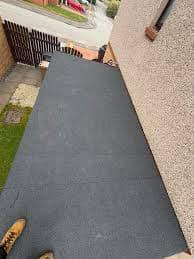
Lights Out Roof Repairs Aberdeen: Understanding Emergency Roofing Problems and Protecting Your Property

A damaged roof can quickly become a serious problem, particularly when unexpected weather conditions expose your property to rain, strong winds, or falling debris. Even a relatively small roofing defect can allow water to enter a building, damage ceilings, affect insulation, and create expensive structural problems if left untreated. Therefore, recognising roofing issues early and arranging appropriate repairs is essential for protecting your home or commercial premises.
For property owners in Aberdeen, maintaining a reliable roof is particularly important because Scotland's changing weather can put considerable pressure on roofing materials. Heavy rainfall, strong winds, freezing temperatures, and seasonal storms can gradually weaken roof coverings and expose existing defects. In such circumstances, lights out roof repairs aberdeen is an important consideration for anyone experiencing unexpected roofing damage and looking for practical ways to restore their property's protection.
Understanding common roofing problems, knowing when professional assistance is necessary, and taking sensible preventative measures can help homeowners avoid unnecessary disruption. This guide explains the importance of timely roof repairs, common warning signs, emergency roofing procedures, and the benefits of professional roofing maintenance.
Understanding Common Roofing Problems in Aberdeen
Roofs are continuously exposed to environmental conditions. Over time, this exposure can weaken materials, damage connections, and create openings through which moisture can enter.
In Aberdeen, changing weather conditions make regular roof inspections particularly valuable. Identifying developing problems early can prevent minor defects from becoming major repairs.
Roof Leaks and Water Ingress
Roof leaks are among the most common roofing problems experienced by property owners. They can develop when roof tiles become damaged, flashing deteriorates, or protective membranes lose their effectiveness.
Water entering through a damaged roof may cause several problems, including:
· Damp patches appearing on ceilings and walls.
· Peeling paint and damaged plasterwork.
· Deterioration of wooden roof structures.
· Mould growth in poorly ventilated areas.
· Damage to electrical fittings and insulation.
Importantly, the location of a ceiling stain does not always indicate where water is entering. Moisture can travel along roof timbers before becoming visible inside a building. Consequently, identifying the original source requires careful inspection.
Broken, Slipped, or Missing Roof Tiles
Roof tiles provide an important protective barrier against rainfall and wind. However, ageing materials, severe weather, and physical damage can cause tiles to crack, loosen, or become displaced.
Missing tiles expose the underlying roof structure to moisture. Furthermore, damaged sections can allow wind to lift neighbouring tiles, potentially increasing the affected area.
Replacing damaged tiles promptly helps maintain the roof's protective covering and reduces the possibility of further deterioration.
Damaged Roof Flashing
Flashing is commonly installed around chimneys, roof valleys, skylights, and other roof junctions. Its purpose is to direct water away from vulnerable connections.
When flashing becomes loose, cracked, or corroded, rainwater can penetrate the roof structure. Regular inspection of these areas is particularly important because flashing defects are not always visible from ground level.
Blocked Gutters and Downpipes
Gutters and downpipes direct rainwater away from the building. When leaves, moss, and other debris accumulate, water may overflow and collect around roof edges.
Over time, poor drainage can contribute to dampness, damaged fascias, and deterioration of external walls.
Keeping gutters clear is therefore an important part of maintaining the overall roofing system.
What Are Lights Out Roof Repairs?
Lights out roof repairs aberdeen can be understood as an emergency-focused roofing search term associated with situations where property owners need urgent attention to unexpected roof damage, particularly when problems develop outside normal working hours.
A roofing emergency may involve sudden water penetration, storm damage, displaced tiles, or damage that leaves an internal area exposed to the weather.
Although not every roofing defect requires immediate intervention, certain situations should never be ignored.
Situations That May Require Emergency Roofing Assistance
Some roofing problems can develop rapidly and require urgent professional assessment.
Common examples include:
· Severe roof leaks: Water entering living spaces or commercial premises during heavy rainfall.
· Storm damage: Missing tiles, damaged roof coverings, or displaced roofing materials following strong winds.
· Falling debris: Roofing components becoming loose and creating potential hazards.
· Structural concerns: Visible sagging or significant damage affecting the roof structure.
· Damaged flat roofs: Tears, punctures, or failed joints allowing water to penetrate the building.
· Chimney damage: Deteriorating chimney masonry or damaged flashing creating water ingress risks.
When these situations occur, arranging a professional assessment can help establish the severity of the damage and determine the safest repair approach.
Why Prompt Roof Repairs Matter
Delaying roofing repairs can increase the overall cost and complexity of restoring a property. Even a small opening can allow repeated moisture penetration, especially during prolonged rainfall.
Therefore, property owners should treat visible roofing damage seriously.
Preventing Structural Deterioration
Water penetration can gradually weaken wooden roof components, including rafters, battens, and supporting structures. Prolonged exposure to moisture may cause timber deterioration and compromise the roof's long-term performance.
Early repairs help limit the spread of water damage and protect important structural components.
Reducing Internal Property Damage
A leaking roof can affect several areas inside a building. Ceilings, plasterwork, flooring, furniture, and electrical installations may all be vulnerable.
Addressing the source of the leak quickly can help reduce the extent of internal restoration required.
Maintaining Energy Efficiency
Roofing defects can affect insulation performance. When insulation becomes damp or gaps develop within the roof structure, heat may escape more easily.
Consequently, maintaining the roof and replacing damaged insulation when necessary can support better indoor comfort and energy efficiency.
Protecting Property Value
A poorly maintained roof can negatively affect a property's appearance, condition, and market appeal.
Regular inspections and timely maintenance demonstrate responsible property management. They can also help identify defects before they become more expensive problems.
How Professional Roof Repair Services Work
Professional roofing work should begin with an assessment rather than immediately replacing materials. Understanding the cause of the problem is essential for selecting an appropriate and lasting repair.
For anyone researching lights out roof repairs aberdeen, understanding the professional repair process can help establish what to expect when arranging assistance.
Initial Roof Inspection
The first stage involves assessing the visible condition of the roof and identifying potential sources of damage.
Depending on the circumstances, an inspection may include:
· Checking roof tiles and slates.
· Examining flashing and roof junctions.
· Assessing gutters and drainage systems.
· Inspecting accessible roof structures.
· Identifying visible water penetration.
· Evaluating potential storm-related damage.
Professional roofers may use appropriate access equipment and inspection methods to assess difficult-to-reach areas safely.
Identifying the Cause of Damage
Finding the underlying cause is just as important as repairing the visible defect.
For example, replacing a damaged tile may not resolve a leak if deteriorated flashing is also allowing water inside.
Similarly, repairing a flat roof without investigating drainage problems could result in recurring water accumulation.
A thorough assessment helps ensure that the proposed repair addresses the actual problem.
Selecting Suitable Repair Materials
Roofing materials should be appropriate for the existing roof design, construction, and environmental exposure.
Depending on the roof type, repairs may involve replacement slates, tiles, flashing, waterproof membranes, or other compatible materials.
Using suitable materials helps maintain the roof's protective performance and overall appearance.
Completing and Checking the Repairs
Once the necessary work has been completed, the repaired area should be checked for visible defects and potential weaknesses.
The property owner should also receive a clear explanation of the work undertaken, any remaining concerns, and recommendations for future maintenance.
Different Types of Roof Repairs for Residential and Commercial Properties
Roofing requirements vary according to building design, construction materials, and the extent of existing damage.
Professional assessment helps determine which repair method is most appropriate.
Pitched Roof Repairs
Pitched roofs are commonly found on residential properties throughout Aberdeen. They generally use tiles or slates to provide weather protection.
Typical repair work includes:
· Replacing cracked or missing tiles.
· Securing loose roofing materials.
· Repairing damaged ridge tiles.
· Replacing deteriorated flashing.
· Addressing roof valley defects.
Maintaining these components helps prevent water penetration and protects the underlying roof structure.
Flat Roof Repairs
Flat roofs are frequently used on extensions, garages, commercial premises, and certain residential buildings.
Although they are designed with drainage provisions, damaged membranes and poorly maintained joints can allow water to collect and penetrate the building.
Common repairs include membrane patching, replacing damaged sections, sealing vulnerable joints, and addressing drainage problems.
Chimney and Roofline Repairs
Chimneys, fascias, soffits, and other roofline components contribute to the overall protection of a building.
Damaged mortar, loose chimney materials, deteriorating fascia boards, and defective connections can create additional maintenance requirements.
Regular inspections help property owners identify these problems before they develop into more extensive repairs.
Choosing a Reliable Roofing Contractor in Aberdeen
Selecting an appropriate roofing professional is an important part of achieving dependable repair results.
Property owners should consider more than the initial quotation when comparing roofing services.
Check Experience and Relevant Expertise
Different roofing systems require different repair techniques. Therefore, it is sensible to choose contractors with experience working on the particular roof type involved.
Ask whether they have handled similar roofing problems and whether they can explain the proposed repair method clearly.
Request a Written Quotation
A professional quotation should explain the recommended work, materials, labour, and any additional costs that may apply.
Clear documentation makes it easier to understand the scope of the project and compare different contractors fairly.
Confirm Insurance and Workmanship Arrangements
Before agreeing to roofing work, check that the contractor has appropriate insurance and ask about any workmanship guarantees or warranties available.
These details provide greater clarity about the arrangements surrounding the work.
Look for Clear Communication
Reliable contractors should explain roofing problems in understandable language and provide realistic expectations regarding repair timescales.
They should also communicate if additional defects are discovered during the work.
For property owners considering lights out roof repairs aberdeen, these checks can help make the process of choosing an appropriate roofing service more straightforward.
Emergency Roof Damage: What Should Property Owners Do?
When a roofing emergency occurs, taking sensible precautions can help minimise further damage while waiting for professional assistance.
Prioritise Personal Safety
Never attempt to climb onto a damaged roof, particularly during strong winds, heavy rain, or icy conditions.
Loose tiles, unstable surfaces, and hidden structural weaknesses can create serious hazards.
If there is visible structural instability, keep people away from the affected area and seek appropriate emergency assistance.
Protect Internal Belongings
If water is entering the property, move furniture, electrical equipment, and valuable belongings away from the affected area where it is safe to do so.
Place suitable containers beneath minor leaks to collect dripping water.
However, avoid touching electrical fittings or equipment affected by water. If there is an electrical hazard, keep clear and contact a qualified electrician or emergency service as appropriate.
Document Visible Damage
Photographs and videos can help record the condition of the property following a roofing incident.
This documentation may also be useful when contacting an insurer.
Arrange a Professional Assessment
Contact an appropriate roofing contractor to explain the problem and establish whether an emergency inspection is available.
Temporary weatherproofing may be necessary to reduce further water penetration until permanent repairs can be completed.
Preventative Roofing Maintenance for Long-Term Protection
Although emergency repairs are sometimes unavoidable, regular maintenance can help reduce the likelihood of unexpected roofing problems.
A practical maintenance routine should include several important checks.
Schedule Regular Roof Inspections
Professional inspections can identify cracked tiles, deteriorating flashing, loose ridge components, and other defects before they become serious.
The inspection frequency should reflect the roof's age, condition, materials, and exposure to weather.
Keep Gutters and Drainage Clear
Remove accumulated leaves and debris from gutters and downpipes using safe and appropriate methods.
Proper drainage helps prevent overflowing water and reduces unnecessary moisture exposure around the roofline.
Monitor Moss and Vegetation
Moss can retain moisture and accumulate on roofing surfaces. Excessive growth may also interfere with drainage.
However, cleaning methods should be suitable for the roof material. Aggressive pressure washing can damage certain tiles and slates.
Inspect After Severe Weather
Following particularly strong winds or storms, look for visible signs of damage from ground level.
Check for missing tiles, displaced components, overflowing gutters, and signs of water entering the property.
Arrange a professional inspection if anything appears unusual.
Maintain Roof Ventilation
Appropriate roof ventilation helps manage moisture and condensation within the roof space.
Poor ventilation can contribute to condensation, damp insulation, and timber deterioration. Therefore, ventilation should be considered as part of wider roofing maintenance.
Frequently Asked Questions About Roof Repairs in Aberdeen
How Do I Know If My Roof Needs Emergency Repairs?
Visible water entering the property, missing roofing materials, significant storm damage, and structural instability are potential signs of an emergency. Arrange a professional assessment as soon as possible and avoid accessing damaged roof areas yourself.
Can a Small Roof Leak Cause Serious Damage?
Yes. Even a relatively small leak can cause considerable damage if water continues entering the building. It may affect insulation, ceilings, timber structures, and electrical installations.
Are Roof Repairs Possible During Bad Weather?
Some emergency measures may be possible depending on weather conditions, roof accessibility, and safety considerations. However, permanent repairs may need to wait until conditions allow suitable working practices.
How Often Should a Roof Be Inspected?
Inspection frequency depends on the roof's age, materials, condition, and exposure to weather. Many property owners arrange periodic professional inspections and additional checks following severe storms.
Should I Repair or Replace My Roof?
The decision depends on the extent of damage, the roof's overall condition, its age, and the likely cost of continued repairs. Localised defects may only require targeted repairs, whereas widespread deterioration could justify considering replacement.
Why Is Professional Roofing Assistance Important?
Roofing work involves working at height, identifying hidden defects, and selecting suitable materials. Experienced professionals can assess these factors and recommend appropriate repairs while following relevant safety requirements.
Conclusion
Maintaining a secure roof is essential for protecting residential and commercial properties against Aberdeen's changing weather conditions. From missing tiles and damaged flashing to persistent leaks and storm-related deterioration, roofing problems should be investigated before they cause more extensive damage.
Understanding the warning signs, arranging timely inspections, and investing in preventative maintenance can help property owners protect their buildings and manage long-term maintenance costs. When unexpected damage occurs, lights out roof repairs aberdeen remains a relevant search for those looking to understand urgent roofing requirements and explore suitable repair assistance.
For professional roofing guidance, property owners can consider contacting Aberdeen Roof Repairs to discuss their roofing concerns, understand the available repair options, and determine the most appropriate next steps. Prioritising roof maintenance and addressing defects promptly can help maintain a safer, more weather-resistant, and better-protected property.
