

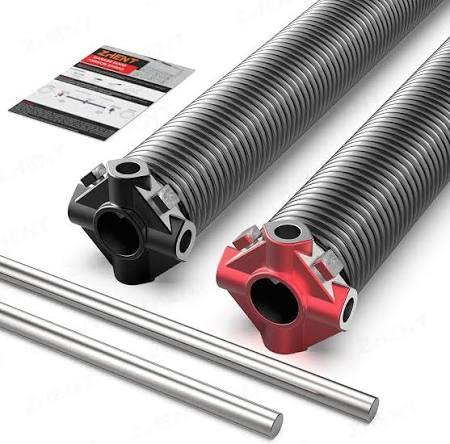
**How Can You Choose the Best Garage Door Spring Replacement for Your Home?**
Choosing the Best Garage Door Spring Replacement is about more than installing a new spring when the existing one breaks. Garage door springs carry the weight of the door, support controlled movement, and help the opener operate without unnecessary strain. When a spring becomes worn, damaged, or incorrectly matched to the door, the entire system can become unreliable.
Homeowners often focus on finding a quick replacement, but selecting the correct spring type, size, cycle rating, and installation method is equally important. A spring that does not match the door's weight and design may create balance problems or lead to premature wear.
A professional assessment helps determine which replacement is appropriate for the existing garage door system. Companies such as Legacy Garage Doors can help homeowners understand their replacement needs and the factors that influence a suitable spring solution.
This guide explains how to evaluate replacement options, identify compatibility requirements, compare service providers, and understand what should happen before and after installation.
Why Does Choosing the Correct Replacement Spring Matter?
Garage door springs perform an essential mechanical function. They counterbalance the door's weight so that it can open and close with controlled movement. Without properly functioning springs, a garage door may become extremely difficult or unsafe to operate.
Selecting a replacement based only on appearance can create problems. Two springs may look similar but have different lifting capacities, dimensions, and operating characteristics.
A suitable replacement should account for several factors:
· Door weight: The spring must be properly rated for the weight it supports.
· Door dimensions: Door height and configuration influence spring requirements.
· Spring design: Torsion and extension systems operate differently.
· Operating frequency: How often the door is used affects expected spring lifespan.
· Hardware compatibility: The replacement must work with the existing shaft, cables, drums, and other components.
The objective is to restore the door's intended balance rather than simply make it move again.
What Should Homeowners Know About Different Garage Door Spring Types?
Before selecting a replacement, it is important to understand which spring system is installed. Most residential garage doors use torsion springs or extension springs.
Torsion Springs
Torsion springs are generally mounted on a metal shaft above the garage door opening. They store mechanical energy by twisting as the door moves.
When the door closes, the springs store energy. During opening, that stored energy helps counterbalance the door's weight.
Torsion systems may use one or more springs depending on the door's design and weight. Replacement specifications must match the system's requirements, including wire size, inside diameter, length, and spring configuration.
Extension Springs
Extension springs are typically installed along the horizontal tracks on either side of the garage door. They stretch and contract as the door operates.
These systems commonly use safety cables to help contain a spring if it breaks. The replacement must be compatible with the door's weight, track arrangement, and original hardware.
Why the Difference Matters
Torsion and extension springs are not interchangeable simply because they perform a similar function. Each system has its own installation requirements and safety considerations.
A qualified technician should identify the existing system before recommending a replacement. This prevents homeowners from choosing a spring based on incomplete information.
How Can You Evaluate the Quality of a Garage Door Spring?
Spring quality should be evaluated through specifications and suitability rather than appearance alone. A visually heavy or thick spring is not automatically the right option for every garage door.
Consider these important characteristics when comparing replacement products.
1. Correct Spring Dimensions
Spring wire size, inside diameter, and length influence its performance. These measurements must be selected according to the garage door's requirements.
An incorrectly sized spring may create excessive tension, insufficient lifting assistance, or an unbalanced door.
2. Appropriate Cycle Rating
A spring's cycle rating indicates its designed operating life under specified conditions. One cycle generally means one complete opening and closing operation.
A higher cycle rating may be worth considering for a garage door that is used frequently. However, actual lifespan can also depend on installation quality, environmental conditions, maintenance, and door alignment.
3. Material and Manufacturing Quality
The material and manufacturing process can influence durability and resistance to wear. Homeowners should ask about the replacement spring's specifications and whether it is suitable for their particular system.
4. Compatibility With Existing Hardware
A replacement spring must work with the garage door's other mechanical components. Even a quality spring can perform poorly if it is not compatible with the existing setup.
The technician should inspect the complete spring system before finalizing the replacement.
What Happens During a Professional Spring Replacement Assessment?
A proper replacement begins with an evaluation rather than immediately installing a new component. The assessment helps identify the cause of failure and determine whether other parts have also been affected.
Inspecting the Door's Overall Condition
The technician should examine the door panels, tracks, rollers, hinges, cables, and mounting hardware. Damage or wear in these components may affect how the door moves after spring replacement.
For example, a door with damaged rollers may continue to operate unevenly even after a broken spring has been replaced.
Identifying the Existing Spring Configuration
The technician determines whether the door uses a torsion or extension spring system. The spring arrangement, dimensions, and relevant hardware specifications are then evaluated.
Checking Door Weight and Balance Requirements
Spring selection should be based on the actual requirements of the garage door. Door weight and configuration help determine the appropriate spring specifications.
Reviewing Related Mechanical Components
Cables, drums, bearings, shafts, and safety devices may require attention. Replacing a spring without considering these components can leave underlying mechanical problems unresolved.
Explaining the Recommended Replacement
Before work begins, homeowners should receive an explanation of the recommended spring type, replacement scope, relevant costs, and any additional components that need attention.
This makes it easier to understand what the service includes.
How Can You Identify a Reliable Spring Replacement Service Provider?
Finding a suitable service provider involves more than comparing advertisements. Homeowners should look for clear communication, relevant experience, safety awareness, and a proper inspection process.
Look for Spring System Experience
A provider should understand both torsion and extension spring systems and be able to explain the differences when discussing replacement options.
Experience with different garage door configurations is useful because spring requirements vary from one door to another.
Ask How Spring Specifications Are Selected
A reliable technician should explain how the replacement spring is matched to the door. Be cautious of recommendations based only on visual similarity or a general statement that one spring fits every door.
Confirm the Scope of Work
Ask whether the service includes inspection of related hardware, door balance testing, and operational checks. Understanding the scope helps avoid confusion about what is included in the replacement.
Evaluate Communication and Transparency
A professional provider should explain the condition of the existing system, discuss available options, and identify any additional work before proceeding.
Review Relevant Customer Feedback
Customer feedback can provide useful information about communication, scheduling, professionalism, and service experiences. However, reviews should be considered alongside the provider's actual inspection process and explanations.
Why Consider Professional Garage Door Spring Replacement?
Garage door springs operate under substantial tension. Incorrect handling can result in serious injuries or property damage. This is why spring replacement is not an appropriate do-it-yourself project for most homeowners.
Professional service offers several important advantages:
· Correct component selection: The replacement is chosen according to the door's specifications.
· Safer handling: Trained technicians use appropriate procedures and tools for high-tension components.
· Related hardware inspection: Other worn or damaged parts can be identified during the assessment.
· Proper adjustment: The spring system can be adjusted to support controlled door movement.
· Operational verification: The technician can test the door after installation and identify remaining issues.
For homeowners considering the Best Garage Door Spring Replacement Service, these factors are more meaningful than choosing a provider based on a low advertised price alone.
What Factors Influence Garage Door Spring Replacement Cost?
Replacement costs vary because garage doors do not all use the same spring systems. The final estimate may depend on the parts required, the complexity of the installation, and the condition of the surrounding hardware.
Common cost considerations include:
Spring Type and Specifications
Torsion and extension springs have different designs and installation requirements. Spring dimensions, capacity, and cycle rating may also influence the price.
Number of Springs
Some garage doors use a single spring, while others use two. If a system uses matching springs, the technician may recommend replacing both when one fails, depending on their condition and the manufacturer's specifications.
Condition of Supporting Components
Damaged cables, worn bearings, deteriorated rollers, or other hardware problems may increase the scope of work.
Labor and Installation Requirements
The time and expertise required can vary according to the garage door's configuration, accessibility, and condition.
Warranty and Service Coverage
Ask what warranty applies to the replacement parts and installation labor. Review any conditions or exclusions before approving the work.
Homeowners should request an itemized estimate rather than relying on a general price advertised without an inspection.
What Should You Check After a New Spring Is Installed?
Replacement is not complete simply because the garage door starts moving again. The system should be checked to confirm that the door operates correctly.
Important post-installation checks include:
· Door balance: The technician should verify that the spring system appropriately counterbalances the door.
· Smooth movement: The door should travel without unusual jerking, binding, or uneven movement.
· Cable condition: Cables should be properly positioned and free from visible damage.
· Track alignment: The tracks should support consistent door movement.
· Opener operation: The opener should operate without unnecessary strain.
· Safety features: Appropriate safety and reversing functions should be checked according to the door and opener manufacturer's instructions.
Homeowners should also receive guidance about normal operation and any follow-up service recommendations.
How Can You Extend the Service Life of a Replacement Spring?
Although garage door springs naturally experience wear, responsible system care can help reduce unnecessary strain.
Avoid Overloading the Garage Door
Do not attach additional weight to the door or use it to support items that were not part of its original design. Extra weight can affect the spring system's balance.
Keep the Tracks and Rollers in Good Condition
Misaligned tracks and worn rollers can make door movement difficult. Periodic inspection helps identify these issues before they place additional stress on the system.
Pay Attention to Changes in Operation
Unusual noises, uneven movement, or changes in opening speed may indicate a developing mechanical problem. These symptoms should be evaluated rather than ignored.
Arrange Periodic Professional Inspections
A professional inspection can identify wear in the spring system and supporting hardware. Follow the maintenance recommendations provided for your specific garage door.
Do Not Adjust Springs Yourself
Never attempt to tighten, loosen, remove, or reposition a garage door spring. Even a seemingly small adjustment can release stored energy unexpectedly.
How Does Legacy Garage Doors Help Homeowners Make Better Replacement Decisions?
Choosing a replacement service should involve understanding the condition of the complete garage door system. A broken spring may be the most visible problem, but other components can also affect performance.
Legacy Garage Doors is a brand homeowners can consider when evaluating garage door service needs. When discussing spring replacement, homeowners should expect the assessment to address the existing spring configuration, compatibility requirements, related hardware, and the condition of the door.
The most useful replacement recommendation is one that explains why a particular spring is appropriate instead of simply suggesting a quick component swap.
Homeowners can also ask about replacement specifications, installation procedures, warranty coverage, and post-installation testing. These questions help establish clear expectations before work begins.
Frequently Asked Questions
1. How Do I Know When My Garage Door Spring Needs Replacement?
Common warning signs include a visible gap in a spring, a garage door that feels unusually heavy, difficulty opening, uneven movement, or a door that stops before reaching its normal position. A professional inspection can confirm whether the spring has failed.
2. Should Both Garage Door Springs Be Replaced at the Same Time?
If a garage door uses two matching springs and one breaks, the other may have experienced similar wear. A technician should inspect both and explain whether replacing the pair is appropriate for the system.
3. Are Torsion Springs Better Than Extension Springs?
Neither system is automatically better for every garage door. The appropriate design depends on the door's construction, available space, weight, and hardware configuration.
4. How Long Does a Replacement Garage Door Spring Last?
Spring lifespan depends on its cycle rating, usage frequency, installation quality, and operating conditions. A higher cycle rating generally indicates a greater designed number of operating cycles, but it does not guarantee a specific number of years.
5. Can I Open My Garage Door With a Broken Spring?
Operating a garage door with a broken spring is not recommended. The door may be extremely heavy, unstable, or difficult to control. Avoid using the automatic opener and arrange professional service.
6. What Should I Ask a Garage Door Spring Replacement Company?
Ask how the spring is selected, whether the supporting hardware will be inspected, what the estimate includes, and what warranty applies. You should also ask whether the technician will check door balance and operation after installation.
7. Is a Higher-Cycle Spring Always the Best Choice?
Not necessarily. A higher-cycle spring may be useful for a frequently used garage door, but it must still match the door's weight and mechanical requirements. Compatibility and correct installation remain essential.
Conclusion
The Best Garage Door Spring Replacement depends on choosing the correct component, understanding the door's mechanical requirements, and ensuring that the complete system is properly evaluated. Spring dimensions, cycle ratings, door weight, hardware compatibility, and installation quality all influence the result.
Rather than selecting a replacement based only on appearance or advertised price, homeowners should prioritize a detailed inspection and a clear explanation of the recommended work. A properly matched spring can help restore controlled movement and reduce unnecessary strain on the garage door opener.
