

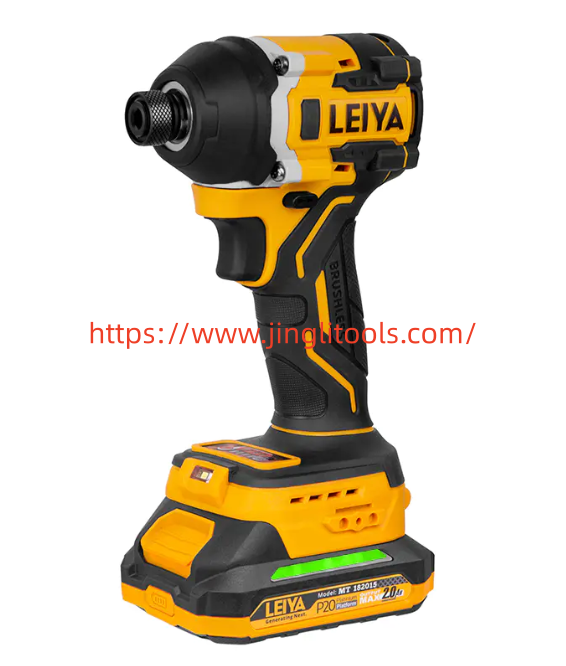

Power Wrenches selection should begin with a clear understanding of the fastening task, required torque range, and working environment. Products with similar appearances may have different motor systems, drive sizes, energy supplies, and control functions. These differences can influence equipment compatibility, operator handling, and fastening consistency. For distributors, industrial purchasing teams, and workshop managers, reviewing these details before ordering helps establish suitable purchasing requirements and gives manufacturers the information needed to recommend an appropriate configuration.
Identify the Required Torque Range
Torque requirements should be established before comparing product models. Different fastening jobs involve different bolt sizes, materials, thread conditions, and assembly specifications. A task involving small machinery fasteners may require a different output range from one used for vehicle maintenance or heavy equipment assembly.
Buyers should identify the fastener dimensions, tightening requirements, and expected workload. If the application follows a specified torque value, include that information in the purchasing inquiry. It is also useful to clarify whether the equipment will mainly tighten fasteners, loosen them, or perform both operations.
Avoid selecting a model based only on a general description such as industrial use. A detailed application brief helps the manufacturer review the required output and discuss suitable operating parameters.
Compare Energy Supplies and Drive Configurations
The energy supply influences how the equipment fits into a workshop or production environment. Corded electric models can be considered for workstations with accessible electrical outlets, while cordless versions offer greater freedom of movement where cables may restrict access. Pneumatic designs may be relevant in facilities that already operate compressed-air systems.
Drive size is another important purchasing detail. The selected connection must match the sockets and fasteners used in the application. Buyers should also review direction control, speed settings, and available adjustment functions.
When comparing configurations, consider the surrounding equipment and the working distance from an outlet or air connection. These practical details can affect daily operation and should be discussed before confirming an order.
Examine the Motor and Internal Drive Design
The motor and reduction system contribute to the equipment's operating characteristics. Buyers can ask about motor type, gear arrangement, forward and reverse functions, and the design of the internal transmission.
A suitable mechanical arrangement should correspond to the intended fastening workload. For frequent assembly operations, purchasing teams may need to review operating cycles, heat management, and maintenance access. For intermittent workshop tasks, portability and ease of handling may receive greater attention.
It is also helpful to ask how the manufacturer evaluates output consistency and mechanical operation during production. Technical documentation and sample testing can provide useful information for comparing different configurations.
Consider Handling, Weight, and Working Space
Operator comfort is an important part of equipment selection, particularly when fastening tasks are repeated throughout a shift. Buyers should consider overall weight, handle shape, grip surface, trigger position, and balance.
The working environment also affects the required structure. A compact assembly area may have limited clearance around bolts, while vehicle maintenance can involve fasteners positioned at different angles. Buyers should therefore describe the available space and the direction from which operators approach the workpiece.
Where possible, evaluate a sample in a representative working environment. Check whether the handle can be held securely, whether controls are easy to reach, and whether the equipment can be positioned without unnecessary strain.
Review Safety and Maintenance Requirements
Fastening equipment should be selected with appropriate operating and maintenance procedures in mind. Buyers should review the manufacturer's instructions for correct socket use, tightening procedures, inspection intervals, and personal protective equipment.
Depending on the model, relevant design considerations may include overload protection, secure grip surfaces, controlled operation, and mechanisms that help manage reaction forces. These features should be assessed against the intended application and the product documentation.
Maintenance arrangements also deserve attention. Ask about access to replacement parts, service guidance, motor inspection, and routine cleaning. A clear maintenance plan helps purchasing teams prepare for ongoing use and coordinate support with the supplier.
Evaluate the Manufacturer's Production and Customization Process
A supplier assessment should cover engineering support, production resources, inspection procedures, and order communication. Buyers can ask whether the manufacturer supports product development from technical drawings or physical samples, and how design changes are reviewed before production.
jinglitools provides fastening equipment development and manufacturing services, with integrated resources covering mold development, die casting, injection molding, machining, motor manufacturing, and assembly. Its manufacturing process also includes inspection from incoming materials and components through finished product checks.
For customized projects, buyers should provide the intended application, required torque range, housing preferences, energy configuration, and estimated order quantity. These details help the engineering team evaluate the proposal and discuss the development process.
Confirm Samples, Inspection, and Delivery Details
Before approving a larger order, discuss whether samples can be provided for evaluation. Testing should reflect the intended fastening task and include checks for operation, handling, compatibility, and relevant output requirements.
Buyers should also agree on inspection criteria. Depending on the product, these may cover appearance, dimensions, electrical safety, operating functions, and other agreed performance checks. Ask whether inspection records or third-party testing arrangements are available when required.
Commercial details should be confirmed at the same time. Clarify order quantity, packaging, production schedule, shipping method, and procedures for handling product revisions. Clear documentation can help reduce misunderstandings during repeat purchases.jinglitools works with customers on product development and customized manufacturing based on project requirements. Buyers can share technical drawings, samples, and application information to begin a focused discussion. To review available product categories and discuss sourcing requirements, visit https://www.jinglitools.com/product/ and provide the specifications relevant to your fastening application.
