

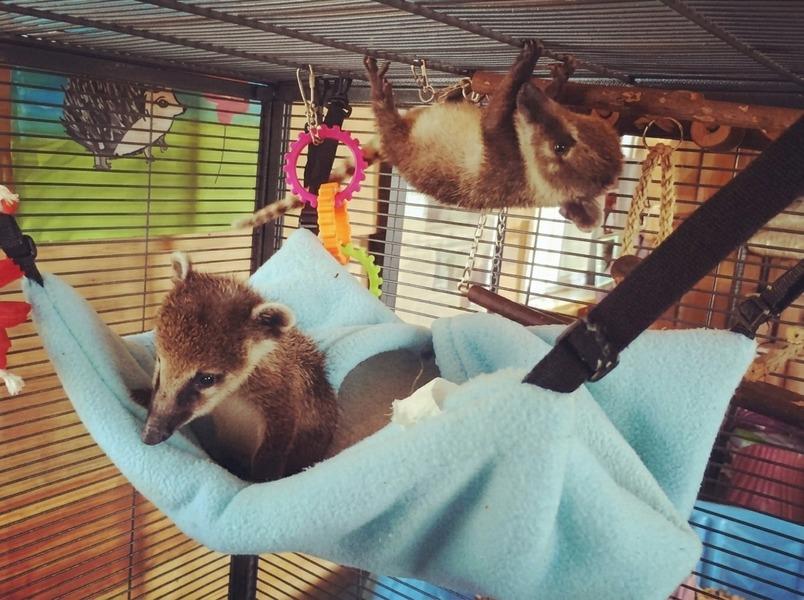

Bush babies are fascinating small primates known for their large, round eyes, soft fur, and incredible jumping abilities. These adorable animals are native to different regions of Africa, where they live in forests, woodlands, and areas with plenty of trees. Their unusual appearance and active personalities make them interesting creatures for wildlife enthusiasts. Learning about their natural behavior, habitat, diet, and care requirements is essential for anyone interested in understanding these unique animals.
If you are researching bush babies, it is important to understand that these exotic primates have specialized needs and require responsible care. They are nocturnal animals, which means they are most active during the night and spend much of the daytime resting. Prety Exotic is a website where exotic animal enthusiasts can explore information about unique animals and learn more about available options. Before considering one as a companion, potential owners should understand the commitment involved in providing a suitable environment.
What Are Bush Babies?
Bush babies, also called galagos, are small primates belonging to the family Galagidae. They are recognized by their enormous eyes, long tails, strong hind legs, and excellent hearing. Their bodies are adapted for climbing, leaping, and moving quickly through trees. Depending on the species, their size, fur color, and physical characteristics may vary.
These animals have excellent night vision, allowing them to navigate through dark forests while searching for food. Their large ears help them detect insects and other small creatures. They also communicate through different sounds, including clicks, calls, and cries.
Natural Habitat and Behavior
In the wild, bush babies inhabit various African environments, including tropical forests, savannas, and wooded areas. They prefer locations with plenty of trees and vegetation because these provide shelter, sleeping places, and opportunities for movement.
They are skilled climbers and jumpers. Their powerful back legs allow them to leap impressive distances between branches. Their long tails help maintain balance while moving through trees. During the daytime, they usually sleep in tree hollows, nests, or dense vegetation.
At night, they become energetic and begin searching for food. Their natural behavior includes climbing, jumping, grooming, exploring, and communicating with other members of their species.
Diet and Feeding Requirements
Bush babies have varied diets that depend on their species and natural habitat. Many consume insects, fruits, tree gum, nectar, and other naturally available foods. Some species rely heavily on insects, while others include more plant-based foods in their diets.
Providing appropriate nutrition is extremely important for their well-being. Their dietary requirements should be carefully researched, and professional exotic animal veterinarians can help establish a balanced feeding plan.
Fresh drinking water should always be available. Feeding routines should also consider the animal's natural nighttime activity. A suitable diet supports healthy development, energy levels, and overall condition.
Housing and Environmental Needs
A proper living environment is one of the most important considerations when caring for an exotic primate. Bush babies need spacious, secure enclosures that allow climbing, jumping, and natural movement. Their environment should include branches, platforms, hiding areas, and comfortable resting spaces.
Temperature and humidity should be maintained according to the specific species' requirements. The enclosure must also be protected from hazards, including sharp objects, toxic plants, and potential escape points.
Mental stimulation is equally important. Different climbing structures and safe enrichment activities can encourage natural behaviors and prevent boredom. Regular cleaning and proper hygiene help maintain a healthy environment.
Are Bush Babies Suitable as Pets?
Although these animals may look adorable, they are not ordinary household pets. Their nocturnal lifestyle, specialized diet, strong climbing instincts, and complex social and environmental needs make them challenging to care for.
Potential owners should research local wildlife regulations and determine whether keeping a bush baby is legally permitted. Some locations require special permits, while others restrict private ownership entirely.
It is also important to consider access to an experienced exotic animal veterinarian. Regular health examinations and professional guidance are essential for maintaining their well-being. Responsible ownership means prioritizing the animal's needs rather than simply choosing an exotic animal because of its appearance.
Interesting Facts About Bush Babies
Bush babies have several remarkable characteristics that make them stand out among small primates.
-
Their large eyes help them see in low-light conditions.
-
They can make powerful jumps using their strong hind legs.
-
Their long tails help them balance while climbing.
-
They communicate through different vocal sounds.
-
Many species use scent marking to communicate.
-
Their flexible bodies help them move quickly between branches.
These fascinating adaptations allow them to survive and thrive in their natural environments.
Why Responsible Research Matters
Learning about exotic animals before making ownership decisions is extremely important. Bush babies have specialized biological and behavioral needs that cannot always be met through ordinary pet care practices. Understanding their natural environment, feeding habits, health requirements, and legal protections helps people make informed decisions.
Prety Exotic provides an online platform for people interested in exploring exotic animals and learning more about different species. Visitors can research available information and understand the responsibilities associated with exotic animal ownership.
Conclusion
Bush babies are extraordinary primates with unique physical features, fascinating nighttime behavior, and impressive jumping abilities. Their intelligence, agility, and adorable appearance make them interesting subjects for wildlife lovers. However, they require specialized care, suitable housing, appropriate nutrition, and professional veterinary attention. Anyone interested in these animals should prioritize responsible research, legal requirements, and animal welfare. Understanding their natural needs is the first step toward appreciating these remarkable creatures and supporting their well-being.
