


How Long Should You Stay in a Sauna During a Typical Session?
Understanding how long should you stay in a sauna is important for enjoying a comfortable experience while respecting your body's response to heat. For many healthy adults, a traditional sauna session of approximately 10 to 20 minutes is a commonly discussed guideline, although recommendations vary according to temperature, humidity, individual health, and experience. People who are new to sauna bathing should begin with shorter sessions, often around 5 to 10 minutes, rather than immediately attempting the longest suggested duration. More experienced users may tolerate a longer session, but remaining inside until discomfort develops is never a good goal. The purpose of sauna use is to enjoy controlled heat exposure, not to test physical endurance. Temperature, ventilation, hydration, and the type of sauna all influence how a person feels. Some individuals may need to leave much sooner than the suggested time range. Learning how long should you stay in a sauna means understanding that the clock is only a general guide. Personal comfort, safety, and the manufacturer's operating instructions should always take priority over a fixed number of minutes.
Why Does Sauna Session Duration Matter?
The amount of time spent inside a sauna matters because the body responds to heat by increasing blood flow to the skin and producing sweat to help regulate temperature. Understanding how long should you stay in a sauna helps prevent unnecessary heat exposure and allows people to enjoy the experience more responsibly. During a session, body temperature can rise, sweating increases, and fluid is lost. These responses are part of the body's normal reaction to a hot environment, but prolonged exposure can increase the possibility of dehydration, dizziness, weakness, and overheating. A longer session does not automatically provide greater relaxation or better results. In fact, staying inside after feeling uncomfortable can make the experience unpleasant and potentially unsafe. A sensible session should end while the person still feels comfortable enough to leave without difficulty. The appropriate duration can also change from one day to another depending on sleep, hydration, activity, room temperature, and general health. When considering how long should you stay in a sauna, remember that a moderate session with adequate cooling time is generally more sensible than attempting to remain in extreme heat for as long as possible.
How Long Should Beginners Stay in a Sauna?
Beginners should take a gradual approach when deciding how long should you stay in a sauna because their bodies may not yet be accustomed to high temperatures. Starting with approximately 5 to 10 minutes can provide an opportunity to understand how the heat feels without committing to a lengthy session. The first experience should be comfortable, with an easy exit and access to drinking water afterward. New users should avoid selecting the highest available temperature or copying the duration used by experienced sauna bathers. If the first few sessions feel comfortable, the duration may be increased gradually within the limits recommended by the sauna manufacturer and appropriate health guidance. There is no requirement to increase session length every time, and some people may prefer shorter visits even after becoming familiar with the equipment. Beginners should also learn where the controls are located, how the door opens, and how to leave the cabin without difficulty. Understanding how long should you stay in a sauna at the beginning helps establish sensible habits that can continue throughout regular use. A comfortable introduction is more valuable than trying to achieve an impressive session time.
How Long Should Experienced Adults Stay in a Sauna?
People who already use saunas regularly may have a better understanding of their personal heat tolerance, but experience does not remove the need for sensible time limits. When considering how long should you stay in a sauna, many healthy adults use sessions around 10 to 20 minutes as a general reference, with some health sources recommending approximately 15 to 20 minutes. However, a person's usual routine should not be treated as permission to ignore discomfort or remain inside longer than is appropriate. Heat tolerance can change with age, hydration, medications, illness, recent physical activity, and the temperature of the room. A session that feels comfortable on one occasion may feel much more intense under different conditions. Experienced users should still leave when they feel overheated, weak, dizzy, nauseated, or otherwise unwell. Taking a cooling break between sessions may also be preferable to remaining inside continuously. The goal is to maintain a comfortable routine rather than increase duration for its own sake. Understanding how long should you stay in a sauna helps regular users make thoughtful choices instead of assuming that familiarity with the equipment makes prolonged exposure harmless.
Does Sauna Temperature Affect How Long You Should Stay Inside?
Temperature is one of the most important factors when deciding how long should you stay in a sauna because a hotter environment can increase the body's heat load more quickly. Traditional dry saunas often operate at higher air temperatures than infrared cabins, while steam rooms use high humidity that changes how heat feels and how effectively sweat evaporates. Even two traditional saunas with similar temperature readings may feel different because of humidity, airflow, seating position, and individual sensitivity. A person who feels comfortable at a moderate setting may become uncomfortable much sooner when the temperature is increased. This is why users should avoid selecting a duration without considering the actual operating conditions. Begin with the manufacturer's recommended settings and make conservative choices, particularly when using a sauna for the first time. Do not increase the temperature and session duration at the same time because it becomes harder to identify which change is affecting comfort. When learning how long should you stay in a sauna, temperature should always be considered alongside experience, health, and hydration. A shorter session at higher heat may be more appropriate than trying to maintain the same duration under every condition.
How Long Should You Stay in a Traditional Finnish Sauna?
A traditional Finnish sauna uses heated air and usually includes a heater with stones that can store and release heat. When deciding how long should you stay in a sauna of this type, many general recommendations suggest keeping a session within approximately 10 to 20 minutes, depending on temperature and personal comfort. Some people prefer shorter visits followed by a cooling period before deciding whether another session feels appropriate. Traditional sauna conditions can become intense, particularly when the heater is operating at a high setting or additional water is poured over the stones to increase humidity. Users should follow the heater manufacturer's instructions and avoid touching hot stones, heating elements, or other surfaces that may cause burns. Seating position can also influence comfort because temperatures may differ between upper and lower benches. Beginners should choose a less intense experience and leave whenever they feel uncomfortable. How long should you stay in a sauna is not determined by tradition or by how long other bathers remain inside. It should be based on the actual heat conditions, the person's experience, and their ability to leave comfortably whenever needed.
How Long Should You Stay in an Infrared Sauna?
Infrared saunas use heating elements that emit infrared energy, and they generally operate at lower air temperatures than many traditional dry saunas. However, lower air temperature does not mean that every person can safely remain inside for an unlimited period. When considering how long should you stay in a sauna that uses infrared technology, the manufacturer's recommended session duration should be the first reference. Many infrared product instructions suggest sessions within a range that may differ from traditional sauna guidance, and the correct recommendation depends on the specific cabin and heating system. New users should begin conservatively and pay attention to how their body responds. It is important to understand that infrared saunas are not all identical: their power, temperature settings, cabin design, and operating instructions can vary. Users should avoid applying a duration recommended for one model to a different product without checking its documentation. Drink water as appropriate, leave if you feel dizzy or weak, and allow time to cool down afterward. Understanding how long should you stay in a sauna requires considering the technology being used rather than assuming that every sauna type follows the same time limit.
How Long Should You Stay in a Steam Room Compared With a Sauna?
Steam rooms and traditional saunas both expose users to heat, but their environments are different. A steam room has high humidity, while a traditional dry sauna generally has lower humidity and higher air temperatures. This difference can affect how the body experiences heat and loses moisture. When asking how long should you stay in a sauna, it is important not to automatically apply the same session duration to a steam room. Humid air can reduce the evaporation of sweat, making it harder for the body to cool itself in some conditions. People may therefore find a steam room uncomfortable sooner than expected, even when its temperature is lower than that of a dry sauna. The equipment manufacturer or facility should provide appropriate operating and safety guidance for each environment. Beginners should take a cautious approach, use shorter visits, and leave promptly if they feel unwell. The same warning signs matter in both settings, including dizziness, nausea, unusual weakness, and breathing difficulty. Understanding how long should you stay in a sauna also means recognizing that a steam room is a different type of heat environment and should not be treated as an identical experience.
How Many Sauna Sessions Should You Have in One Visit?
The number of sessions a person chooses during one visit depends on personal comfort, the sauna type, the temperature, and the time available for cooling between visits. When deciding how long should you stay in a sauna, it is useful to think about total heat exposure rather than looking only at the duration of one individual session. Some people prefer one moderate session, while others may take a shorter session, leave the cabin to cool down, and later decide whether another brief visit feels comfortable. There is no need to complete several rounds to make a sauna visit worthwhile. Resting between sessions allows the body to move away from the heated environment and gives the user an opportunity to drink water and assess how they feel. Re-entering the sauna while already dizzy, dehydrated, weak, or overheated is not a sensible choice. Users should also follow any session limits stated by the equipment manufacturer or facility. How long should you stay in a sauna should always be considered together with how many times you return to the heated room. The overall experience should remain moderate, comfortable, and free from pressure to complete a particular number of rounds.
Should You Take Breaks Between Sauna Sessions?
Taking breaks is a useful part of a comfortable sauna routine because the body needs an opportunity to cool after heat exposure. People researching how long should you stay in a sauna should understand that a session does not have to involve continuous time inside the cabin. After leaving, sit or rest in a comfortable area and allow your breathing and body temperature to settle naturally. Drink water according to your needs and avoid rushing directly into another high-temperature session. Some people prefer a gentle shower after sauna use, while others simply rest at room temperature. Sudden temperature changes, such as moving immediately from intense heat into extremely cold water, may not be suitable for everyone, particularly people with certain health conditions. A gradual cooling approach is a practical option for many users. If you feel unusually tired, lightheaded, nauseated, or uncomfortable, end the visit rather than taking a short break and returning to the sauna. Understanding how long should you stay in a sauna includes knowing when to stop, not just when to begin. Breaks should provide genuine recovery rather than become a way to push through warning signs.
How Does Hydration Affect Sauna Session Length?
Hydration is an important consideration because sauna use causes sweating and fluid loss. When deciding how long should you stay in a sauna, it is sensible to consider whether you have been drinking enough fluids throughout the day. Entering a hot environment while already dehydrated can increase the likelihood of feeling unwell. Drink water before and after sauna use, and make sure that fluids are available when you leave the cabin. People who sweat heavily or use a sauna after exercise may need additional attention to hydration, although individual needs vary. Avoid using sauna sessions as a way to lose water weight because the weight lost through sweating is primarily fluid and can return after rehydration. Dehydration can cause thirst, headache, dry mouth, weakness, muscle cramps, and dizziness. These symptoms should not be ignored or treated as signs that a session is working effectively. How long should you stay in a sauna depends partly on how your body is responding to heat and fluid loss. Maintaining hydration supports a more comfortable experience, but drinking water does not make unlimited heat exposure safe. A sensible duration and regular breaks remain important.
What Are the Warning Signs That You Have Stayed Too Long?
Recognizing warning signs is more important than completing a planned session time. Anyone researching how long should you stay in a sauna should understand that dizziness, nausea, headache, unusual weakness, excessive discomfort, confusion, and difficulty breathing are reasons to leave the heated environment immediately. Some people may also experience a racing or uncomfortable heartbeat, blurred vision, or a feeling that they might faint. Do not wait for symptoms to become severe before leaving. Move to a cooler area, sit down, and allow the body to recover gradually. Drink water if you are alert and able to do so safely. If symptoms are severe, persistent, or include chest pain, fainting, confusion, or serious breathing difficulty, seek urgent medical attention. Do not return to the sauna during the same visit simply because you feel slightly better after a few minutes. The correct response to discomfort is to stop heat exposure. How long should you stay in a sauna is always secondary to how you feel during the session. Learning these warning signs helps people make responsible decisions and reduces the chance of turning a relaxing activity into a dangerous experience.
Can You Stay in a Sauna for 30 Minutes?
Some sauna users may come across recommendations or personal accounts describing sessions that last 30 minutes or longer, but this should not be interpreted as a universal safety target. When considering how long should you stay in a sauna, it is more appropriate to follow the manufacturer's instructions and conservative health guidance than to copy another person's routine. A 30-minute continuous session may be too long for many people, particularly beginners or anyone using a high-temperature traditional sauna. The risk of dehydration and heat-related discomfort can increase with prolonged exposure. A person's tolerance may also change with age, health, medications, hydration, and recent activity. Even if someone has completed longer sessions previously, that does not mean the same duration is appropriate every time. If the sauna manufacturer specifies a shorter session limit, follow that limit. People should never treat faintness, nausea, or heavy discomfort as something to push through. How long should you stay in a sauna is not a competition, and there is no need to remain inside for 30 minutes to enjoy a comfortable experience. Shorter sessions with adequate cooling periods may be a more sensible approach.
How Often Should You Use a Sauna During the Week?
The frequency of sauna use varies between individuals and depends on personal preference, health, heat tolerance, and the equipment being used. Some people enjoy using a sauna several times per week, while others prefer occasional sessions as part of a relaxation routine. When deciding how long should you stay in a sauna, remember that frequency and duration are separate considerations. Using a sauna more often does not automatically mean each visit should last longer. A person who chooses frequent sessions should still use moderate durations and allow enough time for recovery. It is also important to avoid sauna use when ill, dehydrated, or feeling unusually weak. Anyone beginning a regular routine should start gradually and pay attention to how they feel during and after each visit. There is no universal weekly schedule that suits everyone, and research about possible long-term health benefits should not be treated as proof that a particular routine is necessary for every individual. How long should you stay in a sauna should be answered separately from how often you use one. A consistent but comfortable routine is more sensible than following an aggressive schedule based on claims that more heat exposure always produces better results.
Is It Safe to Use a Sauna Every Day?
Daily sauna use may be part of some people's personal routines, but whether it is appropriate depends on health, hydration, session duration, temperature, and individual heat tolerance. Anyone wondering how long should you stay in a sauna while using one every day should avoid assuming that frequent use makes longer sessions safer. Repeated heat exposure can contribute to fluid loss, and the body still needs adequate recovery and hydration. Some people may tolerate frequent short sessions comfortably, while others may feel tired or lightheaded even after occasional use. If daily sauna use produces headaches, unusual fatigue, dizziness, or other uncomfortable symptoms, reduce exposure and consider professional advice. Individuals with medical conditions or medications that influence blood pressure, sweating, or temperature regulation should discuss their plans with a healthcare professional before establishing a frequent routine. Sauna use should also be avoided when someone is unwell or has consumed alcohol. How long should you stay in a sauna should be guided by safe session recommendations, not by the number of days you plan to use it. A comfortable schedule should fit your circumstances rather than create pressure to use the sauna every day.
Should You Use a Sauna Before or After Exercise?
Sauna use and exercise are both activities that can affect body temperature, heart rate, and fluid balance, so their timing deserves attention. People asking how long should you stay in a sauna after exercise should allow time for their heart rate and breathing to return toward normal and should replace fluids lost through sweating. Going directly from strenuous activity into intense heat may place additional demands on the body, particularly if the person is already overheated or dehydrated. A gentle cool-down and adequate hydration are sensible steps before considering a sauna session. Some people prefer sauna use after a workout as part of their relaxation routine, but it should not be treated as a replacement for recovery, nutrition, or appropriate exercise care. Avoid using the sauna if you feel faint, unusually tired, unwell, or dehydrated after training. A short and comfortable session may be more appropriate than a prolonged stay, depending on the individual and the equipment. How long should you stay in a sauna after exercise is not determined by the length of the workout alone. Your recovery, hydration, health, and the sauna manufacturer's instructions all matter.
Can Older Adults Use a Sauna for the Same Amount of Time?
Older adults may respond differently to heat because age can influence circulation, sweating, hydration needs, and the body's ability to regulate temperature. For this reason, how long should you stay in a sauna may require a more cautious answer for older users. Some people over 65 may need shorter sessions, and certain individuals may need medical advice before using a sauna at all. Existing heart conditions, blood pressure concerns, kidney problems, diabetes, and medications can influence the body's response to heat. A person should not assume that a duration that was comfortable many years earlier remains appropriate under different health circumstances. Starting with a brief session, choosing moderate conditions, and leaving promptly if discomfort develops are sensible precautions. Older adults should also consider access to the sauna door, the possibility of dizziness when standing, and whether another person is nearby if assistance is needed. How long should you stay in a sauna depends on personal health rather than age alone, but age can be an important reason to seek individualized guidance. A healthcare professional can help determine whether sauna use is appropriate and whether any time or temperature limits are needed.
Can People With Heart or Blood Pressure Conditions Use a Sauna?
People with heart or blood pressure conditions should seek individualized medical advice before using a sauna because heat exposure can affect heart rate, circulation, and blood pressure. Anyone asking how long should you stay in a sauna with a cardiovascular condition should avoid relying on general timing recommendations as personal medical clearance. Heat can cause blood vessels to widen and may influence blood pressure, while the body's response varies according to the condition, its stability, medications, and other health factors. Some people with stable medical conditions may be able to use saunas under appropriate guidance, while others may need to avoid them. Anyone who has experienced a recent heart attack, stroke, unstable chest pain, fainting episodes, or serious cardiovascular symptoms should not begin sauna use without medical assessment. If a clinician approves sauna use, follow their specific advice about temperature, duration, hydration, and frequency. Stop immediately if chest discomfort, unusual shortness of breath, dizziness, or palpitations occur. How long should you stay in a sauna is a personal health question for people with cardiovascular concerns, and a healthcare professional should help determine what is appropriate.
Is Sauna Use Recommended During Pregnancy?
Pregnancy changes how the body regulates temperature and manages circulation, so sauna use requires special caution. Anyone asking how long should you stay in a sauna during pregnancy should speak with an obstetric healthcare professional rather than applying general adult recommendations. Excessive heat exposure can raise body temperature, and concerns may be particularly important during early pregnancy. Medical advice can vary according to the stage of pregnancy, personal health, and the type of heated environment. A traditional sauna, infrared cabin, and steam room do not create identical conditions, but none should be assumed safe for every pregnant person. If a healthcare professional advises avoiding sauna use, that recommendation should be followed. It is also important not to use a sauna to push through discomfort, dizziness, nausea, or overheating. Pregnancy-related changes can make heat tolerance different from what someone experienced before becoming pregnant. How long should you stay in a sauna during this period cannot be answered with a universal number. Individual medical guidance is more appropriate than a general time limit, and avoiding excessive heat is an important precaution.
Can Children Use a Sauna and How Long Should They Stay?
Children can be more vulnerable to heat-related illness because their bodies may not regulate temperature in the same way as adults. For this reason, how long should you stay in a sauna should not be applied to children using an adult time recommendation. There is no single universal duration that can be recommended for every child, and some facilities or manufacturers may restrict children's access entirely. Parents should check the sauna instructions, facility rules, and advice from an appropriate healthcare professional before considering sauna use for a child. Young children should never be left alone in or near a heated cabin, and any permitted use should involve close adult supervision. The child should be able to leave immediately and communicate if they feel hot, dizzy, uncomfortable, or unwell. Children should not be encouraged to compete with adults or remain inside for a particular amount of time. How long should you stay in a sauna is a question that requires a more cautious approach when children are involved. If the child's age, health, or the sauna's rules make the situation uncertain, avoiding sauna use is the safer decision.
Can Medication Affect How Long You Should Stay in a Sauna?
Certain medications can influence sweating, blood pressure, hydration, alertness, or the body's ability to regulate temperature. This means that how long should you stay in a sauna may change for people who take prescription or over-the-counter medicines. Some medicines can increase the likelihood of dizziness or fainting, while others may affect fluid balance or the body's response to heat. The effects depend on the specific medicine, dosage, combination of treatments, and the person's health. Do not stop or change a prescribed medication simply to use a sauna. Instead, ask a doctor or pharmacist whether the medicine creates any concerns with heat exposure. This is particularly important when starting a new medication or changing a dose. Alcohol and recreational drugs should also be avoided before sauna use because they can impair judgment and increase safety risks. People should not assume that a short session is automatically safe just because they have used a sauna before. How long should you stay in a sauna while taking medication should be decided with appropriate professional advice. Understanding possible interactions can help prevent avoidable problems and support safer decisions about sauna use.
Why Should You Avoid Alcohol Before Using a Sauna?
Alcohol and sauna use are a combination that should be avoided because both can affect the body's ability to respond safely to heat. Anyone researching how long should you stay in a sauna should also understand that alcohol can impair judgment, affect coordination, and influence blood pressure and hydration. A person who has been drinking may be less able to recognize early warning signs or leave the sauna promptly when needed. Alcohol can also increase the likelihood of dizziness or fainting in some circumstances. The heat of a sauna adds another physical stress that may make the overall experience less predictable. Waiting until alcohol has fully cleared and the person is well hydrated is a more sensible choice than trying to shorten the session and use the sauna anyway. People should also avoid recreational drugs and any substance that affects alertness or temperature regulation. How long should you stay in a sauna does not have a safe universal answer for someone who is intoxicated. The safest choice is to avoid sauna use after drinking and return to the activity only when fully sober, well, and able to follow the equipment's safety instructions.
What Should You Do Before Entering a Sauna?
Preparing properly can make a sauna visit more comfortable and help people make sensible decisions about how long should you stay in a sauna. Start by checking the equipment instructions and confirming that the cabin is operating within its recommended settings. Drink water during the day and avoid entering when dehydrated, ill, or feeling unusually tired. A shower before entering can help remove sweat, lotions, and other substances from the skin, while a clean towel provides a suitable surface for sitting. Remove jewelry and other items that may become uncomfortably hot, following the manufacturer's or facility's advice. Avoid entering immediately after strenuous exercise without allowing your body to cool down and recover. Do not use the sauna after consuming alcohol or recreational drugs. Make sure you know how to open the door and operate the controls, and avoid using equipment with visible damage or unusual behavior. People with relevant medical conditions should obtain professional advice before use. Understanding how long should you stay in a sauna begins before the session itself because preparation, hydration, and awareness of the environment all contribute to a more responsible experience.
What Is the Best Way to Cool Down After a Sauna Session?
Cooling down after a sauna session allows the body to move away from the heated environment gradually. People considering how long should you stay in a sauna should also plan what they will do after leaving the cabin. A comfortable room-temperature area provides a place to sit and rest while breathing and body temperature settle. Some people prefer a lukewarm or comfortably cool shower, but the choice should depend on personal comfort and any medical advice they have received. Avoid sudden extreme temperature changes if you have a condition that may make them unsuitable. Drink water to replace fluid lost through sweating, and give yourself enough time to recover before returning to normal activities. If you feel dizzy, weak, or nauseated, sit or lie down in a safe cool area and do not re-enter the sauna. Persistent or severe symptoms require medical attention. How long should you stay in a sauna is only one part of the overall routine; cooling down properly is also important. A gradual transition from heat to normal conditions can make the experience more comfortable and reduce the temptation to rush through the recovery period.
How Can You Create a Comfortable Sauna Routine at Home?
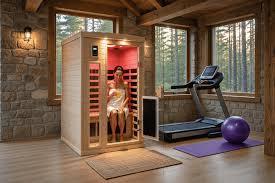
A home sauna routine should be based on the equipment instructions, available space, personal health, and a realistic approach to heat exposure. Before deciding how long should you stay in a sauna, learn how the heater or infrared system operates and check the recommended temperature and session limits. Keep drinking water nearby outside the heated cabin, make sure the exit remains accessible, and avoid leaving towels or other items close to heating elements. Start with short sessions if you are new to the equipment and adjust only when the experience remains comfortable. Allow time to cool down after each visit and do not feel pressured to use the sauna every day. Regular cleaning and equipment maintenance are also important because a comfortable routine depends on a clean and properly functioning space. Check the cabin, heater, controls, ventilation, and other components according to the manufacturer's schedule. If the equipment behaves unusually, stop using it and arrange an appropriate inspection. Understanding how long should you stay in a sauna makes it easier to create a home routine that focuses on relaxation, safety, and responsible equipment use rather than unnecessary heat exposure.
How Does Sauna Size and Design Influence Your Experience?
Sauna size and design can influence how heat is distributed and how comfortable a person feels during a session. When deciding how long should you stay in a sauna, it is useful to consider the cabin's dimensions, seating arrangement, ventilation, heater capacity, and temperature controls. A compact cabin may warm up differently from a larger room, while bench height can affect the temperature experienced at different seating positions. Door placement, airflow, and the type of heater also contribute to the overall environment. A well-designed sauna should follow the manufacturer's specifications and provide a practical arrangement for entering, sitting, and leaving. Homeowners should not modify ventilation openings, heater positions, or control settings without appropriate guidance because changes may affect the equipment's intended operation. Before purchasing a sauna, review the dimensions and ask whether the design suits the number of people expected to use it. How long should you stay in a sauna cannot be determined by cabin size alone, but the design can influence comfort and heat exposure. Selecting suitable equipment and following its operating instructions are important steps toward a pleasant and responsible home sauna experience.
How Can You Tell Whether Your Sauna Temperature Is Suitable?
A suitable sauna temperature depends on the type of equipment, the manufacturer's operating range, and the comfort of the person using it. People researching how long should you stay in a sauna should not assume that a higher temperature always creates a better experience. Check the display or thermometer and compare the reading with the product's recommended operating range. If the cabin feels excessively hot, reduce the setting where permitted or leave the sauna rather than attempting to tolerate the conditions. Humidity can also influence how heat feels, especially in a traditional sauna where water may be added to the heater stones. Infrared cabins have different heating characteristics and should be operated according to their own manuals. Temperature sensors should remain in their specified positions, and users should not interfere with safety controls. If readings appear inconsistent or the heater behaves unexpectedly, stop using the sauna and arrange a professional inspection. How long should you stay in a sauna is partly influenced by the actual temperature, but a thermometer should not replace awareness of physical symptoms. Even when the display shows a normal reading, an individual may still need to leave earlier because of personal sensitivity or health circumstances.
What Common Sauna Mistakes Can Make a Session Unsafe?
Several avoidable mistakes can make sauna use less comfortable and increase the risk of heat-related problems. One common mistake is staying inside longer than intended simply to match the duration used by another person. Anyone asking how long should you stay in a sauna should remember that individual heat tolerance is different. Another mistake is entering while dehydrated, after drinking alcohol, or immediately after strenuous exercise without allowing enough recovery time. Some users also increase temperature and duration together, making the session more intense than they expected. Ignoring dizziness, nausea, headache, or unusual weakness is particularly concerning because these symptoms are reasons to leave immediately. Using a damaged heater, blocking ventilation, or placing towels near heating elements can create additional equipment and safety risks. People should also avoid assuming that infrared saunas, steam rooms, and traditional dry saunas have identical operating instructions. Following the manufacturer's manual, maintaining equipment, and using a conservative duration can help prevent many of these problems. Understanding how long should you stay in a sauna is most useful when combined with good preparation, hydration, awareness, and a willingness to stop whenever the experience no longer feels comfortable.
How Can You Make Sauna Use Part of a Relaxing Lifestyle?
A sauna can become a pleasant part of a home relaxation routine when it is used in a balanced and thoughtful way. Some people enjoy a short session after a busy day, while others prefer using a sauna occasionally as part of a broader wellness space. When deciding how long should you stay in a sauna, focus on creating an experience that feels comfortable rather than trying to reach a particular time every visit. A calm environment, suitable lighting, clean seating, and a comfortable temperature can make the space more inviting. It is also helpful to plan enough time for preparation, the session itself, cooling down, and rehydration instead of treating the sauna as an activity that must be rushed. A sauna should complement other healthy routines rather than replace sleep, exercise, hydration, or medical care. People with relevant health concerns should seek individualized advice before starting a regular heat-exposure routine. Understanding how long should you stay in a sauna helps keep the experience realistic and manageable. A consistent, moderate approach can make sauna use more enjoyable without turning relaxation into a challenge involving endurance or unnecessary heat exposure.
What Should You Check Before Buying a Home Sauna?
Choosing the right equipment is an important step for anyone planning to enjoy sauna sessions at home. Before purchasing, consider the available space, expected number of users, heater type, power requirements, ventilation needs, construction materials, and manufacturer support. These details influence the installation process and the way the sauna should be operated. Buyers should review the product manual before making a decision because different models may have different temperature ranges, session recommendations, and safety requirements. It is also worth checking whether the cabin is intended for indoor or outdoor use and whether the installation area can meet its specifications. When comparing products, look beyond appearance and consider the quality of the heater, control system, door, seating, and available maintenance information. Ask the supplier about delivery, installation, electrical preparation, warranty conditions, and service support. How long should you stay in a sauna will depend partly on the equipment selected, so understanding its intended operation before purchase is important. A suitable sauna should fit the home, match the user's needs, and provide clear guidance for responsible use.
How Can Proper Sauna Maintenance Support Safe Use?
Regular maintenance helps keep a sauna clean, functional, and suitable for continued use. Homeowners should follow the manufacturer's cleaning schedule and use products that are compatible with the cabin's materials. Wooden benches and interior surfaces should be cleaned according to the recommended method, while heaters and electrical components should be inspected as directed by the product documentation. Ventilation openings should remain clear, and any signs of damage, unusual smells, electrical issues, or heater malfunction should be investigated before the sauna is used again. People who want to understand how long should you stay in a sauna should also recognize that session safety depends on equipment condition, not just the number of minutes spent inside. A faulty temperature control or ventilation problem may change the operating environment and make the experience less predictable. Do not attempt repairs to electrical or heating components unless you are appropriately qualified. Arrange professional service when the manual requires it or when a problem appears. Keeping the sauna clean and properly maintained supports a more reliable experience and helps users follow the intended temperature and operating instructions throughout the life of the equipment.
How Long Should You Stay in a Sauna for the Best Overall Experience?
For many healthy adults, a moderate sauna session of around 10 to 20 minutes is a useful general reference, while beginners should often start with approximately 5 to 10 minutes and increase only if they remain comfortable. However, the best duration depends on the sauna type, temperature, humidity, age, health, hydration, medications, and manufacturer recommendations. Some people need less time, and leaving earlier is always appropriate when discomfort develops. There is no reason to remain inside until the planned session ends if you begin feeling dizzy, nauseated, weak, confused, or short of breath. Take breaks, cool down gradually, drink water, and avoid alcohol before sauna use. People who are pregnant, older, taking certain medications, or living with cardiovascular or other medical conditions should seek personalized medical advice before using a sauna. How long should you stay in a sauna should never become a competition or a fixed challenge. A comfortable and responsible routine is more valuable than prolonged heat exposure. For homeowners exploring sauna options, equipment guidance, and ideas for creating a relaxing space, Chinook Hot Tubs and Saunas can be a helpful starting point for learning about sauna ownership and making informed choices.
