

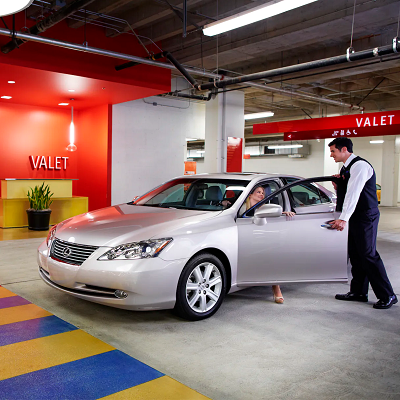
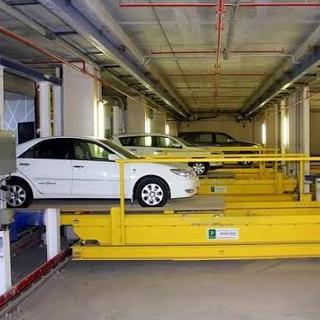
Shopping malls in Riyadh attract thousands of visitors every day, particularly during weekends, holidays, shopping seasons, and special events. As customer traffic increases, managing parking spaces efficiently becomes an important part of providing a smooth shopping experience. Long queues at entrances, difficulty finding available spaces, congestion near exits, and poor parking organization can frustrate visitors before they even enter the mall. These challenges make modern parking technology increasingly valuable for commercial properties.
Implementing Smart Parking Solutions Riyadh can help shopping malls improve parking efficiency, reduce unnecessary traffic, and create a more convenient experience for customers. By combining digital systems, real-time parking information, automated processes, and intelligent monitoring, malls can manage their parking facilities more effectively while supporting their daily operational needs.
1. Why Shopping Malls in Riyadh Need Smart Parking Solutions
Shopping malls are among the busiest commercial destinations in Riyadh. They serve families, shoppers, tourists, office employees, restaurant visitors, and people attending entertainment activities. During peak periods, the number of vehicles entering a mall can increase significantly, creating pressure on parking facilities.
Traditional parking management often depends on manual supervision, physical signs, and security staff directing drivers. Although these methods can work in smaller parking areas, they may become less effective when hundreds or thousands of vehicles arrive within a short period.
Smart parking technology addresses these challenges by introducing automated monitoring and organized parking management. It helps operators understand parking occupancy, identify available spaces, and manage vehicle movement more efficiently.
For shopping malls, these systems can provide several important benefits:
-
Reduce congestion around parking entrances and exits.
-
Help visitors locate vacant parking spaces more quickly.
-
Improve the utilization of existing parking capacity.
-
Support better parking security and monitoring.
-
Reduce the workload of parking staff.
-
Improve customer satisfaction and visitor convenience.
A well-organized parking facility also contributes to a mall's overall reputation. Customers are more likely to enjoy their visit when parking is straightforward, convenient, and predictable.
2. How Smart Parking Technology Works in Shopping Malls
Smart parking systems use connected technologies to monitor, organize, and manage parking activities. Depending on the size and requirements of a shopping mall, these systems may include sensors, cameras, digital displays, automated barriers, ticketless entry, and centralized management software.
Parking sensors or camera-based detection systems can identify whether individual spaces are occupied or available. This information is then transferred to a central platform, allowing parking operators to monitor activity across different sections of the facility.
Digital displays installed at entrances, ramps, and internal parking lanes can show the number of available spaces in different zones. Drivers can use this information to make better decisions instead of searching randomly throughout the parking area.
Some modern systems also support automatic vehicle identification, allowing vehicles to enter and exit through a streamlined process. Depending on the system configuration, vehicle registration details, parking permissions, and payment information can be managed digitally.
The main technologies commonly used include:
-
Parking occupancy sensors: Detect whether parking spaces are occupied.
-
Smart cameras: Monitor vehicles, entrances, exits, and parking activity.
-
Digital guidance displays: Direct drivers toward available parking zones.
-
Automated access barriers: Control entry and exit based on authorization.
-
Parking management software: Collect information and provide operational insights.
-
Mobile applications: Allow drivers to access parking information and other convenient features.
When these technologies work together, mall management gains greater visibility into parking operations, while visitors experience a more organized and efficient process.
3. Reducing Traffic Congestion During Peak Shopping Hours
Traffic congestion is one of the most common parking challenges faced by shopping malls. During evenings, weekends, public holidays, and major shopping events, vehicles may queue outside parking entrances or move slowly through internal parking lanes.
Smart parking solutions help reduce congestion by improving the flow of information and vehicles throughout the facility.
Real-time occupancy monitoring allows parking operators to identify which sections are full and which still have available spaces. Entrance displays can communicate this information to drivers before they enter a particular parking zone. As a result, vehicles can be directed toward less crowded areas.
Parking guidance systems also reduce unnecessary circulation. When drivers know where available spaces are located, they spend less time moving between parking aisles. This can help reduce vehicle movement, improve traffic flow, and minimize bottlenecks.
Automated entry and exit systems can further support smoother traffic movement. Digital access processes may reduce delays caused by manual ticket handling or repetitive verification procedures.
For large shopping malls with multiple parking levels, organized guidance is particularly useful. Clear directions can help visitors move toward the correct floor or section without repeatedly driving through crowded areas.
By managing traffic more intelligently, malls can make parking easier for visitors while reducing pressure on internal roads and surrounding streets.
4. Improving Customer Experience and Visitor Convenience
Parking is often the first and last interaction customers have with a shopping mall. A difficult parking experience can influence how visitors feel about the entire trip, even if the mall offers excellent stores, restaurants, and entertainment.
Smart parking systems help create a positive impression by making the process simpler and more convenient.
Drivers can receive clear information about available parking areas, follow digital guidance, and spend less time searching for spaces. In facilities with mobile-enabled features, visitors may also benefit from digital parking information, location assistance, payment options, or vehicle-finding support.
These features are particularly helpful for families with children, elderly visitors, people attending appointments, and customers carrying shopping bags. A more organized parking facility reduces unnecessary walking and makes the visit more comfortable.
Smart parking can also improve the experience for visitors who are unfamiliar with the mall. Clear signage, organized parking zones, and digital guidance make it easier to navigate large facilities.
Shopping malls can further improve convenience by integrating smart parking with customer services such as:
-
Reserved spaces for authorized visitors.
-
Dedicated parking areas for accessible parking.
-
Clear guidance toward family parking zones.
-
Digital payment and ticketless parking options.
-
Vehicle location assistance.
-
Better coordination between parking operations and customer support.
When parking becomes easier, visitors can focus more on shopping, dining, and entertainment instead of dealing with unnecessary parking difficulties.
5. Strengthening Parking Security and Operational Management
Security is another important consideration for shopping malls in Riyadh. Large parking facilities contain numerous vehicles, multiple entry points, pedestrian pathways, and different parking zones. Monitoring these areas manually can be challenging, particularly during busy periods.
Smart parking technology can support improved security through cameras, digital access controls, automated monitoring, and centralized operational systems.
Vehicle identification technology can help track authorized entries and exits, depending on the system's configuration. Surveillance cameras can support monitoring of parking areas and provide recorded information when incidents need to be reviewed.
Parking operators can also use centralized software to monitor activity across different zones. This makes it easier to identify operational issues, unusual traffic patterns, or areas requiring additional staff attention.
Smart systems can help improve the management of parking violations, unauthorized access, and misuse of designated spaces. Digital records can also support more organized reporting and operational accountability.
In addition to security, smart parking improves staff efficiency. Employees can spend less time manually directing vehicles and more time assisting visitors, monitoring busy locations, and responding to specific operational needs.
For shopping malls with large parking facilities, this improved visibility can make daily management more consistent and reliable.
6. Choosing the Right Smart Parking Solution for a Shopping Mall
Every shopping mall has different parking requirements. A small retail center may need basic occupancy monitoring and digital guidance, while a large shopping destination may require advanced vehicle identification, multiple parking zones, integrated payment systems, and centralized monitoring.
Selecting the right solution begins with understanding the facility's existing challenges.
Mall management should evaluate the number of parking spaces, traffic patterns, peak visitor periods, entry and exit locations, current parking procedures, and the availability of infrastructure for installing new technology.
The following factors can help determine whether a smart parking system is suitable:
Scalability: The system should be capable of supporting future expansion, additional parking floors, or new facilities.
Real-time accuracy: Parking information should be reliable and updated quickly so visitors are not directed toward occupied spaces.
Ease of use: Digital displays, mobile features, and access systems should be simple enough for visitors to use without assistance.
Integration capabilities: The solution should work with existing security systems, barriers, payment platforms, and parking management processes wherever possible.
Operational support: Maintenance, technical assistance, system monitoring, and staff training are important for long-term performance.
Data and reporting: Parking analytics should help management understand occupancy patterns, peak demand, traffic flow, and operational performance.
A carefully selected system can help shopping malls improve their parking operations without making the process unnecessarily complicated for staff or visitors.
Conclusion
Smart parking solutions are becoming an important part of modern shopping mall management in Riyadh. As commercial destinations attract more visitors and parking demand continues to grow, traditional parking methods may struggle to provide the speed, convenience, and organization customers expect.
Intelligent parking technology helps malls monitor occupancy, guide drivers toward available spaces, reduce congestion, strengthen security, and improve operational efficiency. It also creates a more convenient experience for customers by reducing the time and effort required to park their vehicles.
For shopping malls looking to improve daily operations and customer satisfaction, investing in a well-planned smart parking system can support long-term efficiency, better space utilization, and a more organized commercial environment.
Frequently Asked Questions
1. What are smart parking solutions for shopping malls?
Smart parking solutions are technology-based systems that help shopping malls monitor parking availability, guide drivers, manage vehicle access, and improve parking operations. They commonly use sensors, cameras, digital displays, and parking management software.
2. How can smart parking reduce congestion in Riyadh shopping malls?
Smart parking systems provide real-time information about available spaces and guide vehicles toward less crowded parking areas. This reduces unnecessary driving, improves traffic flow, and can help minimize queues at entrances and exits.
3. Can smart parking improve the customer experience?
Yes. Smart parking makes it easier for visitors to locate available spaces, navigate parking facilities, and complete entry or exit procedures. This can reduce frustration and make shopping trips more convenient.
4. Does smart parking improve vehicle security?
Smart parking systems can support better security through surveillance cameras, access controls, vehicle identification, and centralized monitoring. These features help parking operators oversee vehicle movement and respond more efficiently to incidents.
5. Is smart parking suitable for large shopping malls?
Yes. Smart parking is particularly useful for large malls with multiple floors, parking zones, entrances, and high visitor volumes. It helps management monitor parking activity and organize vehicle movement more efficiently.
6. What should a shopping mall consider before installing a smart parking system?
A shopping mall should evaluate parking capacity, traffic patterns, visitor demand, technology requirements, system integration, accuracy, scalability, maintenance, and operational support before selecting a solution. The system should address the facility's actual parking challenges and provide reliable long-term performance.
