

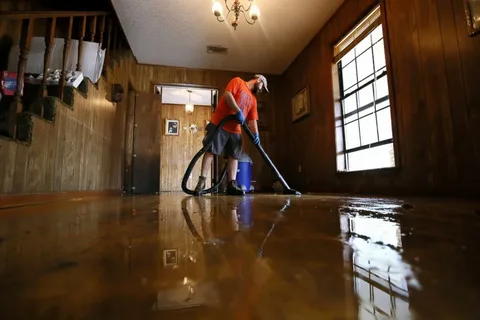
How Professional Environmental Abatement Helps Create Safer and Cleaner Indoor Spaces in Shippensburg, PA?

Indoor spaces should feel clean, comfortable, and safe. However, moisture problems, mold growth, and damaged building materials can affect the condition of a property without always being immediately visible. A musty smell, discoloration on a wall, or recurring dampness may indicate an issue that needs more attention than ordinary cleaning can provide.
Professional abatement work helps property owners address these concerns through careful assessment, appropriate removal practices, and attention to affected areas. For homeowners and businesses looking into Environmental abatement Shippensburg PA, understanding the process can make it easier to recognize potential problems and choose the right professional support. From identifying moisture-related damage to arranging safe material removal, the right approach can help create cleaner, better-maintained indoor spaces.
Understanding Environmental Abatement and Why It Matters
Environmental abatement involves identifying and addressing materials or conditions inside a building that may affect its indoor environment. The exact work depends on the property's condition, the materials involved, and the nature of the concern.
For example, a building with recurring moisture may develop mold growth on drywall, insulation, or other surfaces. Simply wiping away visible discoloration might not address the underlying issue, especially if moisture remains trapped behind a wall or beneath flooring.
Professional attention can help property owners understand what needs to be addressed and how to approach the work safely.
Common signs that a property may need further evaluation include:
-
Persistent musty or unpleasant odors.
-
Visible mold-like growth on walls, ceilings, or other surfaces.
-
Water stains or discoloration on building materials.
-
Peeling paint, bubbling surfaces, or damaged drywall.
-
Previous leaks or flooding followed by lingering moisture.
-
Recurring dampness in basements, bathrooms, or poorly ventilated areas.
These signs don't automatically confirm a specific environmental problem, but they shouldn't be ignored. Identifying the source early can help prevent affected materials from deteriorating further.
How Mold Demolition and Removal Help Address Indoor Problems?
Mold can develop when moisture and suitable organic materials are present. Drywall, wood, ceiling materials, and some flooring components can provide conditions that support growth when they remain damp.
Cleaning the visible surface may not be enough if contamination has affected porous materials or spread into concealed areas. In some situations, removing damaged building materials is necessary as part of a broader remediation plan.
Identifying the Affected Materials
The first step is understanding where the problem exists. A professional assessment may involve examining visible damage, checking areas around previous leaks, and considering how moisture could have moved through the structure.
For instance, a leaking pipe inside a wall may leave the surrounding drywall damp. Even after the pipe is repaired, the affected materials may need additional attention before the area can be restored.
Removing Damaged Materials Carefully
When removal is necessary, the work should be planned according to the type and extent of the damage. This may involve removing affected sections of drywall, insulation, or other building components.
Careful handling matters because disturbing contaminated materials without suitable precautions can spread dust and particles into nearby areas.
Professional mold demolition and removal should focus on:
-
Identifying the materials that require removal.
-
Protecting nearby areas from unnecessary disturbance.
-
Using suitable protective equipment and work practices.
-
Handling and disposing of removed materials appropriately.
-
Addressing the moisture source before rebuilding.
The objective isn't simply to remove what looks damaged. It's to deal with the affected area in a controlled manner and help prepare the space for appropriate repairs.
The Role of Moisture Control in Maintaining Cleaner Indoor Spaces
Removing damaged materials is only part of addressing a moisture-related problem. If the source of water remains unresolved, similar issues may return.
A roof leak, plumbing problem, poor ventilation, or drainage concern can introduce moisture into a building. Unless the cause is corrected, repaired areas may become affected again.
Find the Source Before Restoring the Area
Before closing walls or replacing flooring, property owners should make sure the moisture issue has been addressed. Depending on the situation, this may require help from a plumber, roofing professional, drainage specialist, or another qualified contractor.
Consider a basement where water repeatedly enters after heavy rain. Removing damaged materials without addressing water entry may provide only temporary improvement. The property may also need better drainage, leak repairs, or other moisture-control measures.
Allow Materials to Dry Properly
Wet building materials shouldn't be covered or enclosed before they are ready. Proper drying helps reduce the chance of moisture becoming trapped behind new finishes.
Useful steps may include:
-
Repairing the leak or source of water intrusion.
-
Removing materials that cannot be adequately restored.
-
Drying the affected area using suitable methods.
-
Checking that remaining materials are ready for repair.
-
Completing necessary reconstruction after the area has been properly addressed.
Ventilation and humidity management can also help maintain indoor conditions. Bathrooms, kitchens, laundry rooms, and basements deserve particular attention because moisture can accumulate in these spaces.
What Property Owners Should Expect From Professional Cleanup?
Environmental concerns can vary significantly from one property to another. A small affected area may require a different approach from extensive damage involving multiple rooms.
Working with a qualified service provider helps property owners understand the condition of the space and the work that may be required. Clear communication is especially valuable when removal, cleanup, and later reconstruction involve different stages.
Ask About the Scope of Work
Before hiring a contractor, ask what the proposed service includes. A written explanation can help prevent confusion about which materials will be removed, what areas will be addressed, and whether additional repairs are necessary.
Useful questions include:
-
Which areas or materials appear to be affected?
-
What removal or cleanup work is recommended?
-
How will nearby rooms and belongings be protected?
-
Will the moisture source need separate repairs?
-
What happens after the affected materials are removed?
-
Are disposal and cleanup included in the estimate?
These questions help homeowners understand the process instead of relying on a general promise that the area will be cleaned.
Understand the Limits of General Cleaning
Ordinary household cleaning is suitable for routine dirt and everyday messes, but it isn't a replacement for professional assessment when building materials may be affected.
Likewise, painting over stains or covering damaged drywall doesn't resolve the source of moisture. If the underlying problem remains, the visible improvement may not last.
Property owners seeking Indoor environmental cleanup services in Shippensburg, PA should look for a provider that explains the condition of the affected area, outlines the recommended work, and communicates when other specialists may be needed.
Choosing the Right Service Provider in Shippensburg
Selecting a contractor is an important decision, particularly when work involves damaged building materials or potential indoor environmental concerns. The lowest estimate doesn't always explain what work will actually be completed.
Take time to review the provider's experience with the type of problem affecting your property. Ask how the work will be organized, what precautions will be used, and whether the proposed service addresses the specific conditions you've noticed.
A few practical considerations can help guide your decision:
-
Relevant experience: Look for experience with environmental abatement and mold-related removal when those services match your needs.
-
Clear estimates: Request a written breakdown of the proposed work and any exclusions.
-
Worksite protection: Ask how the contractor plans to limit disturbance to unaffected areas.
-
Communication: Choose a provider that explains the process in straightforward language.
-
Next steps: Confirm whether drying, repairs, testing, or reconstruction will require additional professionals.
Wilbur Hull Nano Cleaning Solutions, located at 308 S Fayette St, Shippensburg, PA 17257, provides environmental abatement and mold demolition and removal services. Property owners can discuss their concerns with the company and ask what approach may be suitable for the affected areas.
It's also worth remembering that some environmental concerns require specialized testing or services beyond material removal. A responsible contractor should be clear about the work they provide and when another qualified professional may be needed.
Create a Healthier Property Through Timely Attention
Indoor maintenance is easier when property owners pay attention to small warning signs. A minor leak, damp patch, or persistent odor may seem manageable at first, but ignoring the underlying cause can allow damage to spread.
Regularly inspect areas where moisture commonly develops, including basements, bathrooms, kitchens, utility rooms, and spaces around plumbing fixtures. Check for roof leaks after severe weather and make sure ventilation systems are working as intended.
If you discover water damage, take practical steps to stop the source and arrange an appropriate assessment. Avoid disturbing materials that may be contaminated, particularly when the affected area is extensive or hidden behind walls and ceilings.
Timely attention can help limit further material damage, reduce unnecessary repair work, and support better indoor maintenance over time.
Conclusion
A clean indoor environment starts with addressing problems at their source. Moisture, mold growth, and damaged building materials can affect a property's condition, so visible signs should receive proper attention rather than being covered up or ignored. Careful assessment, appropriate removal practices, moisture control, and suitable repairs all contribute to a more complete solution.
For homeowners and businesses considering Environmental abatement Shippensburg PA, the practical next step is to discuss the property's specific concerns with an experienced service provider. Wilbur Hull Nano Cleaning Solutions can help property owners understand its environmental abatement and mold removal services. Contact the company to discuss your situation and determine what work may be appropriate for your indoor space.
