

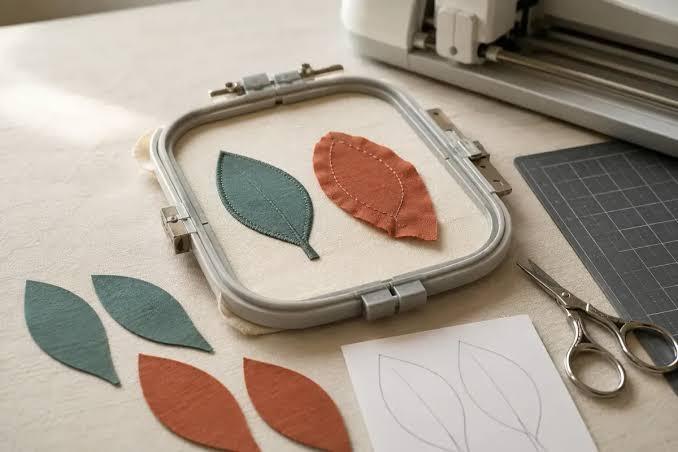
Applique Digitizing: A Complete Guide to Creating Beautiful and Professional Embroidery Designs

Applique embroidery is a popular technique for creating attractive, detailed, and textured designs on different types of fabric. It combines fabric pieces with decorative embroidery stitches to produce unique patterns, lettering, logos, and custom artwork. However, achieving clean and professional results requires accurate stitch planning and proper design preparation. This is where applique digitizing plays an important role.
Applique digitizing converts artwork, logos, and lettering into machine-readable embroidery files that guide an embroidery machine through each stage of the applique process. From fabric placement to cutting and final stitching, every step must be carefully planned to achieve a neat and durable finish.
Whether you are producing custom clothing, promotional products, sportswear, uniforms, or decorative embroidery, professional applique digitizing helps improve design quality and production efficiency.
What Is Applique Digitizing?
Applique digitizing is the process of converting a digital image or design into an embroidery file specifically prepared for applique stitching. Instead of filling an entire design area with dense embroidery stitches, this technique uses separate fabric pieces to cover larger sections of the design.
The embroidery machine creates placement stitches to show where the fabric should be positioned. The fabric is then placed over the designated area and trimmed to the required shape. Finally, the machine adds finishing stitches around the fabric edges to secure the material and create a clean embroidered appearance.
This technique is particularly useful for designs that contain large shapes, letters, numbers, and logos. It also helps reduce excessive stitching while creating visually appealing embroidery.
How Does the Applique Digitizing Process Work?
Creating a professional applique design involves several carefully planned stages. Each stage contributes to the final appearance, accuracy, and durability of the embroidery.
1. Artwork Preparation
The first step is preparing the original artwork. The design is reviewed to identify suitable applique sections, fabric requirements, shapes, and stitch details. Complex elements may need adjustments to ensure they can be reproduced accurately by an embroidery machine.
2. Placement Stitching
Placement stitches indicate exactly where the applique fabric should be positioned. These stitches create an outline that helps operators align the fabric correctly with the design.
3. Fabric Placement
After the placement stitches are completed, the selected fabric is placed over the outlined area. Proper positioning is essential to prevent gaps, uneven edges, and alignment problems.
4. Tack-Down Stitching
Tack-down stitches secure the applique fabric to the base material. They help prevent fabric movement during embroidery and keep the design properly positioned.
5. Fabric Trimming
The excess applique fabric is carefully trimmed around the stitched area. Accurate trimming helps create smooth edges and prepares the design for its final border.
6. Finishing Stitches
The final stage involves adding satin stitches, decorative borders, or other finishing stitches around the applique fabric. These stitches cover the raw edges, secure the material, and give the embroidery a polished appearance.
Benefits of Professional Applique Digitizing
Applique embroidery offers several advantages for businesses, embroidery professionals, clothing manufacturers, and custom apparel designers.
Reduced Stitch Count
One of the main benefits of applique embroidery is its ability to reduce stitch counts in designs with large filled areas. Instead of covering an entire section with thread, fabric is used to create the main design area. This can help reduce machine running time and thread consumption.
Attractive Design Appearance
Using different fabrics, colours, and textures adds visual interest to embroidery. Applique designs can create a distinctive appearance that is difficult to achieve with standard embroidery alone.
Suitable for Large Designs
Large lettering, numbers, shapes, and logos can require extensive stitching when produced using traditional embroidery techniques. Applique digitizing offers a practical alternative for these design elements.
Improved Production Efficiency
Well-prepared digitizing files provide clear instructions for fabric placement, cutting, and finishing. This helps embroidery operators follow a consistent production process and reduce unnecessary adjustments.
Greater Creative Flexibility
Applique embroidery allows designers to experiment with different fabric materials, patterns, textures, and colour combinations. This makes it suitable for both simple and complex creative projects.
Common Applications of Applique Embroidery
Applique digitizing is widely used across different industries because it works well for both decorative and commercial embroidery applications.
Custom Clothing: Applique techniques are commonly used on T-shirts, sweatshirts, jackets, hoodies, and other garments. They create bold designs and attractive lettering.
Sportswear and Team Uniforms: Sports teams often use applique embroidery for player numbers, team names, logos, and decorative elements. It offers an effective way to create larger designs while controlling stitch density.
Caps and Hats: Applique designs can add distinctive patterns, letters, and logos to selected cap styles. Proper digitizing is essential because curved surfaces and limited embroidery areas require careful planning.
School and Corporate Uniforms: Businesses, schools, and organisations use applique embroidery for branded clothing, uniforms, and custom identification designs.
Bags and Accessories: Backpacks, tote bags, fabric accessories, and other promotional products can feature applique designs for a unique embroidered finish.
Home Décor: Decorative cushions, blankets, quilts, and other fabric products can benefit from applique embroidery, especially when designs require multiple colours or large fabric sections.
Important Factors in High-Quality Applique Digitizing
Professional applique digitizing requires more than simply converting an image into an embroidery file. Several technical factors must be considered to ensure that the design runs smoothly on an embroidery machine.
Fabric Selection
The applique material should be suitable for the base fabric and the intended design. Different materials behave differently during embroidery, so fabric thickness, flexibility, and stability must be considered.
Accurate Stitch Placement
Placement and tack-down stitches must follow the intended design shape. Incorrect positioning can cause fabric misalignment, uneven borders, and visible gaps.
Proper Stitch Density
Stitch density should be balanced according to the fabric, design dimensions, and finishing requirements. Excessive density can make embroidery stiff, while insufficient coverage may affect edge quality.
Underlay and Stabilisation
Appropriate underlay and stabiliser choices help support the fabric during embroidery. They reduce shifting, improve registration, and contribute to a more consistent result.
Border and Edge Quality
The finishing border is one of the most noticeable elements of applique embroidery. Satin stitches and other suitable border techniques should be planned to cover fabric edges properly without creating unnecessary bulk.
Machine Compatibility
The final embroidery file must be saved in a format supported by the intended embroidery machine. Proper sequencing and machine settings also help achieve reliable production results.
Applique Digitizing vs. Traditional Embroidery Digitizing
Although both techniques convert artwork into machine-readable embroidery files, they use different approaches to create the finished design.
Traditional embroidery digitizing generally uses stitches to fill the design areas with thread. This can work well for smaller details, lettering, and designs that require continuous thread coverage.
Applique digitizing uses fabric pieces to cover selected areas, with embroidery stitches securing and finishing the material. It is particularly useful for larger shapes, bold lettering, and designs where fabric texture is an important part of the final appearance.
The right technique depends on the artwork, fabric type, desired finish, and production requirements. In some projects, combining applique sections with traditional embroidery stitches can produce an even more detailed result.
Common Applique Digitizing Mistakes to Avoid
Poorly prepared embroidery files can lead to production problems, wasted materials, and inconsistent results. Some common mistakes include:
-
Incorrect placement outlines: Poorly aligned placement stitches can make fabric positioning difficult.
-
Excessive stitch density: Too many stitches can create unnecessary bulk and affect fabric flexibility.
-
Improper fabric trimming: Uneven trimming may leave rough edges or unwanted fabric outside the design.
-
Incorrect stitch sequencing: A poorly organised stitch sequence can interrupt the applique process.
-
Inadequate stabilisation: Without suitable stabilisation, fabric can shift or distort during embroidery.
-
Unsuitable border settings: Incorrect border width or stitch settings can expose raw fabric edges.
Working with experienced digitizers helps minimise these issues and improves the overall quality of the finished embroidery.
Why Choose Professional Applique Digitizing Services?
Professional applique digitizing services help transform artwork into embroidery files that are properly structured for machine production. Experienced digitizers understand how different fabrics, stitch types, design dimensions, and embroidery machines affect the final outcome.
A professionally digitized file is designed with accurate placement outlines, appropriate tack-down stitches, suitable finishing borders, and an organised stitch sequence. These details help embroidery businesses achieve cleaner results and maintain consistency across multiple production runs.
Professional digitizing is particularly valuable for custom logos, large lettering, promotional apparel, sports uniforms, and detailed applique designs where accuracy matters.
Final Thoughts
Applique digitizing is an effective embroidery technique that combines fabric and thread to create attractive, durable, and professional designs. It offers several advantages, including reduced stitch counts, creative flexibility, improved production efficiency, and distinctive visual results.
However, achieving high-quality applique embroidery requires accurate artwork preparation, proper stitch sequencing, suitable fabric selection, and carefully designed finishing borders. Professional digitizing ensures that every stage of the process is planned according to the design and production requirements.
For embroidery businesses and apparel manufacturers looking to produce clean, consistent, and visually appealing applique designs, investing in professional applique digitizing is an important step towards better embroidery results.
