

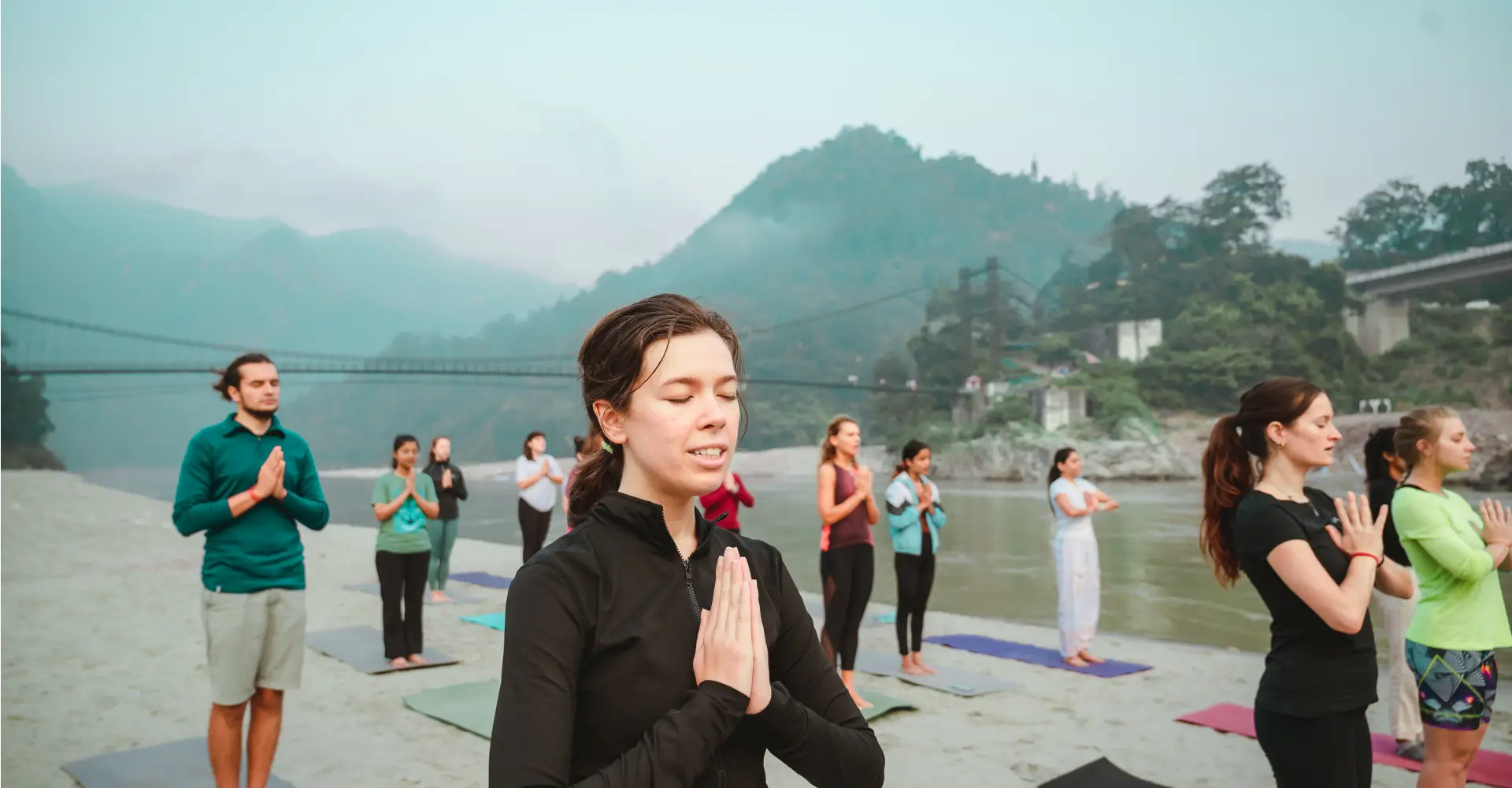
Is a 300 Hour Yoga Teacher Training in Rishikesh the Right Next Step After RYT 200?

Completing your 200-hour yoga teacher training is an important milestone, but it doesn't necessarily mark the end of your learning journey. If you feel ready to deepen your practice, refine your teaching abilities, and explore yoga beyond the fundamentals, enrolling in a 300 hour yoga teacher training in rishikesh could be your next meaningful step. Nestled in the foothills of the Himalayas, Rishikesh offers an inspiring environment where traditional yogic knowledge, disciplined practice, and spiritual exploration come together.
But is advanced training the right choice for everyone after RYT 200? Let's explore what this next stage involves, who can benefit, and what you should consider before making your decision.
1. Moving Beyond the Foundations of RYT 200
A 200-hour yoga teacher training provides the foundation for understanding yoga philosophy, asana practice, pranayama, meditation, anatomy, and teaching methodology. It introduces you to the principles of becoming a yoga instructor and helps establish confidence in guiding others.
However, teaching yoga is a continuous learning process.
After gaining practical teaching experience, many instructors discover areas they want to explore further. Perhaps you want to understand advanced postures, improve alignment techniques, develop a deeper understanding of anatomy, or become more confident managing different student abilities.
This is where advanced training becomes valuable.
A 300-hour course builds upon the knowledge gained during your initial certification. Rather than simply repeating familiar concepts, it encourages deeper exploration, greater self-awareness, and more thoughtful teaching.
2. What Makes Rishikesh an Ideal Destination for Advanced Yoga Training?
Rishikesh is internationally recognised for its connection with yoga, meditation, and India's spiritual traditions. Located beside the sacred River Ganga and surrounded by Himalayan landscapes, the city provides an environment that naturally encourages reflection and focused learning.
For practitioners considering a 300 hour yttc rishikesh, the location offers more than an attractive setting.
Its established yoga community provides opportunities to experience traditional teachings, explore different approaches to practice, and develop a stronger connection with yogic philosophy.
The atmosphere also encourages students to step away from everyday distractions. With greater attention devoted to personal discipline, meditation, and consistent practice, students can approach their training with a renewed sense of purpose.
Choosing Rishikesh is particularly meaningful for practitioners who want their professional development to remain connected to yoga's traditional roots.
3. What Can You Expect From Advanced Yoga Teacher Training?
An advanced yoga teacher training rishikesh programme should encourage students to move beyond performing postures correctly and understand the principles behind effective teaching.
Depending on the school's curriculum, advanced studies may explore:
-
Advanced Asana Practice: Developing strength, flexibility, stability, and a deeper understanding of challenging postures.
-
Yoga Philosophy: Exploring classical yogic teachings and their relevance to contemporary lifestyles.
-
Pranayama and Meditation: Understanding breathing techniques and developing a more consistent meditation practice.
-
Advanced Anatomy: Studying movement, muscular engagement, alignment, and individual physical differences.
-
Teaching Methodology: Improving sequencing, verbal instruction, observation, and the ability to guide diverse students.
-
Personal Development: Cultivating discipline, patience, awareness, and a more thoughtful approach to teaching.
The objective is not simply to perform more difficult asanas. It is to become a more knowledgeable, observant, and responsible yoga teacher.
Before enrolling, review the actual curriculum and confirm that it addresses your learning goals.
4. Are You Eligible for a 300-Hour Yoga Teacher Training?
Generally, a recognised 200-hour yoga teacher training certification is the prerequisite for progressing to a 300-hour programme.
For teachers following the Yoga Alliance registration pathway, completing eligible 200-hour and 300-hour training programmes can support an application for the RYT 500 credential, subject to the applicable registration requirements.
A 300-hour ryt rishikesh course is therefore worth considering if you want to develop your teaching qualifications and pursue more advanced professional opportunities.
However, certification alone should not determine your readiness.
Ask yourself:
-
Have I developed a consistent personal yoga practice?
-
Do I have a reasonable understanding of foundational yoga principles?
-
Am I comfortable teaching basic yoga classes?
-
Do I genuinely want to explore advanced concepts?
-
Can I commit to an intensive learning environment?
If you answered yes to most of these questions, advanced training may be a suitable next step.
5. Why Choose a 300-Hour Yoga TTC in India?
India offers an opportunity to study yoga in the cultural and philosophical environment from which its traditional teachings emerged.
A 300-hour yoga ttc india programme can introduce international students to a more immersive learning experience, combining structured instruction with personal practice and philosophical exploration.
However, choosing the right school matters more than choosing a destination alone.
Before making a commitment, investigate the following:
Experienced Teachers: Understand the instructors' qualifications, teaching backgrounds, and experience with advanced-level students.
Detailed Curriculum: Check whether the syllabus offers meaningful progression beyond the 200-hour foundation.
Teaching Practice: Look for opportunities to practise teaching, receive feedback, and improve instructional skills.
Learning Environment: Consider accommodation, class structure, student support, and the overall training atmosphere.
Certification Recognition: Verify the school's registration status and the exact certification pathway offered.
These checks help ensure that your investment supports genuine professional and personal development.
6. When Should You Consider Waiting Before Enrolling?
Advanced training is not a race. Completing RYT 200 does not mean you must immediately pursue another certification.
If you have limited teaching experience, struggle with foundational alignment, or feel uncertain about your personal practice, spending additional time developing these areas may be beneficial.
Teaching real students reveals challenges that classroom learning alone cannot fully prepare you for. You learn to adapt instructions, recognise individual limitations, and respond to different learning styles.
Sometimes, six months or a year of consistent practice and teaching can make your advanced training considerably more rewarding.
The right time is when curiosity, commitment, and readiness come together.
Is Your Next Chapter in Yoga Waiting in Rishikesh?
A 300-hour training programme can transform the way you practise, understand, and teach yoga when approached with the right intentions. It is an opportunity to strengthen your foundation, expand your knowledge, and develop a more meaningful relationship with the discipline.
At Rishikesh Yog Nirvana, explore the 300 hour yoga teacher training in rishikesh programme to discover whether its curriculum and learning approach align with your aspirations.
Rishikesh Yog Nirvana – Deepen Your Practice, Elevate Your Teaching, and Embrace the Journey of Yoga.
Frequently Asked Questions
1. Can I join a 300-hour yoga teacher training immediately after RYT 200?
Yes. A recognised 200-hour yoga teacher training certification is generally the prerequisite. However, having some practical teaching experience can help you understand and apply advanced concepts more effectively.
2. What is the difference between 200-hour and 300-hour yoga teacher training?
A 200-hour course introduces foundational yoga knowledge and teaching skills. A 300-hour programme builds on that foundation through more advanced studies of asana, anatomy, philosophy, pranayama, meditation, and teaching methodology.
3. Does completing 300-hour YTT make me an RYT 500?
Completing eligible 200-hour and 300-hour programmes can qualify you to apply for Yoga Alliance's RYT 500 registration, provided you meet its applicable training and registration requirements. Registration is not automatically granted simply by completing a course.
4. How do I choose the best 300 hour YTTC in Rishikesh?
Compare curriculum depth, teacher qualifications, practical teaching opportunities, school credentials, accommodation arrangements, student reviews, and overall learning support. Choose a programme that matches your professional goals rather than relying solely on promotional claims.
5. Is a 300-hour yoga TTC in India suitable for international students?
Yes. Many yoga schools in India welcome international practitioners. Before enrolling, confirm the course language, entry requirements, accommodation arrangements, travel considerations, and certification recognition.
6. What career opportunities can follow advanced yoga teacher training?
Advanced training can strengthen your preparation for teaching more specialised classes, developing workshops, mentoring beginner practitioners, and pursuing further yoga education. Actual opportunities depend on your experience, skills, qualifications, and local professional requirements.
