


How Telemedicine Is Transforming Healthcare Access in Vietnam
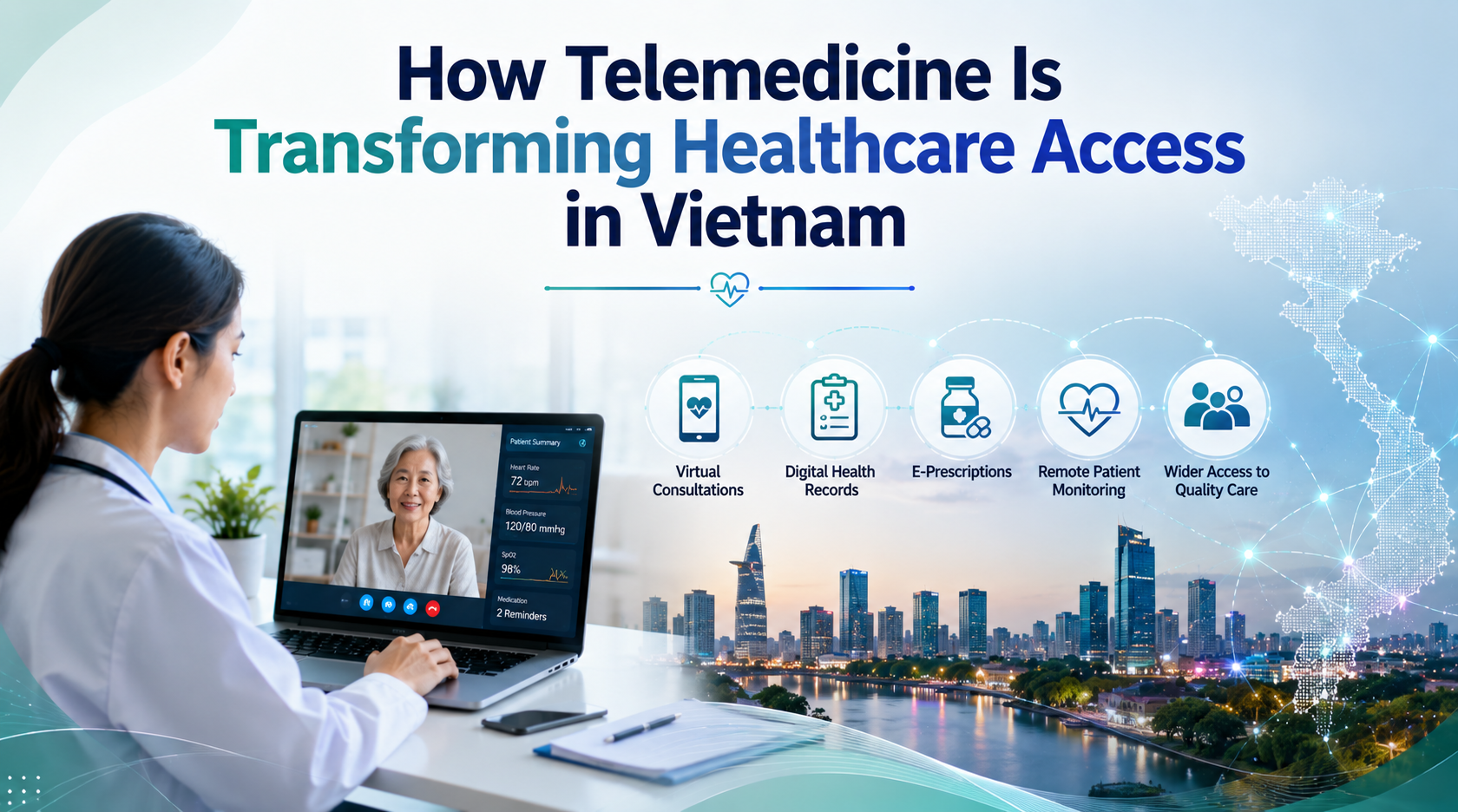
The Vietnam telemedicine industry is gaining momentum as digital technologies reshape the way healthcare services are delivered across the country. Telemedicine enables patients to consult healthcare professionals remotely through digital platforms, reducing travel time and improving access to medical expertise. As internet connectivity and smartphone usage continue to expand, remote healthcare solutions are becoming more practical for both urban and rural communities.
Demand for virtual healthcare services is also increasing as hospitals and clinics seek efficient ways to manage rising patient volumes. Digital consultations, remote monitoring, and electronic medical records are helping providers streamline operations while improving patient convenience. The growing adoption of telemedicine reflects a broader shift toward technology-enabled healthcare delivery and long-term investment in digital health infrastructure.
Growing Healthcare Needs Are Driving Telemedicine Adoption
The increasing prevalence of chronic conditions such as cardiovascular diseases, diabetes, and dementia is creating greater demand for continuous and accessible healthcare services. Telemedicine platforms allow patients to maintain regular contact with physicians without frequent hospital visits, making long-term disease management more efficient and cost-effective.
According to a study published by MarkNtel Advisors, the Vietnam telemedicine market was valued at around USD 360 million in 2024 and is projected to reach USD 660 million by 2030, expanding at a CAGR of approximately 10.52% during 2025–2030. The study highlights the growing burden of chronic diseases, expanding 5G connectivity, and increasing digital healthcare investments as key factors supporting industry development.
Government Initiatives and Digital Infrastructure Support Growth
Vietnam’s government has actively promoted digital transformation across the healthcare sector, encouraging the adoption of connected health services and modern information technologies. National strategies focused on digital health are helping hospitals and healthcare providers integrate teleconsultation services, electronic records, and cloud-based medical systems into their daily operations.
The expansion of high-speed internet infrastructure, including wider 5G deployment, is further strengthening the telemedicine ecosystem. Reliable connectivity allows physicians to deliver consultations, review diagnostic data, and monitor patients remotely with improved efficiency. As digital infrastructure becomes more accessible, telemedicine services are expected to reach a broader segment of the population.
Artificial Intelligence and Cloud Technologies Enhance Virtual Care
The integration of artificial intelligence (AI), machine learning, and cloud computing is adding new capabilities to telemedicine platforms. AI-powered systems can assist healthcare professionals by organizing patient data, supporting preliminary assessments, and improving workflow management. Cloud-based technologies, meanwhile, enable secure storage and rapid sharing of medical information across healthcare networks.
Global health organizations continue to emphasize the importance of digital health technologies in improving healthcare accessibility and system resilience. The World Health Organization’s Digital Health and Innovation initiative highlights how digital tools can strengthen healthcare delivery and support universal health coverage, particularly in regions seeking to improve medical access.
Telemedicine Improves Healthcare Access Beyond Major Cities
One of the most significant advantages of telemedicine is its ability to connect patients in remote or underserved areas with specialists located in larger urban centers. Many rural communities face challenges related to limited healthcare infrastructure and shortages of specialized medical professionals. Virtual consultation platforms help bridge this gap by enabling patients to receive timely medical advice without extensive travel.
Telemedicine also benefits hospitals and clinics by optimizing resource allocation and reducing overcrowding. Routine follow-up appointments, preventive consultations, and patient education sessions can often be managed remotely, allowing healthcare facilities to focus in-person resources on critical and emergency cases. This balanced approach contributes to improved healthcare efficiency and patient satisfaction.
Competitive Landscape and Emerging Opportunities
The competitive landscape of Vietnam’s telemedicine sector includes a growing number of digital healthcare providers and technology innovators. Companies such as Jio Health Vietnam, Docosan, Doctor Anywhere Vietnam, Viettel Telehealth, Hello Bacsi, Med247, Vinmec Telehealth, eDoctor, Hoan My Telehealth, and AiHealth are contributing to the expansion of virtual healthcare services through diverse digital platforms and patient-centric solutions.
Partnerships between healthcare providers, technology companies, and telecommunications operators are creating additional opportunities for innovation. The combination of mobile applications, wearable health devices, and integrated digital platforms is likely to support more personalized and data-driven patient care while encouraging broader adoption of remote healthcare services.
The Future of Telemedicine in Vietnam
The future of telemedicine in Vietnam is closely tied to the continued evolution of digital infrastructure, healthcare modernization, and patient acceptance of virtual care models. As smartphone penetration rises and advanced technologies become more widely available, remote healthcare services are expected to play a larger role in the country’s healthcare ecosystem.
Research from the Organisation for Economic Co-operation and Development (OECD) digital health program also underscores the growing importance of digital tools in building more resilient and accessible healthcare systems. With sustained investments, supportive policy initiatives, and ongoing technological innovation, telemedicine is positioned to become an increasingly important component of Vietnam’s healthcare landscape.

 Bangla