


Hair Transplant in Islamabad: Complete Beginner’s Guide
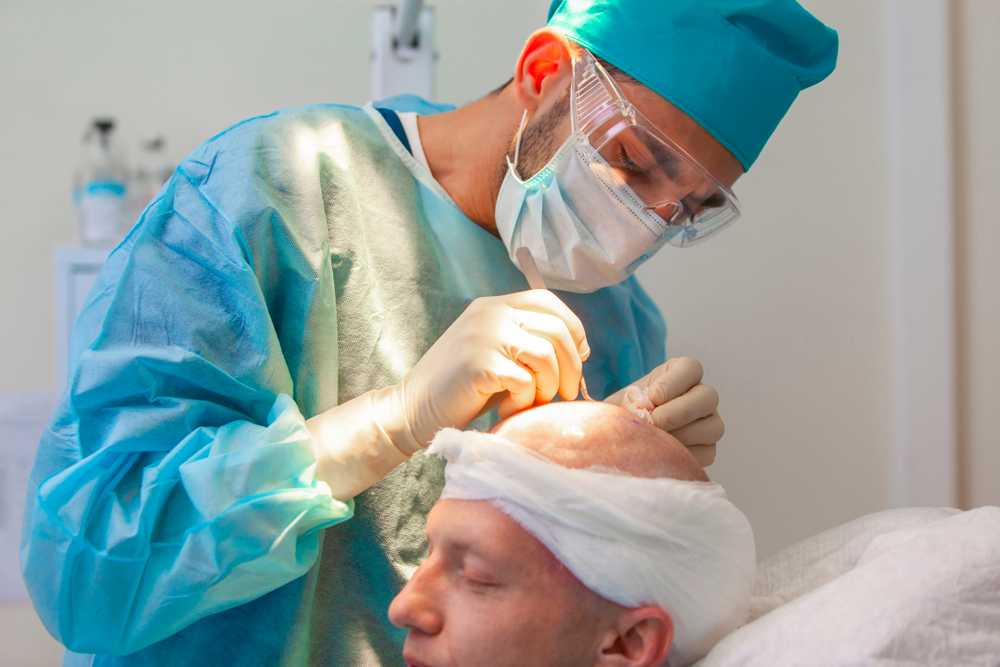
Hair loss is a common concern among men and women, often affecting confidence, appearance, and self-esteem. With advancements in cosmetic medicine, a hair transplant in Islamabad has become one of the most effective and long-lasting solutions for restoring natural hair growth.
This beginner’s guide explains everything you need to know about the procedure, techniques, recovery process, and expected results—helping you make an informed decision before undergoing treatment.
What Is a Hair Transplant?
A hair transplant is a minimally invasive cosmetic procedure that involves moving healthy hair follicles from a donor area (usually the back or sides of the scalp) to areas affected by thinning or baldness.
Once transplanted, these follicles continue to grow naturally, offering a permanent solution to hair loss when performed correctly.
Who Is a Good Candidate for a hair transplant?
Not everyone experiencing hair loss needs a transplant. Ideal candidates typically include:
- Individuals with male or female pattern baldness
- People with stable hair loss conditions
- Those with sufficient donor hair supply
- Individuals in good overall health
- Patients with realistic expectations
A consultation with a qualified specialist is necessary to evaluate suitability.
Popular Hair Transplant Techniques in Islamabad
1. FUE (Follicular Unit Extraction)
FUE is one of the most commonly used methods. Individual hair follicles are extracted and implanted into the thinning areas. It leaves minimal scarring and has a faster recovery time.
2. FUT (Follicular Unit Transplantation)
In FUT, a strip of scalp is removed from the donor area, and follicles are separated and implanted. It is suitable for patients requiring a higher number of grafts.
3. DHI (Direct Hair Implantation)
DHI is an advanced technique where follicles are implanted directly using a specialized tool, allowing greater precision and density.
Step-by-Step Hair Transplant Procedure
1. Consultation & Evaluation
The process begins with scalp analysis, donor area assessment, and discussion of expectations.
2. Hairline Design
A natural-looking hairline is carefully designed based on facial structure.
3. Donor Area Extraction
Healthy follicles are extracted using the selected technique.
4. Graft Preparation
Extracted follicles are prepared and sorted for implantation.
5. Implantation
Grafts are implanted into the target areas with precision for a natural look.
6. Post-Procedure Care
Patients receive instructions for recovery and aftercare.
Recovery Timeline After Hair Transplant
First Few Days
Mild swelling, redness, or discomfort is normal. Patients are advised to follow post-care instructions carefully.
1–2 Weeks
Scabs begin to fall off, and the scalp starts healing.
1–3 Months
Shedding of transplanted hair may occur—this is a normal phase called “shock loss.”
3–6 Months
New hair begins to grow gradually.
9–12 Months
Full results become visible with thicker, natural-looking hair.
Expected Results
A hair transplant provides long-term, natural results when performed correctly. The transplanted hair:
- Grows naturally like normal hair
- Can be washed, cut, and styled
- Is generally permanent
- Blends seamlessly with existing hair
Results depend on technique, surgeon expertise, and aftercare.
Benefits of Hair Transplant in Islamabad
- Permanent hair restoration solution
- Natural appearance
- Improved confidence and self-image
- Safe and minimally invasive procedure
- Customizable treatment options
Aftercare Tips for Better Results
Proper aftercare plays a critical role in success:
- Avoid touching or scratching the scalp
- Follow prescribed medications
- Avoid direct sunlight exposure initially
- Sleep in a recommended position
- Avoid strenuous physical activity for a few days
Risks and Considerations
Although generally safe, minor risks may include:
- Temporary swelling or redness
- Mild discomfort
- Shock loss (temporary shedding)
- Infection (rare with proper care)
Choosing a qualified specialist significantly reduces risks.
FAQs
1. Is hair transplant permanent?
Yes, transplanted hair is usually permanent because it is taken from genetically resistant areas.
2. Does the procedure hurt?
Local anesthesia is used, so the procedure is generally painless.
3. How long does recovery take?
Initial healing takes 1–2 weeks, while full results appear within 9–12 months.
4. Can women undergo hair transplant?
Yes, women experiencing hair thinning or pattern hair loss can also benefit.
5. When can I wash my hair after surgery?
Usually after a few days, depending on the surgeon’s instructions.
Conclusion
A hair transplant in Islamabad is a reliable and effective solution for individuals struggling with hair loss. With modern techniques like FUE, FUT, and DHI, patients can achieve natural and long-lasting results. Understanding the procedure, recovery process, and aftercare ensures better outcomes and improved confidence.

 Bangla