


Why Luxury Furniture Is a Smart Long-Term Investment for Modern Homes
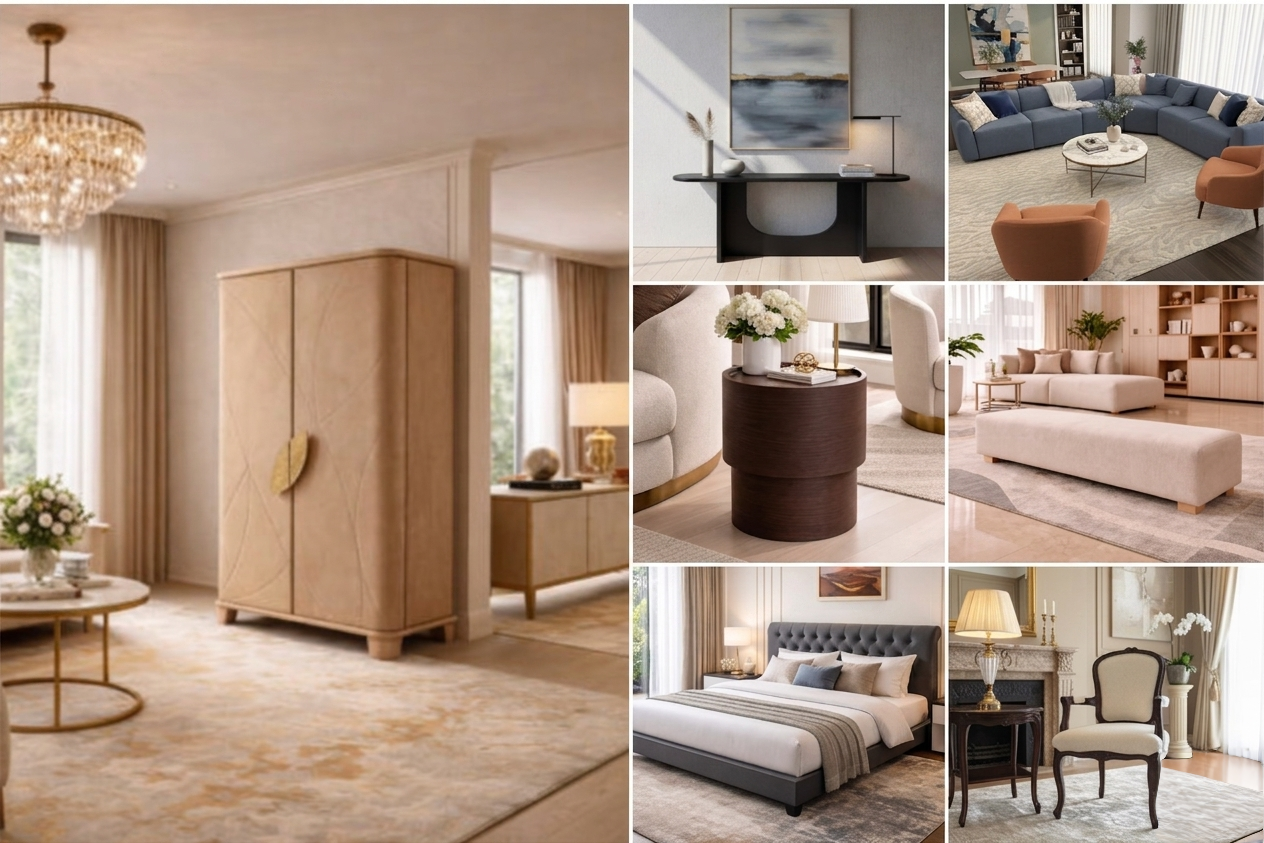
Furnishing a home is rarely a one-time expense -it is a series of decisions that shape how a space feels, functions, and holds up over the years. Among those decisions, the choice between mass-produced pieces and luxury furniture is one of the most consequential. While the upfront price tag of premium pieces often draws the most attention, the real story lies in what happens five, ten, or twenty years down the line. This article examines why thoughtfully chosen luxury furniture remains one of the smartest long-term investments a homeowner can make, and how to distinguish between furniture that ages gracefully and furniture that simply ages.
What Actually Separates Luxury Furniture From Ordinary Furniture
The word “luxury” is used loosely in retail, but in the context of furniture, it has a fairly concrete meaning. Luxury furniture is generally defined by the quality of raw materials, the skill involved in construction, and the attention paid to finishing details. A luxury sofa set, for instance, is typically built on a solid hardwood frame rather than a stapled particleboard shell, while a well-made wooden bed design relies on joinery techniques such as mortise-and-tenon or dovetail joints instead of glue and nails alone.
This is not simply a matter of branding. The construction method directly determines how long a piece of home furniture will perform under daily use -supporting weight, resisting wobble, and withstanding the humidity and temperature swings common in Indian households.
The Hidden Cost of Buying Cheap Furniture Repeatedly
It is tempting to assume that buying budget furniture is always the more economical choice, but that calculation often ignores the replacement cycle. Furniture built from particleboard or low-grade engineered wood tends to show wear quickly: joints loosen, laminate peels, and structural integrity weakens after a few years of regular use. Every replacement involves a fresh outlay, additional transportation, and the inconvenience of refurnishing a room from scratch.
Modern furniture made from solid wood, by contrast, is designed to be repaired rather than replaced. A scratched or dulled wooden table can usually be sanded and refinished to look new again, something that is rarely possible with veneer-wrapped alternatives. Over a long ownership period, this repairability is one of the most underrated financial advantages of investing in quality pieces.
Durability That Outlasts Changing Trends
Design trends move quickly, but the underlying materials of good furniture do not. A well-constructed wooden sofa or a sturdy wooden bench can comfortably outlive several redecorating cycles because its core structure remains relevant even as cushions, colors, or upholstery are refreshed. This is particularly true of furniture made from dense hardwoods, which resist sagging, bending, and warping far better than composite boards.
This durability extends across furniture categories. A dining chair built with reinforced joinery will hold up to years of daily seating far better than a mass-manufactured equivalent, and a desk built from solid timber will resist the wobble and surface damage that often plague office furniture used for long working hours.
Timeless Design Meets Everyday Functionality
One of the most practical advantages of luxury furniture is its ability to remain visually relevant. Because it leans on natural materials, refined proportions, and classic construction techniques rather than fast-fashion styling, it tends to blend into multiple design eras rather than looking dated after a few seasons. A well-proportioned living room lounge chair or a thoughtfully designed wardrobe can sit comfortably in a home redecorated several times over without feeling out of place.
Functionality matters just as much as appearance. Furniture pieces such as wooden table storage units, multi-purpose wardrobe design solutions, and well-built desks are increasingly chosen not just for how they look, but for how efficiently they support daily routines -an important consideration as Indian homes, especially in cities, continue to shrink in size.
Furniture as a Lifestyle and Legacy Investment
Beyond the purely financial argument, there is an emotional dimension to investing in quality furniture. Solid wood pieces tend to develop a richer patina with age rather than simply looking worn, and many families pass down well-made beds, tables, and cabinets across generations. This sentimental value is difficult to quantify, but it is one of the reasons antique and well-maintained wooden furniture often retains, and sometimes increases, its resale value compared with mass-market alternatives that depreciate quickly.
There is also a sustainability angle worth considering. Furniture that lasts for decades rather than a few years naturally reduces the frequency of replacement, which in turn reduces the cumulative material waste associated with frequent furniture turnover -particularly relevant for buyers who are increasingly mindful of the environmental footprint of their homes.
What This Means for Indian Homes Specifically
Climate plays a bigger role in furniture longevity than many buyers realize, and Indian households face conditions that are particularly demanding on cheaper materials. Humidity, seasonal temperature swings, and monsoon moisture can cause low-grade engineered wood to swell, delaminate, or warp far faster than it would in drier climates. Solid hardwoods, especially those traditionally favored in Indian furniture-making, such as teak and sheesham, are naturally more resistant to this kind of moisture stress because they lack the resin-bonded layers found in particleboard and MDF.
This is one reason why a wooden bed design or a wooden sofa built from genuine timber tends to remain structurally sound through several monsoon seasons, while a comparable piece made from pressed board may begin showing signs of swelling or instability within a couple of years. For families furnishing a home they plan to live in for a decade or longer, this climate resilience is not a minor detail -it directly affects how much the household will spend on repairs or replacements over time.
Luxury Furniture Across Different Rooms of the Home
The investment case for luxury furniture becomes clearer when you look at how different pieces perform across a home's daily routines, rather than treating furniture as a single category.
-
Living room: A luxury sofa set or a well-built living room lounge chair anchors the space where families spend the most shared time, and its frame needs to withstand daily seating, reclining, and the occasional jump from children or pets.
-
Bedroom: Luxury beds and supporting furniture such as wardrobes endure nightly weight-bearing use for years, making frame strength and joinery quality especially important.
-
Dining and work areas: A solid wooden table, storage unit, or desk faces repeated contact with hot dishes, laptops, and daily clutter, all of which test surface durability and finish quality.
-
Entryways and gardens: A simple wooden bench is often overlooked, but it is exposed to constant use and sometimes outdoor conditions, making material choice especially important for this category.
Looking at furniture needs room by room makes it easier to prioritize spending. Some homeowners choose to invest in solid wood for high-use, high-visibility pieces like a sofa or bed, while opting for simpler furniture elsewhere—a balanced approach that still captures most of the long-term value.
How to Identify Furniture That Is Genuinely Worth the Investment
Not everything labeled “luxury” delivers on long-term value, so it helps to know what to look for before buying:
-
Wood type: Hardwoods such as teak, sheesham, mango wood, and walnut are widely recognized for their strength and longevity compared with softer woods or composite boards.
-
Joinery: Look for dovetail, mortise-and-tenon, or finger-joint construction rather than furniture held together primarily with glue, nails, or staples.
-
Weight and density: Genuine solid wood furniture is noticeably heavier than veneer or particleboard equivalents of the same size.
-
Finish quality: A smooth, even finish with visible natural grain usually indicates careful craftsmanship rather than a printed wood-effect surface.
-
Source transparency: Brands that can speak clearly about where their wood is sourced and how it is treated are generally more reliable for long-term durability.
Frequently Asked Questions
Is luxury furniture always more expensive to own over time?
Not necessarily. While the initial purchase cost is usually higher, the reduced need for repairs and replacements, along with stronger resale value, often narrows or closes the gap over a long ownership period.
Does solid wood furniture need special maintenance?
It needs only basic care -regular dusting, occasional polishing, and protection from direct, prolonged moisture exposure. This is generally less demanding than the careful handling required to avoid damaging veneer or laminate surfaces.
Can older luxury furniture be restored rather than replaced?
In most cases, yes. Solid wood pieces can typically be sanded, refinished, or re-polished to address scratches, fading, or dullness, which is one of the key reasons they remain cost-effective in the long run.
Conclusion
Choosing luxury furniture is ultimately a decision about value over time rather than just price at the point of sale. From the structural integrity of a wooden bed design to the everyday practicality of a well-built desk or wardrobe, quality home furniture continues to pay dividends in comfort, durability, and aesthetic relevance long after purchase. For homeowners who want their living spaces to feel considered rather than disposable, investing in well-crafted, lasting pieces remains one of the most sensible decisions in modern home design.
If you are exploring options for your own home, it is worth browsing collections built on solid wood craftsmanship and lasting design.
Explore a curated luxury furniture collection at Twigs Direct to see how solid wood craftsmanship can elevate your home.

 Bangla